RAPID CITY, SD — For nearly six decades, baseball has shaped Kelvin Torve’s summers. This year will be different.
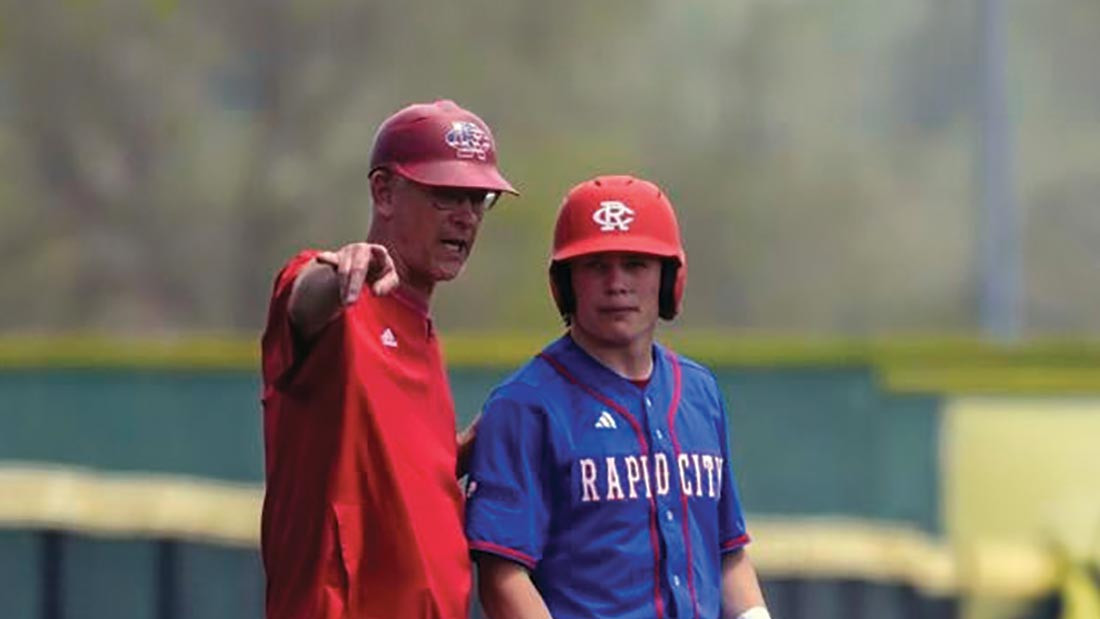
Torve announced he is stepping down as head coach of Rapid City Post 22, closing a chapter that spans 58 years as a player, professional athlete and coach.
“When I stepped down, I was talking to somebody and said this will be the first year in 58 years that baseball’s not dictating my summer,” Torve said. “I’m taking it a day at a time.”
Torve served eight years as Post 22’s head coach and two years as a lower-level coach after returning to Rapid City in 2016. Before that, he and his wife had spent 25 years in North Carolina. Coming home to lead the program was, in his words, “a labor of love.”
“It’s been a blessing,” he said. “We’ve thoroughly enjoyed it.”
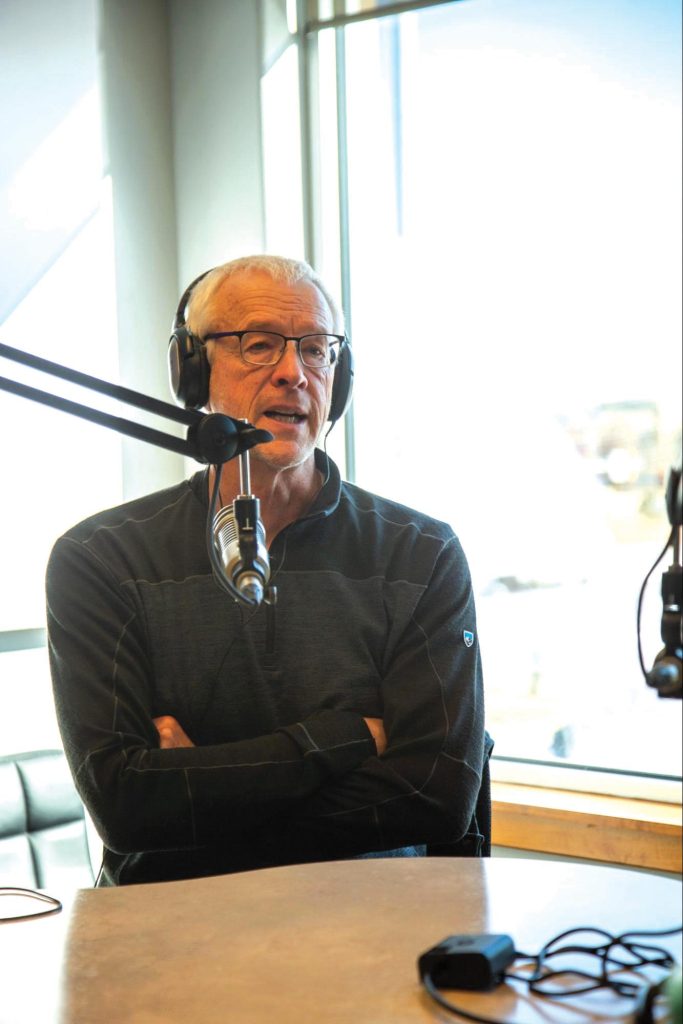
Torve sat down with Amy Rose and Brandon Jones to talk his career.
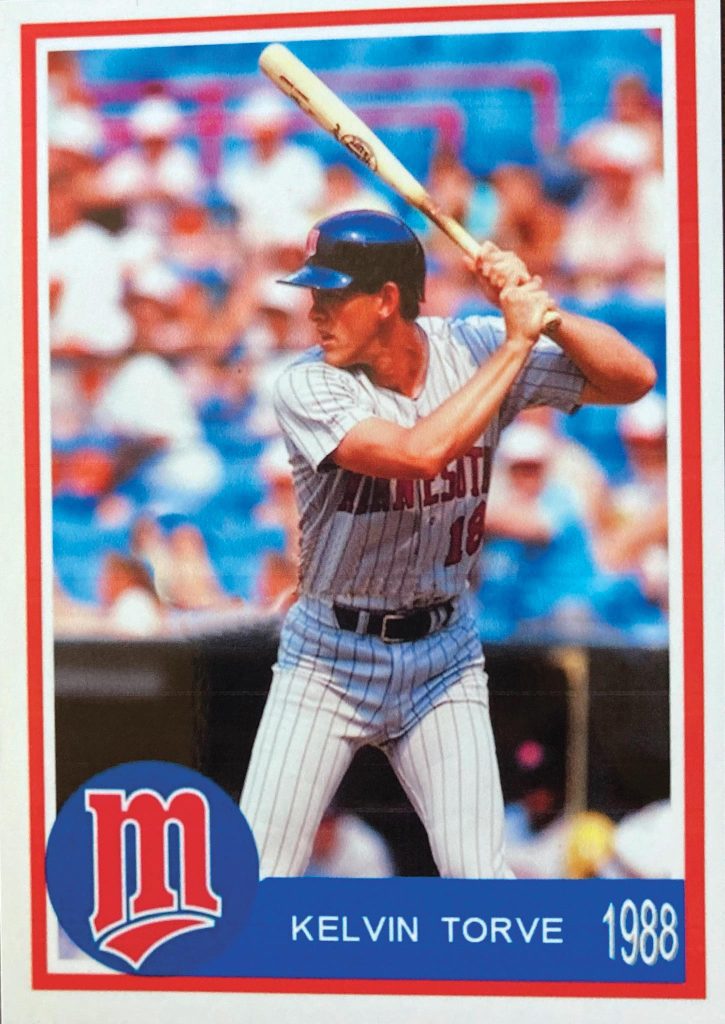
- Kelvin Torve played three seasons in Major League Baseball (1988, 1990–1991) for the Minnesota Twins and New York Mets.
- Drafted in 2nd round of the 1981 MLB June Amateur Draft by the San Francisco Giants.
- MLB Debut on June 25, 1988, for the Minnesota Twins.
- Last Game was July 24, 1991, for the New York Mets.
- Left handed hitter and threw right.
- South Dakota Sports Hall of Fame Inductee.
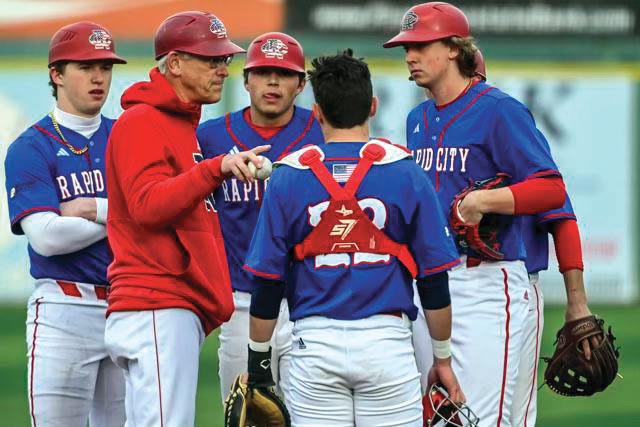
- Torve coached for Post 22 from 2018 to 2025 with 162 wins and 52 losses, a 76% winning percentage.
- 3 State Championships with the Post 22 Hardhats.
Torve’s baseball roots run deep. He played for Post 22 as a teenager before continuing his career at Oral Roberts University. He went on to play 13 years of professional baseball in four organizations – the Giants, Orioles, Mets and Twins and appeared in the big leagues during parts of three seasons with the Mets and Twins.
Among his favorite memories are being called up to the major leagues and playing in the American Legion World Series at 17. As a coach, winning three state championships stands out.
But championships were never his central focus.
“When I first got the job, I told the parents I want to partner with you to help you raise your son,” Torve said. “You put the players first. It’s not about you. It’s not about your ego.”
Post 22 operates largely as a volunteer, parent-driven organization. On game nights at Fitzgerald Stadium, parents run nearly every aspect of operations. Torve embraced that community model and saw his role as more than drawing up lineups.
“These are young men who are going to be future leaders,” he said. “They’re going to be husbands and fathers and leaders in businesses and churches. That’s what you’re trying to shape.”
The commitment required is intense. During the season, the team practices or plays six days a week. Last year alone, Post 22 played 71 games. The responsibility extended well beyond the field, with constant communication and decisions that followed Torve home.
His wife felt that reality.
“She said she kind of loses me from March to late July,” Torve said. “There are texts at odd hours. It won’t be that way this summer.”
Torve believes baseball teaches life lessons that few other sports can match. He often points to hitting as an example.
“If you fail 70 percent of the time between now and the end of your career, you’ll end up in the Hall of Fame,” he said. “It’s rife with failure. You have to learn to process it and move on.”
For Torve, that mindset, confronting failure, reflecting, adjusting and returning, mirrors life itself.
Now, instead of pacing the dugout, he plans to attend games as a spectator. He joked that he will now be able to second-guess the coach rather than being second-guessed himself.
His children are building careers of their own. His daughter works in Colorado, and his son is a college professor whose wife is pursuing a NICU fellowship. There are no grandchildren yet, though Torve admits he would gladly coach little league someday if that opportunity arose.
For now, the longtime coach is embracing the uncertainty that comes with stepping away from something that defined most of his life.
“It’s a little bit surreal,” he said. “I am taking it one day at a time.”
For decades, Kelvin Torve gave his summers, his time and his heart to the game and to the young men who played it. Rapid City is better because of his leadership, and many families are thankful for the role he played in helping shape their sons into the men they are becoming. His impact reaches far beyond wins and championships and will continue to be felt long after he steps out of the dugout.