
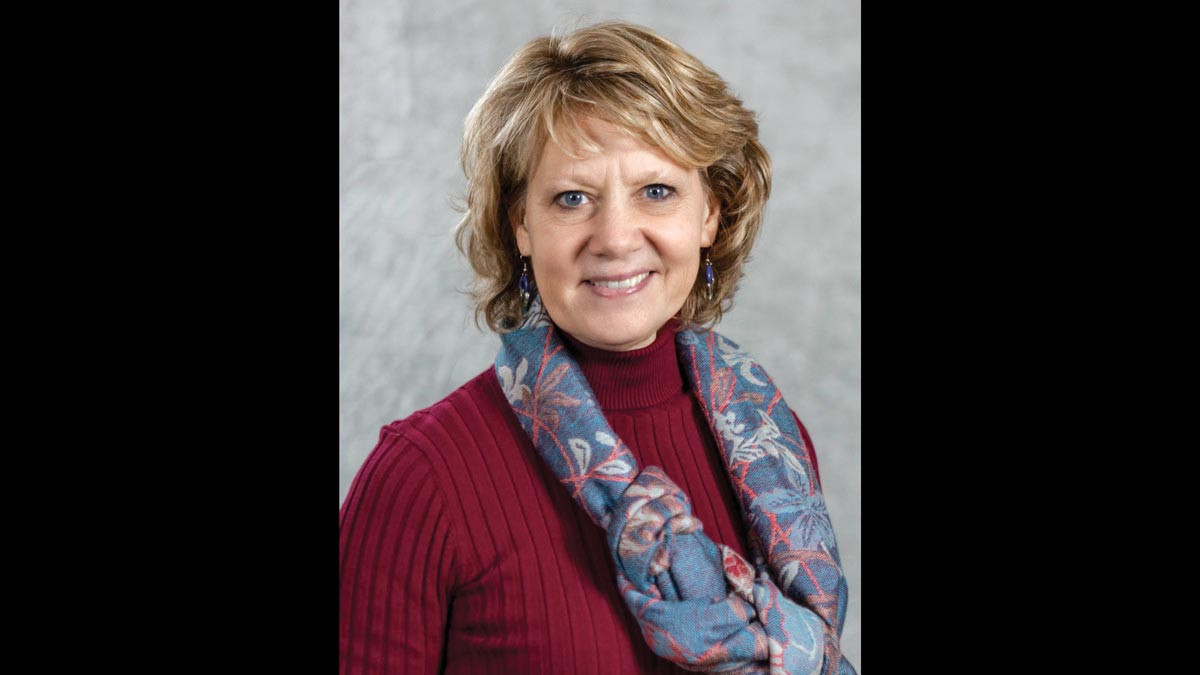
A Q/A with Keiz Larson, CEO of the YMCA of the Black Hills.
What is your organization and what does it do?
The YMCA of the Black Hills strengthens communities across western South Dakota with branches located in Rapid City, Box Elder, Custer and Edgemont. Each year the Y serves more than 20,700 individuals through programs in Youth Development (Childcare/Early Learning, Afterschool, Sports and Summer Camp), Healthy Living (to promote physical and mental wellness, reduce the risk of chronic disease and reclaim their health) and Social Responsibility (food security, water safety, child abuse prevention and family/senior community building). When I look at the numbers, what I really see are thousands of families, who rely on the YMCA as a safe place to grow, connect and belong. Part of our commitment is that everyone should have access to these important programs, and the Y ensures no one is turned away. In 2025, over $763,000 was utilized for financial support and scholarships to individuals and families with 22% of our childcare families qualifying for income-based support. As a non-profit, our reach goes far beyond a gym – we are strengthening families, supporting children in early learning and afterschool, promoting lifelong wellness and creating safe spaces for connection…regardless of your age. Our mission is about impact, not access based on ability to pay. I have included our 2025 Impact Report that includes specific metrics that illustrate our community reach.
How did you get where you are now in life?
I grew up in Rapid City, and that sense of place has shaped nearly every decision I’ve made. From an early age, I saw how education can transform lives—not just academically, but socially and economically—and that belief has never left me. I would describe my career as a continual cycle of growth, intentionally building skills that allow me to better serve others and contribute to my community. I truly love the Black Hills and want to share that love with others.
My professional path has been intentionally diverse. I began in accounting for a construction company, (because what does someone with a psychology degree and math minor do?) where I learned fiscal responsibility and the importance of sustainability in any organization. I later served as a community advocate with the Rapid City Chamber of Commerce, gaining a deeper understanding of how collaboration and partnerships strengthen communities. Roles as a bookstore manager and high school math teacher reinforced the value of leadership, problem-solving and lifelong learning.
Education remained central to my journey as I moved into district-level leadership, serving as a curriculum director and as a middle school principal. Those roles deepened my commitment to equity, student success and staff development. Eventually, that path led me to the YMCA, first as Development Director, then as Chief of Operations during the unprecedented challenges of COVID, and ultimately to my current role as CEO.
Each step built on the last, preparing me to lead an organization whose mission aligns so closely with my own values—using education, access and opportunity to strengthen lives and build a healthier, more connected Black Hills community.
How do you feel the world has changed over the time you’ve been at the YMCA?
In many ways, the world feels more connected than ever due to social media and electronic immediate responses, but at the same time it’s become much more “ME-centered,” and that honestly worries me. There’s a growing tendency to focus on individual needs and outcomes without always looking at how our actions affect the people around us. I’ve always believed that caring for others—especially those who are struggling or just need a hand up, not a handout—is one of the most important responsibilities we have as a community.
During my time at the YMCA, I’ve seen firsthand how vital nonprofits are to the stability and health of our community. When families are under stress, when kids need support, when seniors need connection, nonprofits are often the first place people turn. At the same time, I’ve seen support for nonprofits decline, whether that’s through decreased investment from city government or reduced financial giving overall. That trend is concerning, because communities don’t stay strong without organizations that intentionally care for everyone, not just those who are already doing well.
I’ve always had this idea for a YMCA initiative called “Be a Good Human.” It sounds simple, but it’s powerful. It’s about remembering that it truly takes a village—looking out for one another, showing empathy, and stepping up when someone else needs support. That mindset is at the heart of what the YMCA stands for. If we can keep leading with compassion and collective responsibility, I believe we can help shift the focus back toward community and connection, which now feels more important than ever.
What’s the internal culture like at the YMCA, and how do you feel it compares with similar organizations?
Working in the nonprofit world will never make you rich in the traditional sense, and that’s something everyone here understands and accepts. What it does offer, though, is purpose—and I believe that’s what defines our culture at the YMCA. We’re incredibly fortunate to have staff and volunteers who truly believe in our mission and show up every day because they want to make a difference.
That belief in service is visible at every level of our organization. From Pam at the front desk who welcomes every person who walks through our doors by name, to our childcare teachers and afterschool site coordinators who spend long days supporting kids and families, to Nicole leading group exercise classes and Hope teaching swim lessons—these are people who pour their time, energy, and heart into helping others. They work hard, often beyond what’s required, because they know the impact they’re having on real lives.
Like many organizations in today’s challenging hiring climate, we also step up and pitch in wherever we see gaps. Titles matter less here than teamwork. If someone needs support, we help. That sense of shared responsibility sets us apart. You have to want to be in the nonprofit mindset to thrive here—it’s not about individual gain, but about serving something bigger than yourself.
Compared to similar organizations, I think what makes the YMCA special is the joy that comes from that shared purpose. While the work can be demanding, the returns are enormous—in connection, fulfillment, and knowing that together we’re strengthening the community we all call home. I love our YMCA team like family…I’m so lucky.
How does your YMCA interact with the local communities it serves?
One of my favorite things our former CEO, Roger Gallimore, used to say was, “Partnerships are in our DNA,” and that truly defines how the YMCA of the Black Hills operates. We know that no single organization can meet every need on its own, so our work is deeply rooted in collaboration with the communities we serve.
We partner with four Black Hills school districts to support kids after the school day, creating safe, consistent spaces where they can learn, grow and build confidence. Food security is another critical area where collaboration matters, and we work closely with Meals on Wheels, Feeding South Dakota, and the Food Security Collective Impact to ensure families and seniors have reliable access to nutritious food.
Our partnerships also extend to organizations focused on healing, stability and long-term success for families. We collaborate with OneHeart, Early Childhood Connections, Catholic Social Services, Uplifting Parents, and Workforce Connections so families have wraparound support and children have safe places to thrive. These relationships allow us to address challenges holistically, rather than in isolation.
The YMCA also works alongside local governments, including supporting the City recreational arm and operating summer pool programs in Custer and Edgemont, ensuring recreation and connection remain accessible in smaller communities. We’re proud to support Ellsworth Air Force Base personnel and their families by providing spaces for health, wellness and connection, recognizing the unique needs of military families.
Summer camps are another vital way we serve the broader community. When school is out, parents still need to work, and we see our camps as essential infrastructure—providing safe, engaging environments that support both kids and working families.
At the end of the day, our role is to be a reliable partner—to schools, nonprofits, municipalities, and families—showing up where the community needs us most. Our YMCA operations look a little different in each center as the Y adapts to the needs of each individual community. That’s how we live out our mission, and that’s how the YMCA remains a trusted anchor across the Black Hills.
What impact are you looking to leave on the world?
The impact I hope to leave is rooted in people—especially in helping individuals realize their potential and their value. I truly believe we need to be far more intentional about growing leaders by strengthening problem-solving skills. The world is complex, and future leaders won’t have easy answers handed to them. Teaching people how to think critically, collaborate, and navigate challenges thoughtfully is one of the most meaningful contributions we can make.
I’m also deeply passionate about ensuring children ages zero to five get a strong start in life. Those early years matter immensely. When children are supported early and are ready to learn when they enter school, it changes the trajectory of their lives and strengthens entire communities. Investing early isn’t just the right thing to do—it’s one of the smartest long-term commitments we can make as a society.
Beyond education, I believe people need to feel like they belong—to feel seen, valued and connected to something larger than themselves. Community isn’t optional; it’s essential to our well-being. When people know they matter and that their presence makes a difference, they are more likely to thrive and to give back.
At the heart of all of this is respect. Every person has gifts and talents, and when those are recognized and nurtured, our world becomes a better, stronger place. If I can help create environments where people are respected, included and empowered to grow, I believe that impact will ripple far beyond any single organization or role.
What plans do you have for the future of the YMCA?
I believe the future of nonprofit work is going to become increasingly challenging. The issues facing our communities—childcare access, food insecurity, mental and physical health, social isolation—are complex and deeply interconnected. No single organization can solve these challenges alone, and pretending otherwise only limits our impact.
Moving forward, success will depend on how well we work together. We will need to intentionally share data and resources, align our strategies, and engage in true joint problem-solving. Collaboration can’t just be a talking point—it has to become the way we operate if we want to continue supporting our communities in meaningful ways.
My hope is that community leaders increasingly recognize nonprofits as the backbone that helps keep communities stable and thriving. That recognition needs to be matched with action—coming together to identify sustainable funding sources and long-term support structures that allow organizations to focus on mission rather than survival. The YMCA wants to be part of that leadership conversation, helping to bring partners to the table and move solutions forward.
Whether it’s providing access to quality childcare, supporting food security efforts, promoting healthy living, or simply offering a place where people feel they belong, the YMCA must continue to be a champion for community well-being. The future won’t be easy, but I believe that by working collectively and staying grounded in our mission, the YMCA can remain a trusted, stabilizing force for the Black Hills for generations to come.


