RAPID CITY, S.D. — A company name that once represented hospitality and nurturing suddenly became a liability when a terrorist organization began dominating international headlines.
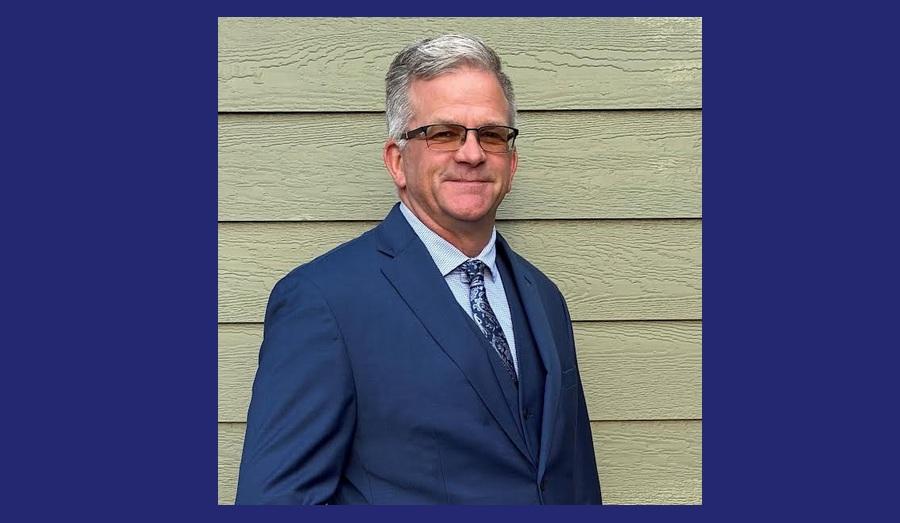
On the latest episode of the Rapid City Business Journal podcast, LIV Hospitality CEO Caleb Arceneaux joined Murdoc to look back at the Rapid City-based company’s transition from ISIS Hospitality to LIV Hospitality and the lessons that came from an unexpected, companywide rebrand.
ISIS Hospitality began using the name in 2006, with its original inspiration coming from the Egyptian goddess Isis. By 2014, however, the rise of the terrorist organization using the same acronym had created an unavoidable problem.
“Our name could never ever mean the same,” Arceneaux said.
The company initially resisted changing a brand it had spent years building, but Arceneaux said it soon became clear the situation was not temporary. LIV began removing the old name from guest-facing materials before undertaking the larger rebranding effort.
That meant replacing everything from business cards and hotel key packets to marketing materials, vehicle wraps, websites and promotional items. Arceneaux said the transition took the better part of a year, with old branded pens still occasionally turning up more than a decade later.
The new name came from an unexpected source. Arceneaux said company leaders were visiting the Scottsdale, Arizona, area when they saw an apartment development using “Liv.” They liked the energy and possibilities surrounding the name and eventually settled on LIV Hospitality.
Even that transition required another adjustment after the company learned the apartment group had protections surrounding some of its branding, prompting LIV to develop its own look.
Arceneaux said he would approach a similar project differently today, including putting one person in charge of managing the transition. Still, he credited LIV’s internal marketing team and employees with carrying the company through the difficult process.
“It was painful, it was expensive,” Arceneaux said. “But I think today as a company we’re better for it.”