

Every year, Mother’s Day shows up on my calendar, and like most people, I think about flowers, cards, and making sure I don’t forget to call. This year felt different. I wanted to know where it actually came from. Not the surface level answer, but the reason behind it. So I started digging, and I ended up going down a rabbit hole I didn’t expect.
I found myself back in the years after the Civil War, when a woman named Ann Reeves Jarvis was trying to hold communities together. She organized what were called Mothers’ Day Work Clubs. They were not about celebration. They were about survival. These groups taught women how to care for their children, reduce disease, and improve sanitation in a time when losing a child was far too common. During the war, those same groups cared for wounded soldiers on both sides. After the war, she brought mothers together for something called “Mothers’ Friendship Day,” asking them to set aside differences and heal communities that had been torn apart.
Then I came across Julia Ward Howe. In 1870, she wrote what became known as the Mother’s Day Proclamation. It was a call for peace. She asked mothers to rise up and refuse to let their sons be trained for war. She believed that the people who gave life should have a voice in protecting it. It did not become a national holiday, but the message was clear. Motherhood was tied to something bigger than the home. It was tied to protecting the future.
Still, the Mother’s Day we recognize today came later, through the work of Anna Jarvis, the daughter of Ann Reeves Jarvis. After her mother died in 1905, Anna wanted to honor her in a personal way. She held the first official Mother’s Day service in 1908 in Grafton, West Virginia. She handed out white carnations, her mother’s favorite flower, as a symbol of a mother’s love. Anna spent years pushing for a national holiday, writing letters and organizing campaigns so people would take time to honor their own mothers sincerely. In 1914, President Woodrow Wilson signed a proclamation making Mother’s Day a national holiday.
And then something unexpected happened. It became commercial. Florists, card companies, and retailers took hold of it, and Anna Jarvis hated that. She believed it had lost its meaning. She wanted people to write letters, not buy them. She wanted gratitude, not obligation.
Sitting with all of that, I could not help but think about what mothers are still doing today. The tools have changed, but the work has not. Mothers are still staying up through the night when a child has a fever, checking their breathing, counting the hours between doses of medicine. They are still packing lunches, making sure there is something in that bag that their child will actually eat. They are still driving miles for practices, appointments, and school events, often running on very little sleep. They are watching over homework, worrying about friendships, and quietly carrying fears about the world their children are growing up in.
They are also protecting in ways we do not always see. They are teaching their children how to make good choices, how to stay safe, how to be kind, how to stand up for themselves. They are the ones who notice when something is off, when a child is too quiet or hurting in a way they cannot explain. They step in before things fall apart. They hold things together more often than anyone realizes.
It made me think about how much of that goes unnoticed. How many times a mother puts herself last without saying a word. How many small decisions she makes every single day that shape the life of her child in ways that will never be measured.
Mother’s Day was never meant to be about a perfect gift. It started with women trying to keep their children alive and communities from breaking. It grew through voices calling for peace. And it became a national moment because one daughter loved her mother enough to make sure she was never forgotten.
When I sit with that now, it feels heavier in the best way. It makes me think about the moments I rushed through or did not fully see at the time. The rides, the meals, the worry, the constant presence that felt so normal I almost missed it.
There will come a time, for all of us, when we wish we could go back and say more. Not just thank you, but I see it now. I see what you carried. I see what you gave up. I see how you kept me safe when I did not even know I needed it.
That is what this day is supposed to be. Not something we check off a list, but something we feel in a quiet and honest way. Because behind every life that continues forward, there is a mother who, in a thousand small ways, made sure it could.
And some of them are still waiting to hear that we noticed.
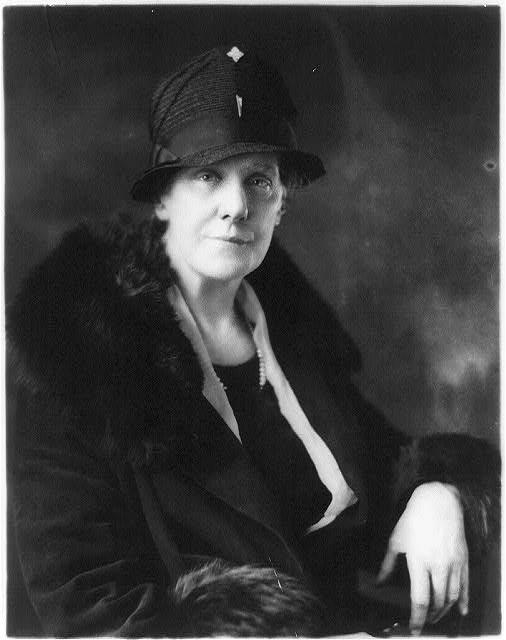
Credit: National Archives
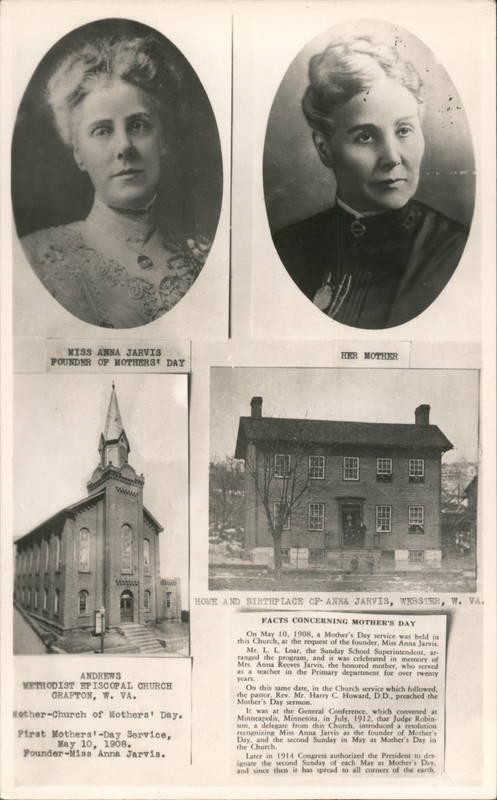
Credit: Public domain


