
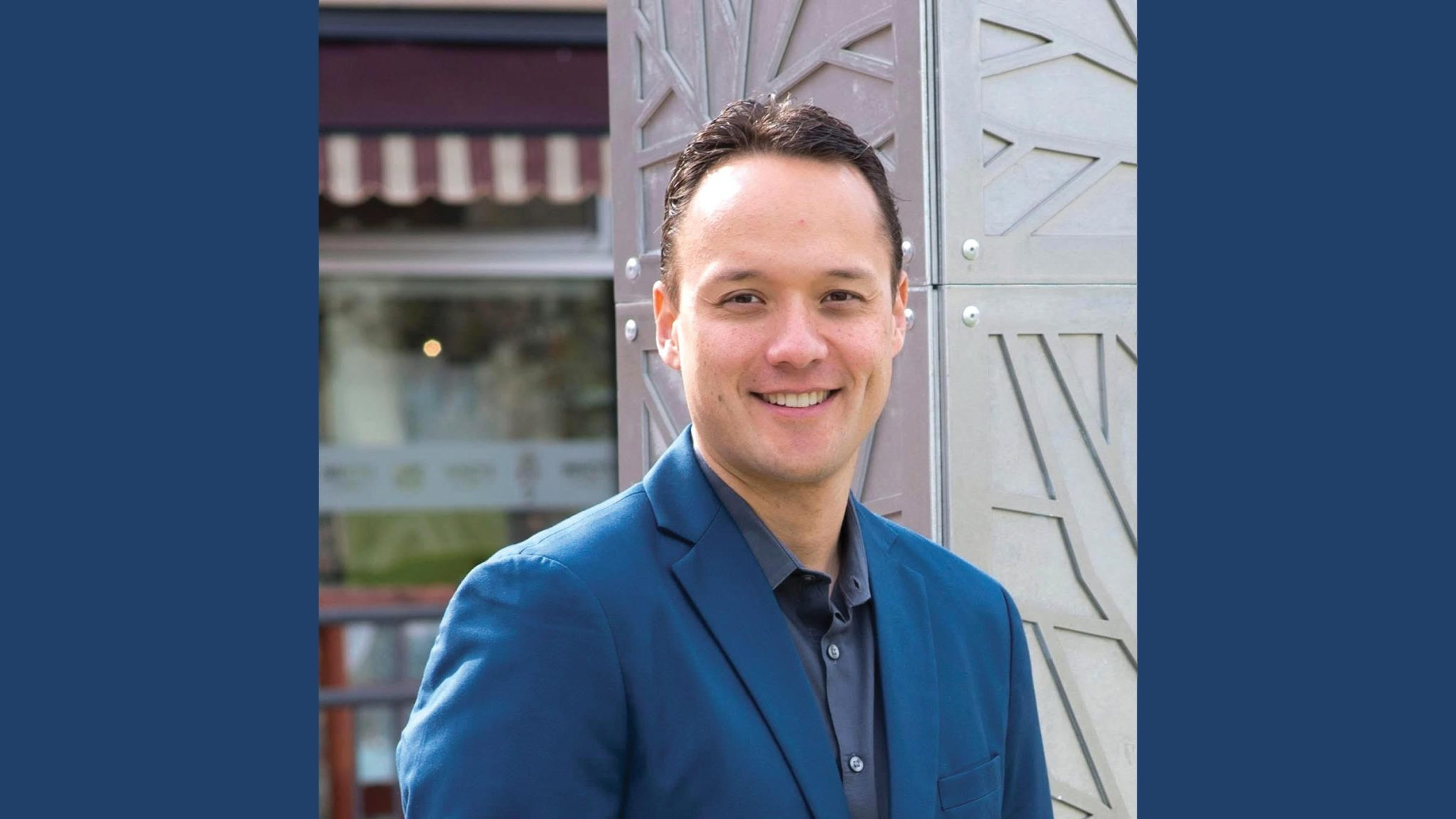
You are arguably the most active member of the council on social media. What is your primary goal with this high level of engagement? Is it education, accountability, or something else?
My primary goal is public engagement. For people to be involved in local government, they first have to know what is going on. City government touches people’s daily lives in very practical ways, but the process can feel distant or hard to follow. I think it is a reasonable expectation that elected officials make an effort to explain what is happening.
Different elected officials communicate in different ways, and that is fine. For me, I do not know how to communicate with people at any meaningful scale without using social media. It allows me to share information quickly, explain my thinking, hear from residents, and hopefully make local government feel a little more accessible.
Posting frequently often invites immediate feedback. How do you decide what to engage with, and has a social media interaction ever actually changed your vote in city council?
A lot of the time, I engage because of genuine curiosity. There are many thoughtful people in Rapid City who take the time to study issues and offer useful perspectives. I try to listen, ask questions, and learn from people who may know something I do not.
Yes, public feedback has absolutely changed the way I view issues. I still have to weigh public input, staff information, legal considerations, long term consequences, and my own judgment. But public engagement matters.
Liberty Land is one example where it became very clear that many people were strongly opposed, and many had done substantial homework to understand the issue. That kind of engagement must be respected.
I have also made unforced errors on social media. It is easy to overreact, misread tone, or respond too quickly. I have had to grow in that area. Social media requires humility and restraint.
What’s one race you think the people of Rapid City should be paying attention to?
There are several important races, and I do not think it is my role to tell people how to vote or to elevate one race over another. What I would say is that local elections matter a great deal. City Council decisions affect public safety, infrastructure, housing, development, public health, and how the city works day to day.
In contested races, I think residents should take the time to ask candidates direct questions. At the legislative level, I also think it is important for voters to understand where candidates stand on social services, Medicaid, public safety, housing, and other issues that directly affect vulnerable people in our community.
The main thing is this: do not just rely on slogans. Ask real questions and expect real answers.
How has your background in healthcare influenced your approach to policy, specifically regarding public health?
My background influences how I see almost everything. I am a physician, board certified in family medicine and addiction medicine, and I have practiced at Monument Health for around 12 years. That experience shapes how I think about homelessness, addiction, behavioral health, public safety, emergency services, and the way people move through complicated systems.
Healthcare teaches you that most serious problems are not solved by one heroic effort. They are solved by building systems that work consistently over time. That is how I try to think about policy. Good intentions are not enough. We need structures, workflows, partnerships, and accountability that can outlast any one person.
Public health is often where city issues and healthcare issues overlap. Housing, addiction, public safety, sanitation, transportation, and access to services all affect health. My healthcare background helps me see those connections, but it also reminds me how complicated they are.
As a newer voice on the council, how do you balance bringing a fresh perspective with the need to build consensus among long standing members who may have different institutional views?
I honestly do not think about it in those terms very often. I try to be honest, prepared, and authentic, and then let the chips fall where they fall.
That said, consensus matters. You cannot get much done on a council by yourself. I try to listen to people who have been there longer, because institutional memory has value. At the same time, being newer can be helpful because you are less likely to assume that things have to be done a certain way simply because that is how they have always been done.
The balance is being respectful without being passive, and being willing to challenge assumptions without making everything personal.
You’re going to have some new council members. What is one piece of advice you’d give the upcoming members?
At some point, you will feel overwhelmed. That is normal. When that happens, take a breath, regain perspective, acknowledge the emotion, and then reengage thoughtfully.
Stay honest. Stay authentic. Do your homework. Ask questions. Be willing to say when you do not know something. You will be criticized, sometimes fairly and sometimes unfairly. You will be misunderstood. Be ready for that and do not let it make you cynical.


