
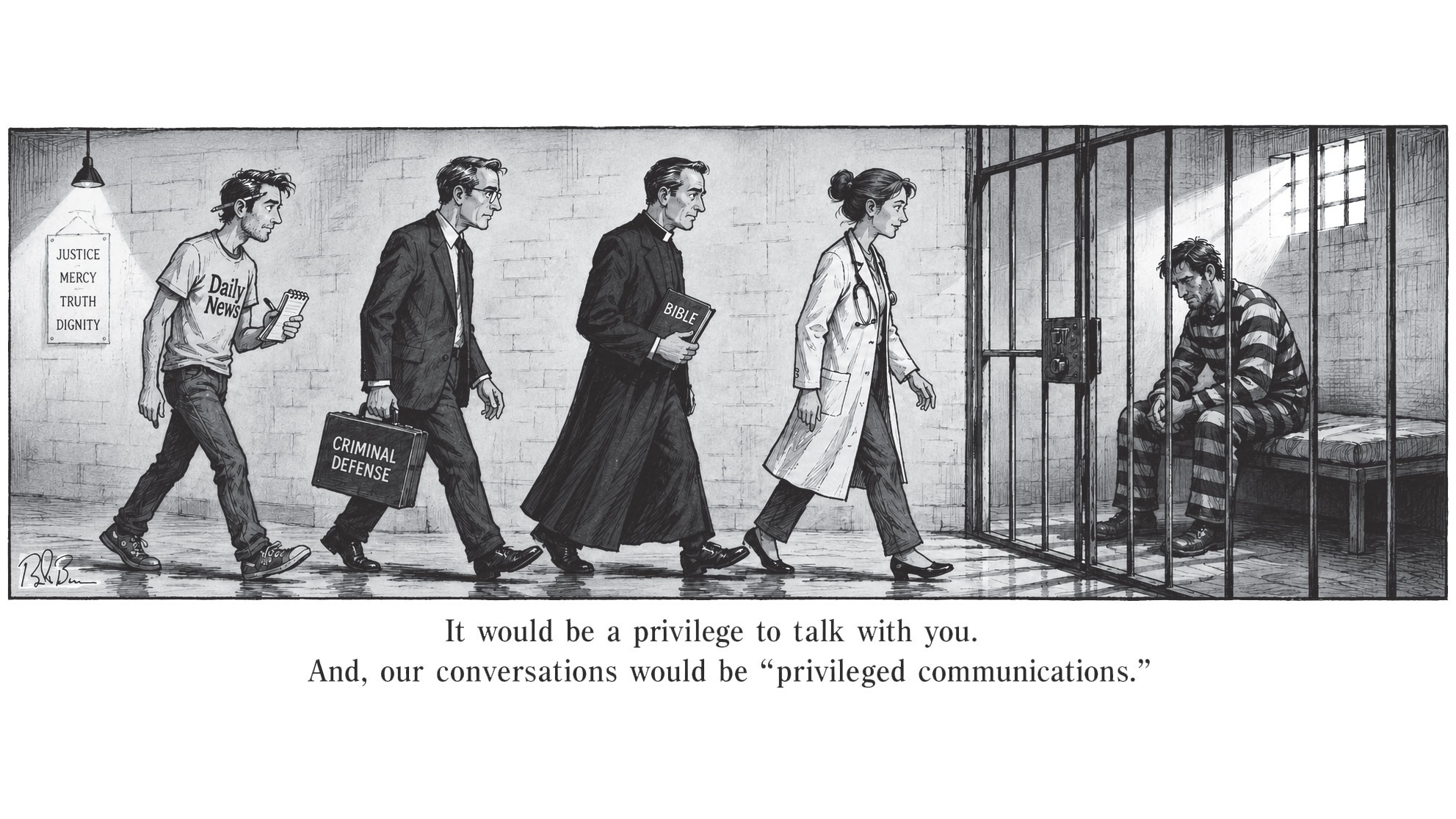
The law recognizes that certain communications are “privileged,” meaning that they enjoy some degree of protection from compelled disclosure. Common privileges exist in attorney-client and physician-patient relationships, but South Dakota law also recognizes privileges for religious communication with a clergyman, certain communications with school counselors, and communications between spouses. Generally, the law restricts or even forbids the compelled disclosure of such communications in judicial proceedings. But these protections are not absolute.
Waivers and Exceptions
The privilege may be waived – but only by its holder. The client is the holder of the attorney-client privilege. The patient is the holder of the physician-patient privilege. For example, a client can waive the attorney-client privilege by voluntarily disclosing to a third party what their attorney said in a private meeting. A patient can waive the doctor-patient privilege by signing a release of information, allowing the provider to speak to a specified third party about their health condition.
The law also identified exceptions to these privileges, recognizing that some communications are not entitled to protection. For example, mandatory reporter laws impose duties upon physicians and psychotherapists to report instances of child abuse, even when the report is based upon privileged information. Similarly, an attorney is permitted (but not required) to break the privilege if he believes his client is likely to commit a crime that which will result in imminent death or substantial bodily harm.
Journalist’s Privilege for Confidential Sources
South Dakota adopted a new and modern “Shield Law” for Journalists in 2019, providing robust protection to journalists and their confidential sources. Prior to 2019, South Dakota “repeatedly ranked low in transparency rankings, with the Center for Public Integrity giving the state a failing grade in 2015 and again in 2017.” (quotes from Courthouse News article below). The Shield Law was enacted as part of Governor Kristi Noem’s State of the State address for that year and was supported by a coalition of media from the South Dakota Newspaper Association (SDNA) and the South Dakota Broadcasters Association. This push followed several high-profile cases involving federal whistleblowers who were sentenced to jail and prison. It has been reported that this agenda item for Governor Noem and the Republican-led Legislature was anomalous, and “a stark contrast to President Donald Trump, whose hostility toward journalists is well documented.” Matthew Renda, South Dakota Senate Passes Reporter Shield Law, Courthouse News ( https://www.courthousenews.com/south-dakota-senate-passes-reporter-shield-law/ ).
Legislative testimony in support of the Shield Law cited a 2006 incident involving The Collegian, South Dakota State University’s student newspaper. Two student reporters photographed a student riot that occurred during a power outage in Brookings, with some of the photographs published in the student newspaper. A student charged with criminal offenses issued a subpoena to the newspaper, seeking production of all unpublished photos from the incident. The lack of a shield law thwarted the newspaper’s effort to resist the subpoena.
Related Issues
A thorough review of the legal issues relating to privileged communications is not possible in this column. Such a discussion would consume several class periods in a law school setting. Following are some additional issues which frequently arise: Who can assert the privilege? May a criminal defendant assert a privilege as to tendered testimony to be given by a spouse or may the testifying spouse waive the privilege? Is a licensed professional subject to disciplinary action by the licensing authority, or even criminal prosecution, if he or she breaches a privilege? Does a privilege extend beyond the death of a patient or client?
Authorities: SDCL Chap. 19-13; SDCL 15-6-26(b)(3); Rule 1.6(b)(1), South Dakota Rules of Professional Conduct, appendix to SDCL 16-18; U.S. Constitution, Amend. V.; Matthew Renda, South Dakota Senate Passes Reporter Shield Law, Courthouse News ( https://www.courthousenews.com/south-dakota-senate-passes-reporter-shield-law/ ).
Note: In regard to the preparation of this week’s column, the author would like to thank attorney Sarah Baron for her assistance and input.
Anyone desiring to communicate with the Author, may do so by sending an e-mail to the author at rogermbaron@gmail.com .
The views and opinions of this article may not reflect the views of The Rapid City Post, its affiliates, or advertisers.


