

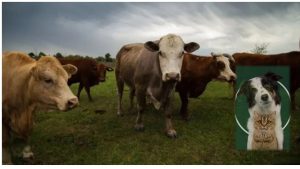
FDA issues emergency use authorization for OTC drugs for domestic pets
WASHINGTON, S.D. – Screwworm cases are rising in the U.S. as the outbreak spreads beyond the initial contamination zones.
Twelve animal cases have been confirmed so far, a significant increase from the first case detected in a calf in south Texas on June 3, 2026. The growing number of infections has alarmed agricultural experts, who warn that a wider outbreak could have serious consequences for the beef industry.
Of the 12 reported cases, 11 remain active and one is inactive, according to an update issued last Thursday by the US Department of Agriculture’s animal and plant health inspection service. The most recent case was reported on June 12, 2026 in Sutton County in west Texas, where a sheep was discovered with the infection. Other cases have been identified in the Texas counties of Edwards, Tom Green, Gillespie, La Salle and Zavala, as well as in Lea County, New Mexico.
The infected animals include cattle, goats, sheep and one dog.
The screwworm is a fly larva that burrows into open wounds on livestock and other warm-blooded animals, feeding on living tissue. For nearly six decades, the parasite was rarely seen in the US after being largely eradicated in the 1966.
USDA officials are urging animal owners to watch for signs of screwworm infection, including draining or enlarging wounds, maggots or egg masses, unusual discomfort, and lesions around the nose, ears, genitals or umbilical area. Suspected cases should be reported immediately to help contain the spread of the parasite, the USDA said.
Despite the outbreak still being restricted to Texas and New Mexico, Pennsylvania’s agriculture department has issued a precautionary quarantine order. The order imposes stricter controls on the import of susceptible livestock from affected areas, requiring veterinary inspections and health documentation.
Florida, Georgia, Tennessee, West Virginia, Montana, South Dakota and North Dakota have also adopted stricter entry requirements and quarantine orders.
Canada has implemented a temporary ban on livestock and horses originating from, or present in, Texas within 21 days of crossing the border. Mexico has halted most live animal imports from the U.S. (including cattle, pigs, and sheep) to protect its northern livestock herds.
Meanwhile, the U.S. Food and Drug Administration has issued an Emergency Use Authorization (EUA) for generic Nitenpyram Tablets (nitenpyram) for the treatment of New World screwworm (NWS) infestations (myiasis) in dogs, puppies, cats, and kittens that weigh at least two pounds and are at least four weeks old. This is the first generic animal drug authorized for use against NWS


