
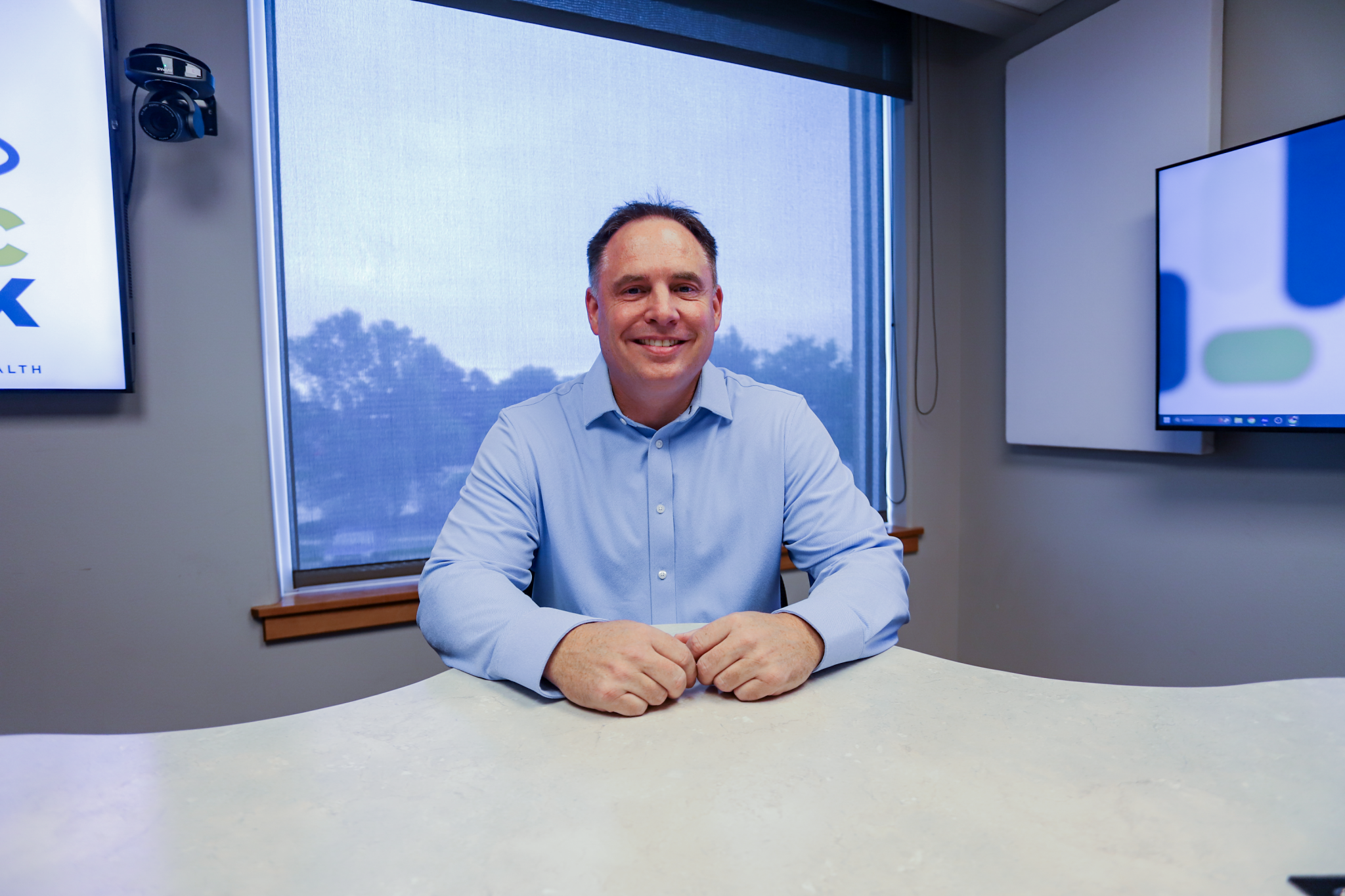
A few months back, I toured two emergency rooms with Dr. Brook Eide, an ER physician who’s worked in Rapid City for eighteen years. We walked the main department downtown at Rapid City Hospital, then the brand new ER out on East Mall Drive while the plastic was still on the machines. Quick version: two facilities, one system, same physicians and same care, with the downtown location handling the big traumas and the new east side spot taking everything else.
After those episodes aired, my inbox filled up with questions. So I brought Dr. Eide back to answer them.
Will It Be Open Around the Clock?
Katie asked this, and plenty of people probably wondered the same thing.
Yes. “We will have a board-certified emergency physician there to meet you on Christmas Eve at eleven o’clock at night,” Dr. Eide said. Twenty-four-seven, three hundred sixty-five. That’s what separates a real emergency department from urgent care.
What Level Trauma Center Is It?
Allison wanted to know, since the main ER is a level two.
The new facility won’t carry a level one, two, or three trauma designation. It’s staffed by an emergency physician, and if a serious trauma comes through the door, the team moves fast to get that patient to the main trauma center downtown. “We’re set up to have that plug-and-play and be there in minutes,” Dr. Eide said. Ambulances with serious traumas head straight to the main hospital, where the trauma surgeons and specialized resources live.
What About Kids?
Paulina asked whether there’d be a pediatric specialist on site.
Every physician on staff is board-certified in pediatric emergencies as well as adult ones. So a worried parent can walk in and know their child gets assessed properly. “We’ll still do that initial figuring out what’s going on,” Dr. Eide said. If a little one needs a pediatric specialist, the team gets them to the main hospital.
Will It Be Faster?
Mary wrote in hoping it’d be quicker to get in and out.
South Dakota already runs near the top of the country for ER speed, behind only North Dakota in recent data. South Dakota averages around 113 minutes, the second-fastest in the nation. Dr. Eide knows that doesn’t always feel fast enough. “When you have an emergency, nothing’s fast enough,” he said. The goal at the new place is direct bedding, bringing you straight back to a room when you arrive and starting care right away.
What If I Need Surgery?
Cass asked whether emergency surgery would happen at the new building.
No surgeries or advanced testing there. “If you need surgery, if you need to go to some other ancillary service, then those will all be at the main hospital still,” Dr. Eide said. The team coordinates the move and gets you where you need to be.
Where Do I Wait If I’m Admitted?
Sue and Judy sent in similar questions about this one.
If you need to be admitted, you’ll wait at the freestanding ER for a short stretch while a room gets cleaned and readied at the main hospital. Then you go by ambulance straight to that room.
Will I Get Charged for the Ambulance Ride Over?
Felicia asked the question a lot of us would wonder, especially if the transfer happens because of something the smaller facility can’t do.
“Those transport costs will be part of the Monument cost,” Dr. Eide told me. No separate ambulance bill. It works the same way it does when someone gets moved in from Sturgis or Custer or Deadwood. It’s transport.
Are You Hiring?
Alicia asked, in her words, “asking for a friend.”
They are. One emergency physician staffs the building at all times, along with two emergency nurses, plus lab, radiology, and front-office staff. “We’re always looking to find good people that treat our patients the way we would treat our family,” Dr. Eide said. If the friend fits that, they’d love to hear from her.
Why It Matters
I asked Dr. Eide what he wanted people to walk away understanding. His answer was about growth.
Rapid City has grown. The surrounding communities have too. “How do we continue to best serve all the people of Western South Dakota and Nebraska and Montana and North Dakota?” he asked. For Monument, the answer is bringing care closer to where people actually live, so folks aren’t all funneling downtown to fight for a parking spot.
The facility opened June tenth. And Dr. Eide? He was there on day one, stethoscope around his neck, waiting for that first patient to walk through.
Deciding when and where to seek emergency care can weigh on a person. If you’re ever unsure about a medical situation, reach out to a healthcare provider.


