
Cattle markets climb as USDA finds more grain than expected
October 1, 2026
Dakota News Network
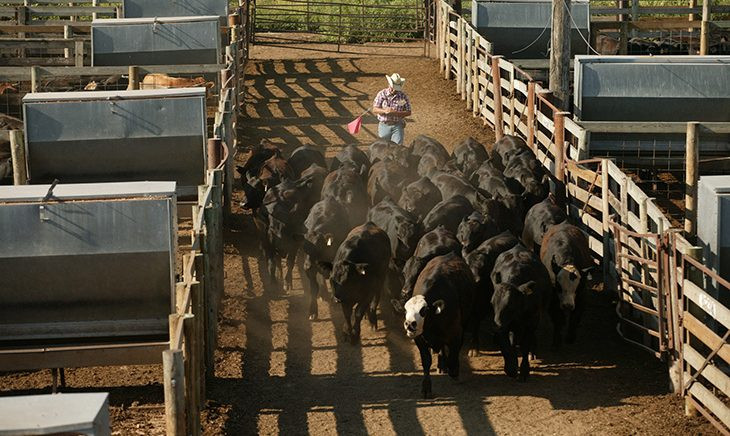
The unexpectedly large corn inventory in Grain Stocks Report was bullish for cattle WASHINGTON, D.C. – Wednesday’s (Sept. 30) quarterly Grain Stocks report delivered a bearish surprise for corn, with September 1 inventories at 2.095 billion bushels, above all trade expectations. USDA also trimmed the 2025 corn crop by 57 million bushels to 16.694 billion , reducing harvested acres while leaving yield unchanged. Weather remains a factor, with heavy rain moving through the western Corn Belt this week and continuing to slow harvest. A much drier and warmer pattern is expected to move into the Plains and Midwest next week, potentially allowing harvest to accelerate. Wednesday’s quarterly Grain Stocks report delivered a bearish surprise for corn, with September 1 inventories at 2.095 billion bushels, above all trade expectations. USDA also trimmed the 2025 corn crop by 57 million bushels to 16.694 billion, reducing harvested acres while leaving yield unchanged. Weather remains a factor, with heavy rain moving through the western Corn Belt this week and continuing to slow harvest. A much drier and warmer pattern is expected to move into the Plains and Midwest next week, potentially allowing harvest to accelerate. Wednesday Market Wrap Up with Arlan Suderman at StoneX : Soybean stocks came in slightly below expectations at 315 million bushels, while 2025 production was revised minimally lower to 4.261 billion bushels. Wheat stocks were also below expectations at 1.846 billion bushels, while 2026 all-wheat production was raised slightly to 1.534 billion bushels. The sharp drop in corn and soybean prices also caught the attention of the cattle market, with traders recognizing the potential for lower feed costs to improve cattle feeding economics. Soybean stocks came in slightly below expectations at 315 million bushels, while 2025 production was revised minimally lower to 4.261 billion bushels. Wheat stocks were also below expectations at 1.846 billion bushels, while 2026 all-wheat production was raised slightly to 1.534 billion bushels. The sharp drop in corn and soybean prices also caught the attention of the cattle market, with traders recognizing the potential for lower feed costs to improve cattle feeding economics. Share via: Facebook Twitter LinkedIn More
Comments
Similar Stories

Agriculture
US House candidates disagree on tariffs, but find common ground on opposition to Trump beef importsDebate also highlights differing stances on economic policy, health care, tribal relations SIOUX FALLS, S.D. — During a Thursday night debate, the Republican candidate in the race for South Dakota’s […]
October 2, 2026
John Hult / South Dakota Searchlight
Agriculture
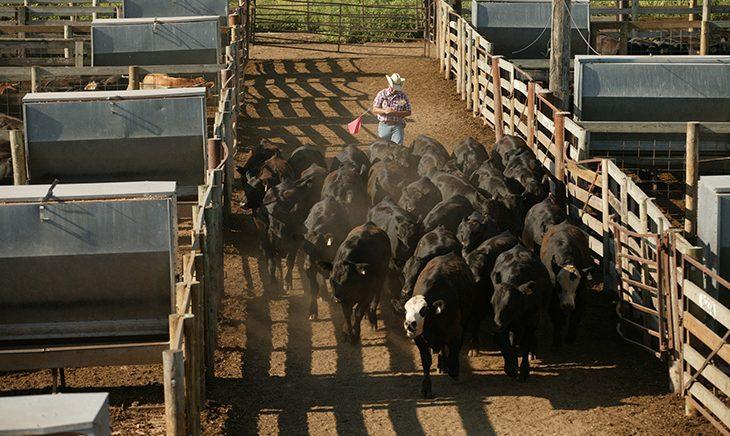
Cattle markets climb as USDA finds more grain than expectedThe unexpectedly large corn inventory in Grain Stocks Report was bullish for cattle WASHINGTON, D.C. – Wednesday’s (Sept. 30) quarterly Grain Stocks report delivered a bearish surprise for corn, with […]
October 1, 2026
Dakota News Network
Agriculture
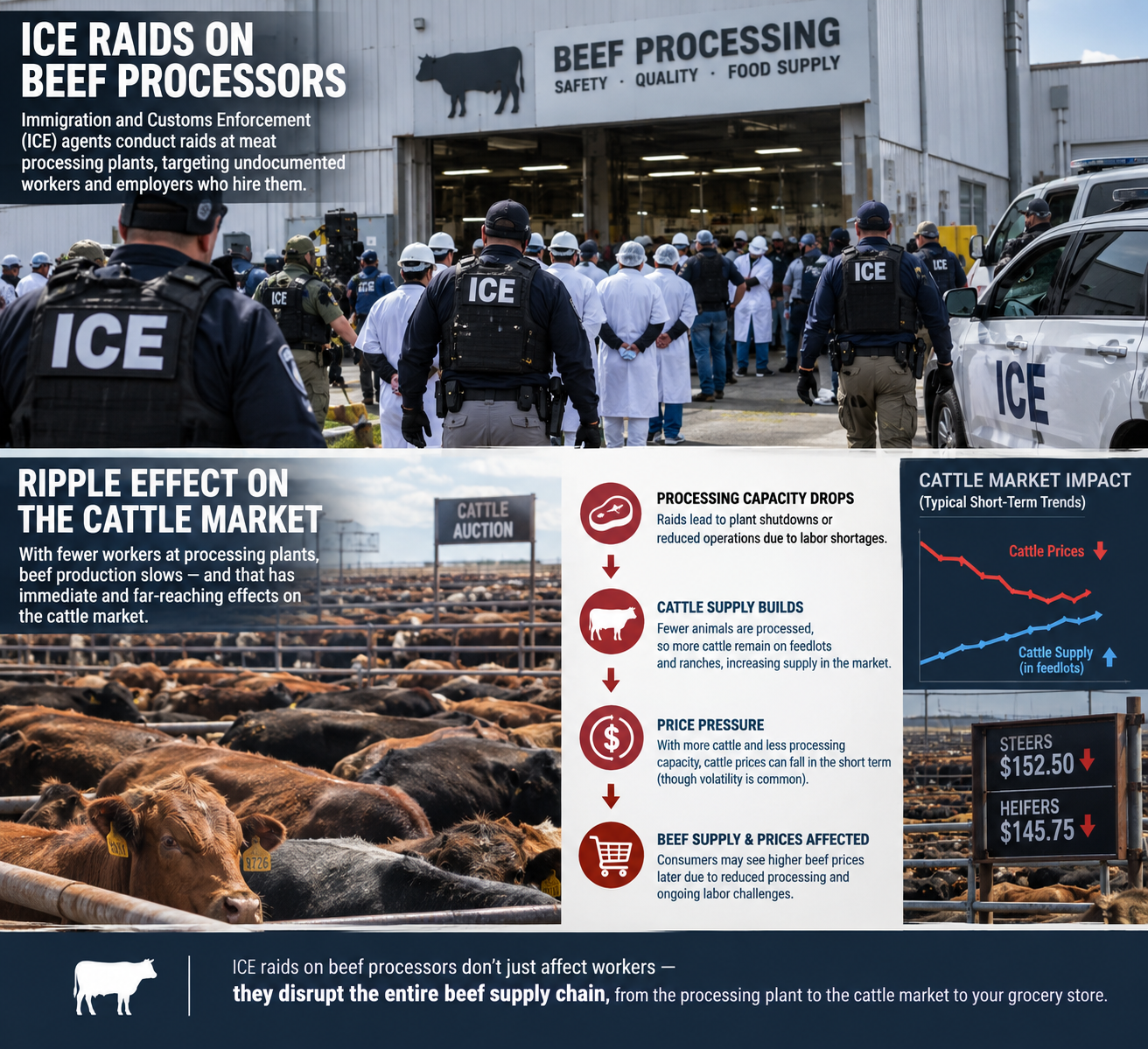
Ranchers say ICE raids the source of recent cattle, beef market volatilityThousands of fed cattle, scheduled to leave commercial feedlots for processing, have nowhere to go. DODGE CITY, KAN. – The dusty air of southwest Kansas hung heavy, smelling faintly of […]
September 30, 2026
KBHB News Staff