
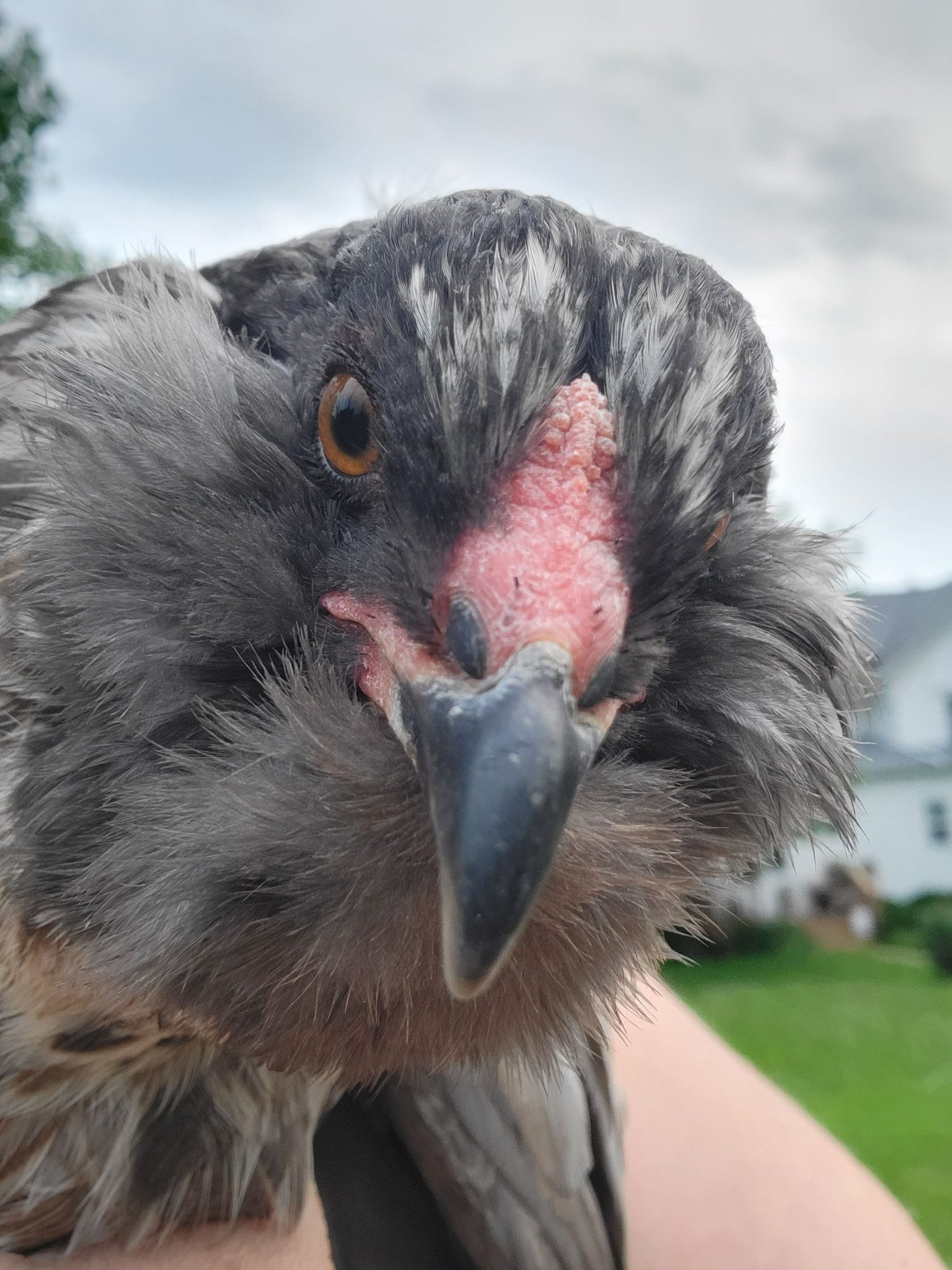
RAPID CITY, SD — In a major win for city residents, an amendment made to residential ordinances in Rapid City have been revised, allowing for the keeping of up to six chickens in residential properties.
This follows off of significant grassroots efforts by activist group “Rapid City Hens” who initially pushed for a special election in January. Their efforts were quickly noticed by Alderman Stephen Tamang (Ward 1) who carried the banner of hen legalization into the halls of City & Finance, initially pushing for adoption of legislation written by Rapid City Hens’ leadership. After passing the first reading two weeks prior, the ordinance was rewritten, officially allowing residents to freely get fresh eggs.
At the meeting of the City Council itself, there was little in the way of discussion from city officials, who have been discussing this particular issue for a number of weeks now. Members of the public showed up in droves, with various people giving their strong support for the ordinance.
A member of Rapid City Hens, David Holland, who took on a role leading the charge was first to speak to the issue, going over facts and background research done leading up to the initial push by the group, reviewing related ordinances from three surrounding states and a number of South Dakota communities. “[Other communities] have had very few issues, and we expect the same here in Rapid City,” said Holland. A sixteen year old, Hendrix Jones followed Holland, taking a strong stance in advocacy of the ordinance. “All of these cities allow chickens, so why shouldn’t we?” said Jones. Speakers came and went over the course of nearly 20 minutes as individuals spoke to their support for their fine feathered friends.
Eventually, the ordinance was voted on by roll call, with 6-4 in favor. The successful vote was met with applause and cheering from the audience, a rare sight during many council meetings. Alderman Tamang made no effort to maintain a neutral demeanor following the vote or during speeches by the public, beaming widely during the entirety of this portion of the meeting.
This new ordinance allows up to six hens to be kept in proper accommodations, and does not allow roosters, who are often aggressively territorial, and the primary source of chicken-related noise.