Pour yourself a bourbon tonight and you’re holding a thank-you note to a dead French king.
The word on the label traces back to the House of Bourbon, the royal family that sat on thrones in Versailles, Madrid, and Naples, and that decided in 1778 to bankroll a bunch of farmers and shopkeepers picking a fight with the British Empire.
France bets on the underdog
France wasn’t moved by the Declaration of Independence. They wanted Britain bruised, and a colonial revolt was a cheap way to do it.
Money, muskets, gunpowder, and about 12,000 troops. At Yorktown in 1781, it was the French fleet under Admiral de Grasse that sealed off the Chesapeake so Cornwallis couldn’t be rescued or resupplied. Washington had the army on land. France had the water. Without the water, there’s no surrender.
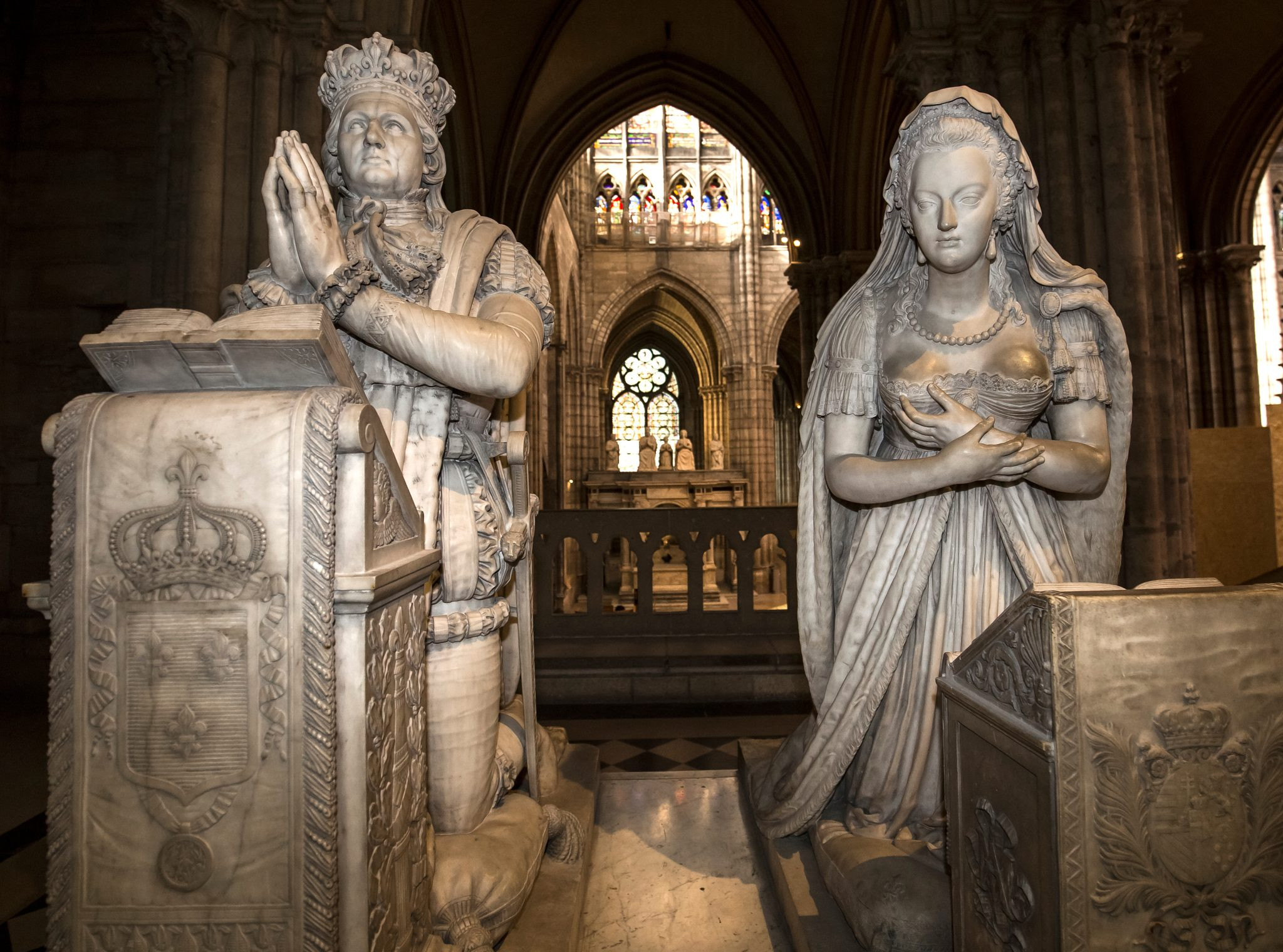
It nearly broke them. The war helped shove France into the debt spiral that ended with its own revolution, and with Louis XVI losing his head in 1793. He bet the treasury on American independence and it cost him everything, including his neck.
Kentucky had a corn problem
Out past the Appalachians, settlers were pulling more corn out of the ground than anybody could eat or haul.
Corn rots. Whiskey doesn’t. Whiskey travels, trades, and holds its value, and a barrel is a lot easier to float down the Ohio than a wagonload of grain. Distilling turned into an industry the way most American industries start, which is by accident, out of somebody trying not to waste what they already had.
The whiskey coming out of that country tasted different. The water ran through limestone, which strips out iron and leaves behind calcium, and iron is the thing that turns a mash bitter. The barrels got charred, and that char gave the spirit its color plus the vanilla and caramel notes we now take for granted. Nobody had a science for it yet. They had results.
The county with the royal name
When Virginia carved up its western land in 1785, it named a chunk of it Bourbon County, after the family that had funded the fight. Same impulse that gave us Fayette County and a thousand Lafayette Streets. You honor your allies by putting their names on the map.
Bourbon County was enormous back then, roughly 34 of Kentucky’s modern counties. Barrels shipped out of the region got stenciled “Old Bourbon” so buyers down in New Orleans knew what they were getting. Those buyers started asking for the bourbon by name, and the name outlived the county lines.
Historians still argue the rest of it. Some trace the name to the county, some to Bourbon Street in New Orleans, which was also named for the same French family. Either road leads back to Versailles. The earliest known print ad for “Bourbon whiskey” shows up in 1821, and the word didn’t settle into common use until decades after the Revolution.
Bourbon County went dry, and for most of a century the county whose name is on every bottle in America didn’t make a drop. Prohibition shut the local distilleries down and nothing replaced them. The county stayed legally dry until 2014, when a small operation called Hartfield & Co. opened in Paris, Kentucky, and finally put bourbon back in Bourbon County. Roughly eighty years with the most famous name in whiskey and nothing to put it on.
What you’re actually drinking
A French dynasty spends itself into ruin helping a republic that didn’t exist yet. Virginia says thank you by naming a county. Kentucky farmers fill that county with corn liquor. Two centuries later, the Bourbons are gone from every throne in Europe, and their name is on a bottle in a bar in Rapid City.
Congress made it official in 1964, declaring bourbon a distinctive product of the United States. A French family name, protected by an act of American law.
Louis XVI never tasted it. He never heard the word used that way. He died broke and unpopular, and the government he bankrupted himself defending was the one that eventually got him.
But the name survived. Next time somebody asks what you’re having, you can tell them you’re drinking a monument.