
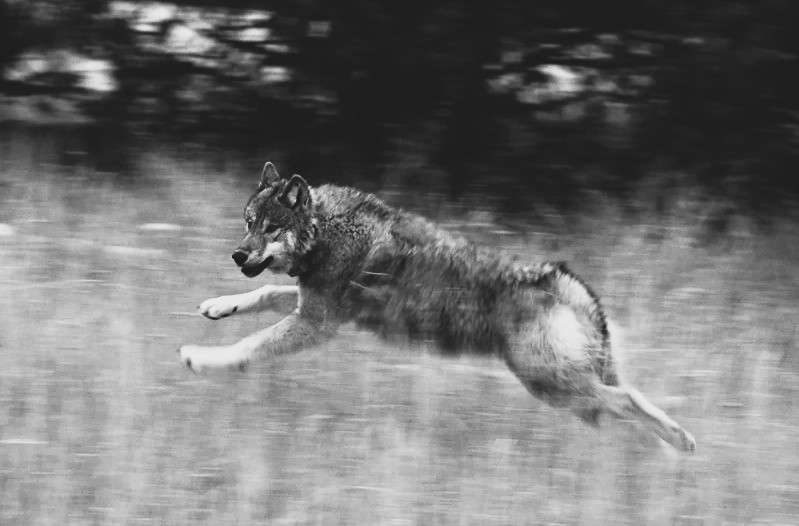
BOND, CO — A looming legal battle over a dead wolf in Colorado has captured the undivided attention of livestock producers across the American West. The incident is poised to become the first major test of the federal 10(j) rule in the state—a provision under the Endangered Species Act that allows ranchers to use lethal force against wolves caught “in the act” of attacking livestock, working dogs, or threatening human life.
While ranchers in states like Montana and Wyoming have spent decades utilizing similar 10(j) experimental population rules—and subsequently state-level protections—to shoot problem wolves, Colorado’s newly reintroduced population is facing its first real test of the law. The outcome could set a massive precedent for how wildlife conflict is handled moving forward.
The Incident at Nottingham Ranch
The controversy stems from an incident in March 2026 at the Nottingham Ranch, a massive 20,000-acre operation straddling Eagle and Routt counties. Ranch owner Susan Nottingham publicly disclosed that one of her employees shot and killed a female wolf—subsequently identified as the breeding female, or dam, of the King Mountain pack.
According to Nottingham, the employee observed the wolf running directly toward a herd of cows with young calves at their sides. The ranch hand reportedly fired two warning shots into the air, but when the wolf failed to retreat, a third shot was fired, killing the animal. Nottingham staunchly defended the action, stating the employee was simply doing his job: protecting the cattle.
Escalating Pressures on the Calving Grounds
The King Mountain pack’s presence on the ranch intensified earlier in the year. In January, the pack’s breeding male died during a Colorado Parks and Wildlife (CPW) collaring operation. Following the loss of the male, the remaining female and her four yearling pups migrated directly onto the ranch’s high-density calving grounds, where roughly 1,100 cows were kept.
Nottingham noted that CPW data from a collared wolf placed the predators less than a mile from her house, right between her home and the calving barn.
- Economic Losses: Nottingham was compensated for three confirmed wolf kills in 2025, but she claims numerous other livestock deaths went unconfirmed by the state.
- Labor Shortages: The stress of working night-calving shifts under constant predator pressure caused one of her employees to quit mid-season.
- Bureaucratic Roadblocks: Nottingham had previously been denied a lethal take permit due to a dispute with CPW over an old hunting carcass dump on the property, despite a state site assessment conceding that carcass management was virtually impossible on a ranch spanning 20,000 acres. After spending tens of thousands of dollars fighting state denials, Nottingham remarked that her once-positive relationship with CPW evaporated after the wolves were released near her land.
The Stakes: Retroactive Permit vs. Prison Time
CPW, in consultation with the U.S. Fish and Wildlife Service, is currently leading a thorough investigation into the shooting.
| Investigation Outcome | Legal Consequences |
| Kill Justified Under 10(j) | CPW will grant Nottingham a retroactive lethal take permit; no charges filed. |
| Kill Unjustified | The ranch hand faces a $100,000 fine and up to one year in federal prison. |
As CPW maintains a strict refusal to comment on the active investigation, livestock owners throughout the West are watching closely. In Montana and Wyoming, the right of a rancher to defend their livelihood from predators is deeply entrenched in local management culture. Whether Colorado will mirror that standard or enforce strict penalties under its new reintroduction framework remains to be seen.


