
The views and opinions of this article may not reflect the views of The Rapid City Post, its affiliates, or advertisers.
In his Opinion of September 11–13, 2026 published in the Rapid City Post, Billy Mawhiney, Executive Director, South Dakota Afterschool Network noted that, “South Dakota is set to receive at least $52.6 million from Meta, potentially as much as $73.5 million, because of social harm social media platforms, caused young people. … State leaders should create a transparent, youth-informed plan before spending begins. Funds should address social media harms, expand investments and prioritize communities with a fewest options. “
The State legislature does not currently fund after school programs. The Trump administration continues to propose zeroing out federal assistance. The legislature could earmark the settlement specifically to benefit youth. This could include: 1. Providing “ real life experiences” to counteract excessive social media use, damaging young users; 2. Address youth mental health issues and
3. Provide digital literacy programs for youth.
During the respective Gubernatorial addresses sponsored by the Black Hills Forum and Press Club, I asked both Governor Larry Rhoden and Challenger Dan Ahlers whether or not they would consider earmarking a significant portion of the settlement to fund South Dakota after school programs. Ahlers’ who was a substitute teacher, engaged in afterschool programs in Del Rapids, indicated he would certainly consider such an earmark, but wanted to know the details of the settlement before he could commit. Governor Rhoden was much more cautious indicating there would be multiple demands on the settlement funds coming in.
“The demand is outpacing supply,” Mawhiney explained. “Right now, there are about 60,000 youth in the state of South Dakota that want an after-school or summer program. We’re serving in South Dakota 20,000 of them, so essentially 40,000 or every two out of three youth that want an after-school program is just not getting served right now. Access is an issue. Affordability is certainly always an issue.”
In 2026, the US Department of Education provided $6.5 million to afterschool programs in South Dakota. The Trump administration zeroed out these critical programs to South Dakota’s youth. A delegation of after school advocates met with the South Dakota Congressional delegation and they helped restore the funding. Trump is again proposing zeroing out the program in 2027.
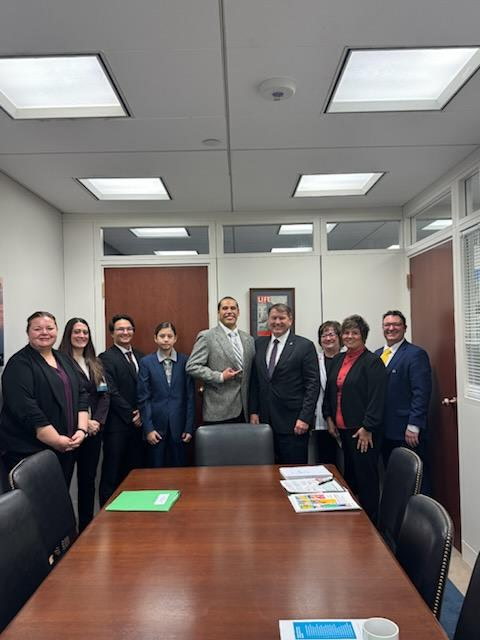
In addition to Billy Mawhiney, among those advocating for the restored funding was Samuel Hare and his son Bryson. Samuel is a volunteer basketball coach at the Rapid, City Boys Club. His son and hundreds of other young boys in the community participate in afterschool programs throughout the year. Partially as a result of his and Bryson‘s lobbying experience, Samuel is now running for South Dakota State House from District 32 as an Independent Democratic Candidate.
Last year, the first of nine payments over the next eight years was $9 million. Apparently, Attorney General Marty Jackley had the authority to designate where the settlement funds might go but has deferred to the legislature for that determination. The second payment of $4.8 million will arrive January 15, 2027 for a total of $13.8 million available for the 2027 legislatures consideration.
The other social media that have also damaged youth include TikTok, YouTube and Snapchat. Apparently they are all reviewing the Meta settlement and may provide additional funds that could ultimately total as much as $ 73.5 million to South Dakota over the next eight years
Mawhiney indicates that,“ We’re waiting for the election results before we finalize our lobbying strategy [ for the SD Legislature and Governor’s office]. We are hopeful for support across the political spectrum. Children and youth needs are not a partisan issue.”
It is common sense that the settlement should be earmarked for youth programs, and not go into the general fund. I believe the vast majority of South Dakota’s voters would support such Earmarked legislation.