
In honor of June’s Pride Month, let’s take a dive into one of the many aspects of American culture that have been impacted by the long, rich, and complicated history of the LGBTQIA+ community in America. This article serves as merely a surface level skim over a nuanced conversation that spans wide and runs deep through our culture. You may not realize it, but every single day we’re interacting with queer history. And no, it’s not just that cute rainbow top you bought last week. This week’s example? Line dancing.
Some American history for you: dancing with a same sex partner was illegal in the U.S. for a long time. It was especially dangerous during the “Lavender Scare” of the 1950’s, during which FBI and police officers reportedly maintained covert lists of gay Americans. Same-sex dancing was considered a public act of homosexuality and was thus dealt with like a crime. The Stonewall Riots in 1969 were in part due to patrons in clubs often being arrested—or worse—simply for dancing together and being caught during police raids. It wasn’t until 1985 that Disneyland (yes, Disneyland) was legally forced to remove their ban of same-sex dancers on their Tomorrowland dancefloors after they were successfully sued for discrimination.
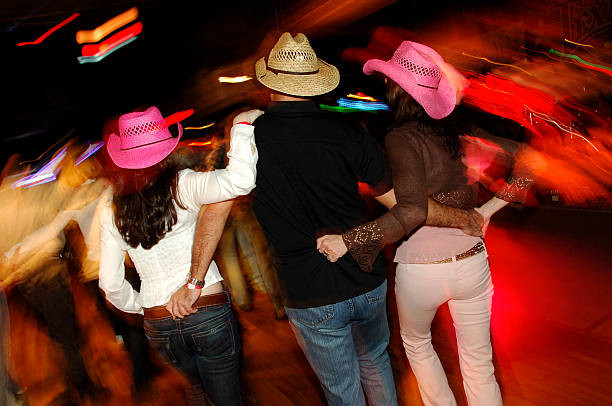
With such restrictions in place, what were queer couples that wanted to express themselves and let loose a little supposed to do? The answer came in the form of line dancing. In the 1970s, iconic clubs like L.A. ‘s Oil Can Harry’s became a hub for people who were otherwise expressly forbidden from dancing with one another. Sure, they were dancing alongside someone, but how could it be proven that they were dancing with them? 1970’s line dancing was also a stark alternative to the disco frenzy of the time. Unlike disco, line dancing wasn’t associated with a hot, heady, drug-fueled nightlife. This clear separation was an added layer of security to folks who were already at risk of being profiled and arrested.
Gay Western bars and clubs began to pop up across the nation as the community caught on. It was in these safe havens that touching a same-sex partner wasn’t inherently sexual or unusual. More importantly, it wasn’t expressly illegal. Allowed the same intimacy and safety many take for granted on the dance floor, the queer community took Country-Western dancing—swing, two-step, and the waltz soon joined the fray—and made it their own.
Today, America is seeing a rise in Americana/Western music and aesthetics. Spanning from red, white, and blue clothes in every store to country music’s robust return to mainstream pop charts all the way to the buzz around the “All-American Half Time Show,” one thing is clear: Americans today can’t get enough of stars, stripes, and spurs.
America is also seeing an increase in calls to bring back the same restrictions the queer community has been fighting against this whole time. This includes less noticeable things like smaller Pride displays at big box stores all the way to politicians entertaining an appeal to same-sex marriage in 2026. Whether this is related to the shift of American culture towards more “American” roots remains to be seen. Are we merely reaching for sun-drenched front-porch nostalgia in uncertain times? Is this a reflection of our current political climate, where many are trying to return to an America of yore for better or for worse? Or is it all just in honor of America’s 250th Birthday?
Regardless, pay attention: from L.A. to Minneapolis to NYC, queer line dancing is making a comeback. It could be TikTok, it could be a passing trend, or it could be something more. As you see Pride festivals this month, remember that the first Pride was a protest. It was a fight, however uphill, for equality and safety. Also remember that resistance is crucial, and joy is resistance. Whether it’s time to dust off your cowboy boots remains up to you.


