
There are a lot of legendary names in bourbon. Some come from old family dynasties. Others borrow from military titles, historic places, or carefully crafted marketing campaigns meant to sound timeless and important. Walk down any whiskey aisle and you’ll see the pattern immediately. Names built to feel like they’ve always belonged there. Every once in a while, though, a brand shows up with a name so strange and specific that it makes you stop and wonder how it ever ended up on a label in the first place. This one sounds less like something created in a boardroom and more like something shouted across a campfire. And honestly… that’s not far from what happened.
Before the Name Existed
To understand the story, you have to go back to Kentucky in the early 1900s. This was long before the bourbon boom, long before whiskey tourism, and long before bottles became collectibles sitting behind locked glass. Back then, bourbon was simply something Kentucky made. Distilleries dotted the landscape along rivers and railroads, and many sold their whiskey quietly through distributors instead of building flashy national brands. One of those distilleries sat along the Kentucky River in Lawrenceburg. The Ripy family founded it in the late 1800s and built a reputation for producing solid Kentucky bourbon, though nothing about the operation suggested future celebrity status. Like many distilleries of the era, it shut down during Prohibition and reopened afterward, spending the mid-twentieth century doing what most distilleries did: making good whiskey that other companies bottled and sold.
The Distributor Who Changed Everything
The turning point came through a New York spirits distributor called Austin Nichols & Company. In the 1940s, the company began buying barrels from the Lawrenceburg distillery and bottling them for sale. One of the executives there was a man named Thomas McCarthy. He wasn’t trying to invent a legendary bourbon brand. He simply enjoyed whiskey and happened to work in the business. More importantly, he had a yearly tradition with a group of friends that had absolutely nothing to do with marketing strategy. Every spring they traveled south for a hunting trip, specifically after a bird that has a reputation for being delicious and just frustrating enough to make hunters keep coming back.
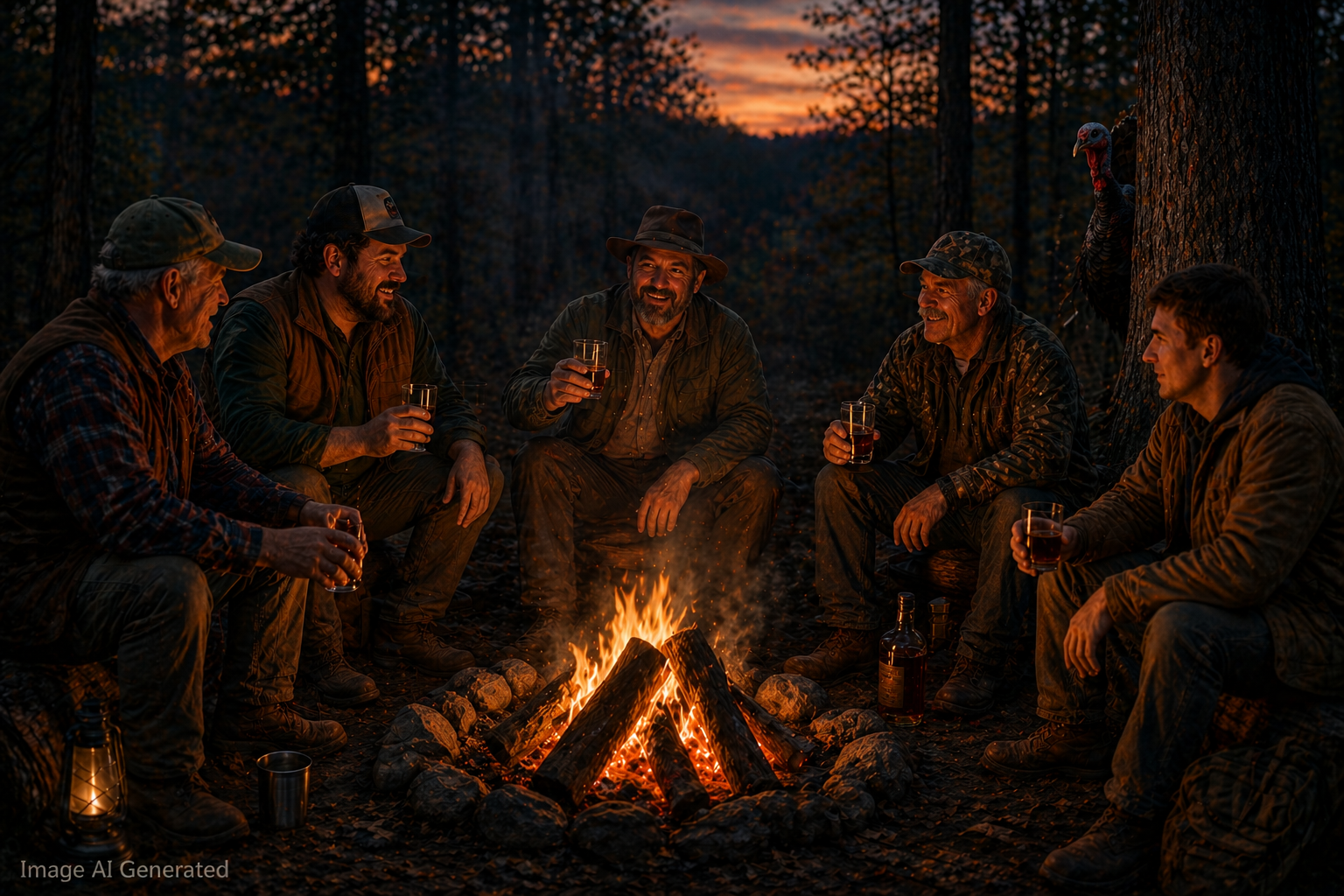
The evenings looked exactly how you’d imagine. A fire crackling somewhere nearby, stories getting slightly taller with every retelling, and eventually a bottle making its way around the circle. One year, McCarthy brought along samples of the bourbon his company had been purchasing from the Kentucky distillery. He wasn’t unveiling a new brand. He shared good whiskey with friends, the group loved it, and they passed the bottle around camp for the rest of the trip. By the end, the whiskey had quietly become part of the memory.
The Nickname That Followed the Whiskey
A year later the same hunters gathered again for their annual trip, and almost immediately someone asked McCarthy if he had brought more of that bourbon. Not by brand name, because they didn’t know the brand name. They asked for the whiskey from the hunt. The nickname came from the trip itself, rolled naturally into conversation, and stuck because everyone instantly understood what it meant. Before long the phrase traveled back with McCarthy to New York, and someone at Austin Nichols noticed something simple: if people were already remembering the bourbon by a certain name, the company might as well use it.
The Moment the Name Became Real
In 1942 the company officially bottled the bourbon under the same nickname the hunters had been using. The name didn’t come from a distillery founder. It didn’t honor a historic location. No advertising agency sat around a table searching for something bold and memorable. Instead, the label came straight out of a hunting trip. A group of friends kept asking for the bourbon they had enjoyed during their wild turkey hunt, so the company leaned into it. That simple campfire nickname became the official name on the bottle, and that is how the world eventually came to know the bourbon as Wild Turkey.


