
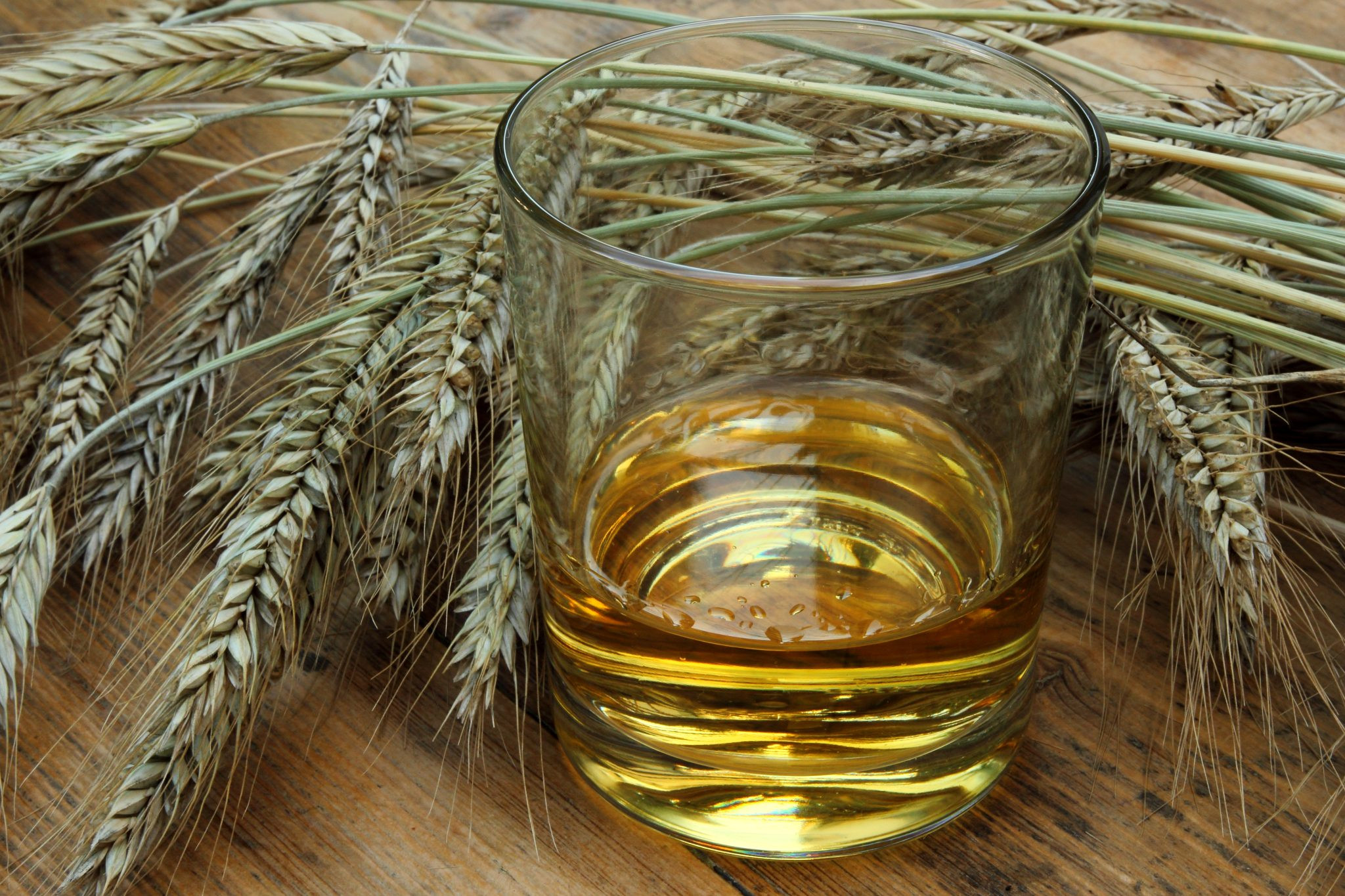
Rye was the whiskey this country made its own, back before anyone thought to romanticize it. Spicy, sharp, a little unruly. It was pouring out of Pennsylvania and Maryland farmhouses long before bourbon had a fan club or a craft bar charged 22 dollars for an Old Fashioned.
Rye Whiskey Was Here First
When European settlers pushed into the American colonies, they brought their distilling habits along. Rye grain grew easily in the Mid-Atlantic, especially in Pennsylvania and Maryland, so the earliest American grain whiskeys came off a rye mash. By the late 1700s, rye had stopped being a novelty. It was currency, medicine, and social ritual, sometimes all from the same bottle.
George Washington himself ran one of the most productive rye distilleries in the country, out at Mount Vernon. By 1799, the year he died, the place was turning out close to 11,000 gallons, which made it one of the largest whiskey operations in America. So the next time someone treats whiskey appreciation like a modern invention, you can mention that the founding fathers were running stills.
The Rebellion Nobody Taught You About (Unless You Follow Whiskey@Work!)
In 1791, the young U.S. government put a tax on distilled spirits to help pay down Revolutionary War debt. Farmers in western Pennsylvania had spent years turning their rye surplus into whiskey, and that whiskey paid their bills. The tax landed like a gut punch.
By 1794, the anger boiled over into what we now call the Whiskey Rebellion. Armed farmers ran off federal tax collectors, tarred and feathered a few, and forced the issue all the way to the capital. President Washington rode out at the head of a militia of roughly 13,000 men to put it down, the only sitting president ever to lead troops in the field. It was the first real test of whether the young federal government could enforce its own laws, and rye whiskey sat right at the center of it.
Pennsylvania vs. Maryland: A Rivalry That Actually Mattered
The two big rye regions built two different drinks. Pennsylvania rye earned a reputation for being bold and full-flavored, made from a high proportion of rye in the mash. Maryland rye took a softer route, often folding in corn for a smoother, more approachable pour. Bartenders in the 1800s knew the difference and reached for one or the other on purpose, the way a chef today picks a specific salt or olive oil.
The Manhattan and the Old Fashioned were built on rye, and its natural spice gave those drinks their backbone. The Sazerac came to rye a little differently, starting life as a cognac cocktail in New Orleans and switching over in the 1870s when a grape blight in France made cognac scarce. When bourbon crept into those recipes during the 20th century, the drinks turned a little softer and a little sweeter.
How Prohibition Nearly Erased It
Rye was thriving heading into the 1920s. Then Prohibition arrived, and thirteen years of shuttered distilleries, bathtub production, and a scrambled drinking culture pulled the floor out from under it.
When Prohibition ended in 1933, the whole industry had to rebuild from scratch. Kentucky’s bourbon makers came back faster, and their sweeter, corn-forward style fit a postwar taste for lighter drinks. The old high-rye Pennsylvania distilleries mostly never reopened. By the middle of the century, a lot of the historic rye names had simply disappeared.
For decades after, rye limped along as a niche product, kept alive by a few stubborn labels like Old Overholt and Rittenhouse and a core of loyal drinkers up in the northeastern states who never stopped ordering it.
How Rye Clawed Back
Something shifted in the early 2000s. Bartenders obsessed with cocktail history started pulling apart old recipes, and they figured out that the original Manhattan tasted different because rye was the whole point. Sales began climbing. Craft distillers revived heritage recipes, a few of them reaching back to 18th-century methods, and the interest snowballed.
Today rye is one of the fastest-growing corners of the American whiskey market. Distilleries from New York to California make it, and both the old Pennsylvania and Maryland styles are getting a fresh look, with outfits like Dad’s Hat in Pennsylvania and Sagamore Spirit in Maryland picking up threads dropped for the better part of a century. More than two centuries after Washington’s stills and a federal army marched over it, rye is back on the shelf. It took the long way around.


