
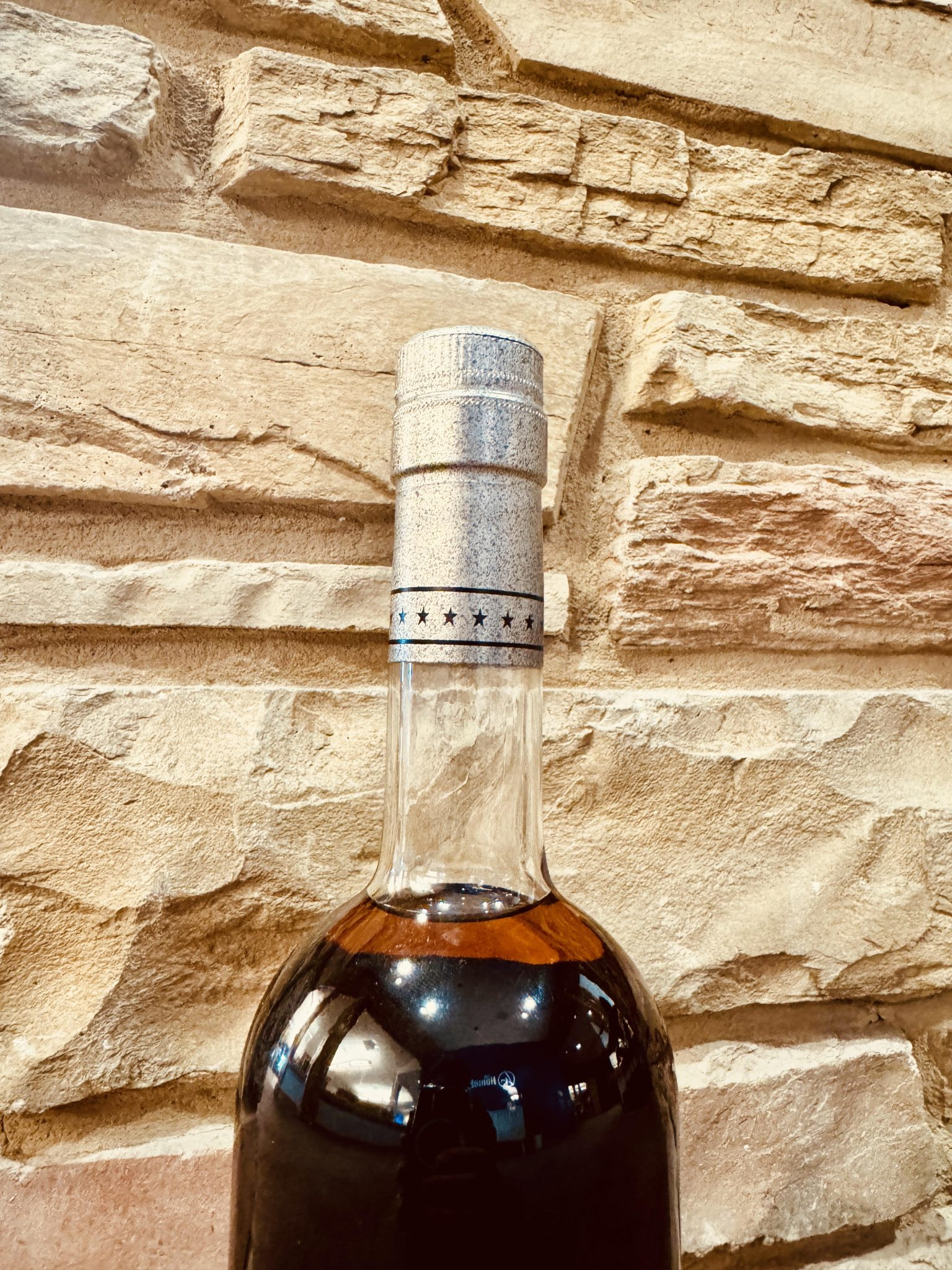
Somewhere along the way, whiskey drinkers decided the first pour out of a new bottle is suspect. Too sharp. A little flat. Off, somehow. They named it the neck pour and built a whole small mythology on top of it. Some folks dump it down the sink. Some hide it in a cocktail. Some drink it anyway and wait for glass number two to deliver what they paid sixty bucks for.
In all that time, almost nobody thought to turn the bottle over.
That’s it. Turn it upside down, let it settle, turn it back. If the neck pour is a real thing, ten seconds of wrist work handles it before you ever break the seal.
What the neck pour claim actually says
The neck of a whiskey bottle is narrow, so the liquid sitting up there gets a lot of face time with the little pocket of air trapped above it. Air contact means oxidation. Oxidation changes flavor. Now add the temperature swings of a truck ride across three states and a few months on a warm shelf, and the argument writes itself: the whiskey in that skinny top section has lived a harder life than the whiskey down in the body of the bottle.
People who take this seriously say you can taste it. That first pour comes across harsher, a little muted, less generous than what follows.
Nobody has run a peer-reviewed study on it. What we have is a plausible chemical mechanism, a lot of consistent anecdote from tasters who pay attention for a living, and enough honest disagreement that the thing stays unsettled.
Why doesn’t anybody flip it?
Part of it is that whiskey culture loves a ritual. Pouring off that first glass and setting it aside has a certain ceremony to it, the cover charge you pay for the good stuff underneath. Flipping the bottle feels like something you’d do to a carton of orange juice.
So the move never made it into the tasting-room script, or the whiskey blogs, or the little card that comes hanging off the neck of a fancy release. It’s too plain to sound like expertise.
The practical question still deserves an answer, though. Does the flip work?
The chemistry says probably
If oxidation up in the neck is the culprit, mixing everything together before you open it spreads those off-notes through the whole bottle instead of loading them all into your first glass. A couple of ounces stirred into 750ml is dilution well past what most palates can pick up.
This isn’t some fringe idea, either. Distillers and blenders invert samples all the time when they’re assessing, not to chase a neck pour, but to make sure the liquid in the glass represents the whole batch. Mixing before you evaluate is standard practice in the industry.
Where it gets complicated
Non-chill-filtered whiskey is the wrinkle. Most mass-market bourbon and Scotch runs through chill filtration, which strips out the fatty acids and proteins that would otherwise turn the liquid hazy when it gets cold. Bottles that skip that step keep those particles, and over months on a shelf, they settle.
Flip that bottle and you stir all of it back into suspension. Usually harmless. The particles won’t hurt you and their flavor contribution is tiny. On a single barrel release or an older expression that’s been standing for a few years, though, inversion genuinely changes what lands in your glass.
There’s a simpler objection too. Some drinkers like the neck pour. Brighter, more volatile, a little sharp in a way that wakes the tongue up. If that’s the glass you look forward to, mixing it back into the bottle takes something away from you.
What you actually learn by trying it
The neck pour was never one clean phenomenon. It’s oxidation chemistry, expectation psychology, bar ritual, and plain bottle-to-bottle variation, all tangled up under one tidy name. The flip goes straight at the chemistry. It does nothing at all about what your brain already decided before you poured.
Which makes it a decent little experiment. Flip a bottle, taste the first glass, and if it still underwhelms you, that tells you where the effect was actually living. Flip one and notice nothing, and that tells you something too.
Either way you’ll have done more testing than most people who’ve been repeating the claim for years.


