
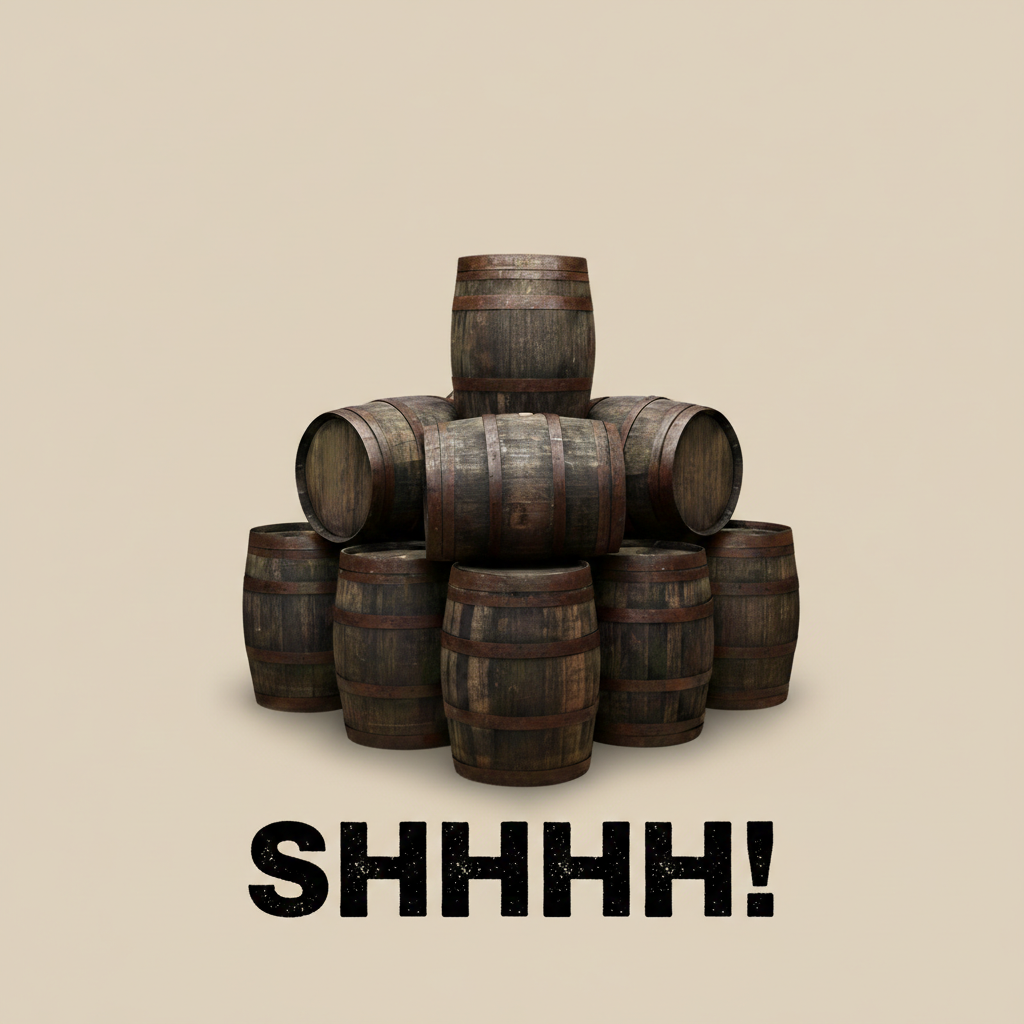
The life of a whiskey barrel is pretty fascinating. It is essential in making whiskey taste the way it does, and for all the romance people attach to “mash bills” and “distillation,” the truth is simple. The barrel is doing most of the work. It provides one hundred percent of the color in your favorite spirit and well over half of the flavor. Without the barrel, bourbon, Tennessee whiskey and most American whiskeys would be clear, sharp and nowhere near as rich or complex.
But once a barrel completes its first job, what happens to it?
A lot more than you might expect.
If you are making bourbon or Tennessee whiskey, each barrel can legally be used only once. This requirement comes from federal law, which states that bourbon must be aged in new, charred oak containers. It is true that the rule also protected American cooperages and loggers, especially during the early 20th century, but distillers also learned quickly that a second-use barrel simply does not deliver the same intensity of flavor.
So the question becomes: what happens to all the leftover barrels once they have finished aging their first batch of whiskey?
That is where the rest of the world steps in.
Scotland is the biggest customer. Almost all Scotch whisky is aged in used American bourbon barrels, which give Scotch notes of vanilla, caramel and gentle sweetness. Scotland does use sherry and wine casks as well, but ex-bourbon barrels remain the backbone of the industry.
Mexico benefits too. Many tequila producers age their reposado and añejo tequila in former bourbon barrels, allowing the oak to smooth the spirit and add warm flavors.
In the Caribbean, rum makers age their spirit in old bourbon barrels, which contribute spice, color and depth.
And one of the fastest-growing second lives for whiskey barrels is in American craft beer. Brewers fill retired bourbon casks with stouts, porters, barleywines and other specialty beers to create those rich, boozy barrel-aged flavors that fans line up around the block for.
But perhaps the most surprising second career for bourbon barrels has nothing to do with spirits at all. It starts with peppers, vinegar and salt. Once mixed together, this mash is packed into old bourbon barrels, often sourced from Jack Daniel’s, where it ages for up to three years. When it is ready, it is strained, blended and poured into those familiar little bottles with the red cap and white label.
That’s right.
Tabasco sauce is aged in old whiskey barrels.
The barrels give the sauce its tangy complexity, mellow the heat and help develop the flavor that shows up on everything from eggs to pizza to tacos.
So here’s to the humble whiskey barrel. It starts life aging bourbon, then travels the world to make Scotch, tequila, rum, craft beer and even hot sauce better. It is one of the hardest-working pieces of wood in the culinary universe.
May its insides never run dry.
For more whiskey stories that make the journey just as fun as the sip, listen to Rob and Mark on Whiskey at Work.


