Every year, Memorial Day arrives with the smell of backyard grills, the sound of motorcycles on the highway, and families finally stepping into the warmth of summer. Stores run sales. Campgrounds fill up. Boats hit the water. For many Americans, it marks the unofficial beginning of summer.
But underneath the long weekend is something much heavier.
Memorial Day was never meant to be just a day off. It was created because grief once covered this country so deeply that people needed a day to stop and remember the dead.
The roots of Memorial Day stretch back to the years following the Civil War, the deadliest conflict in American history. More than 620,000 soldiers were killed, though some historians believe the number may have been even higher. Entire towns lost generations of young men. Families waited for fathers, sons, and brothers who never came home. In many places, the war ended, but the mourning did not.
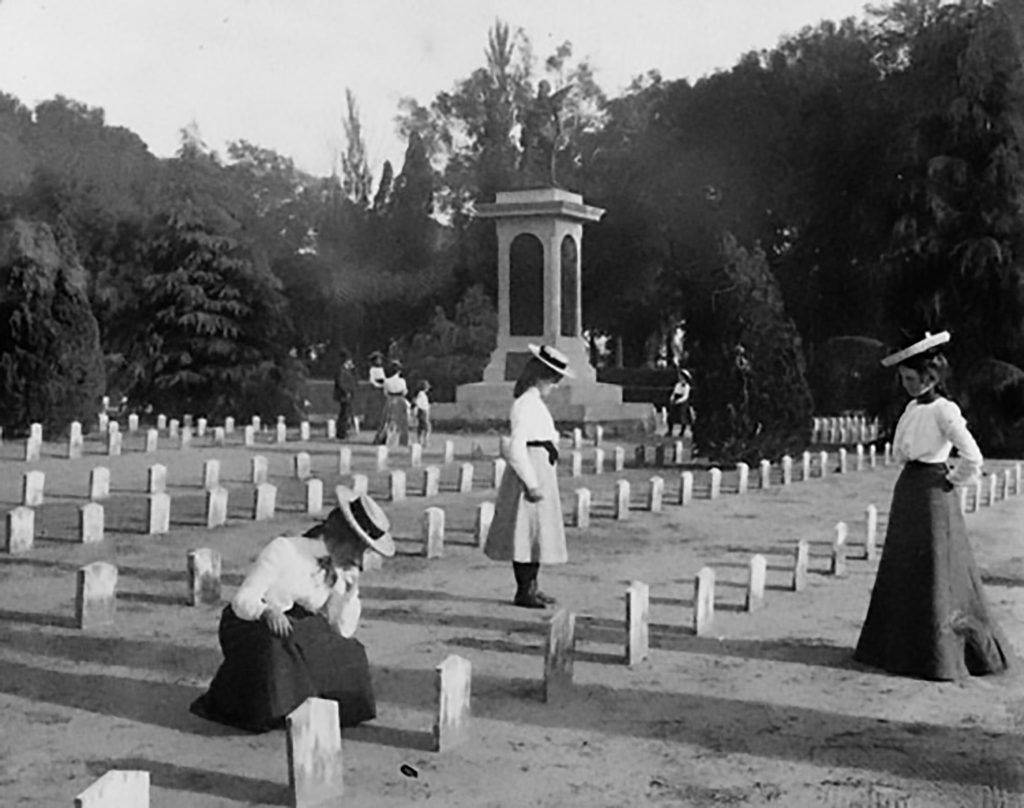
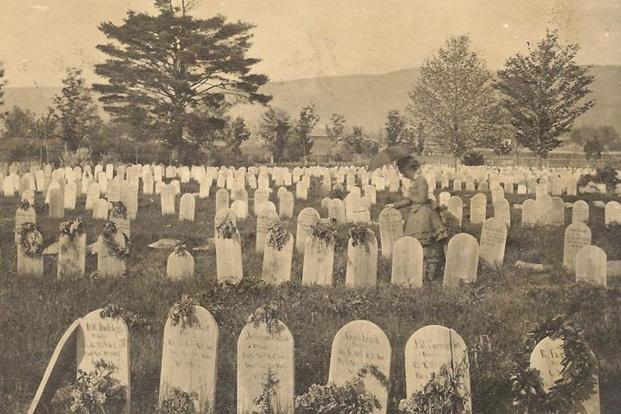
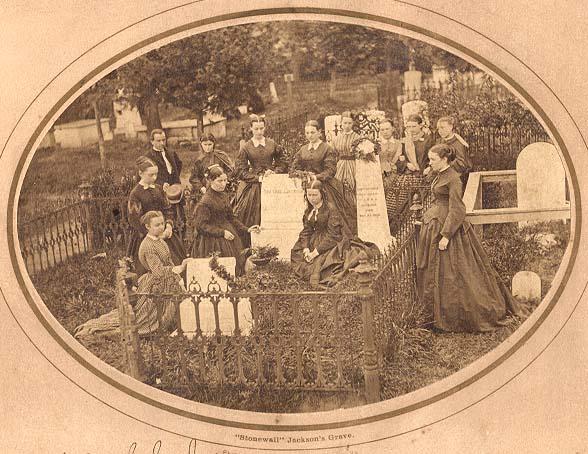
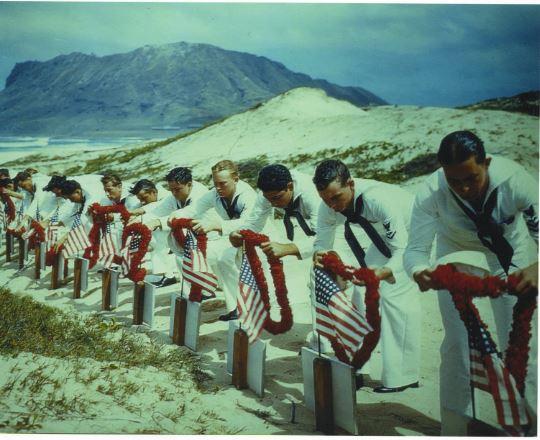
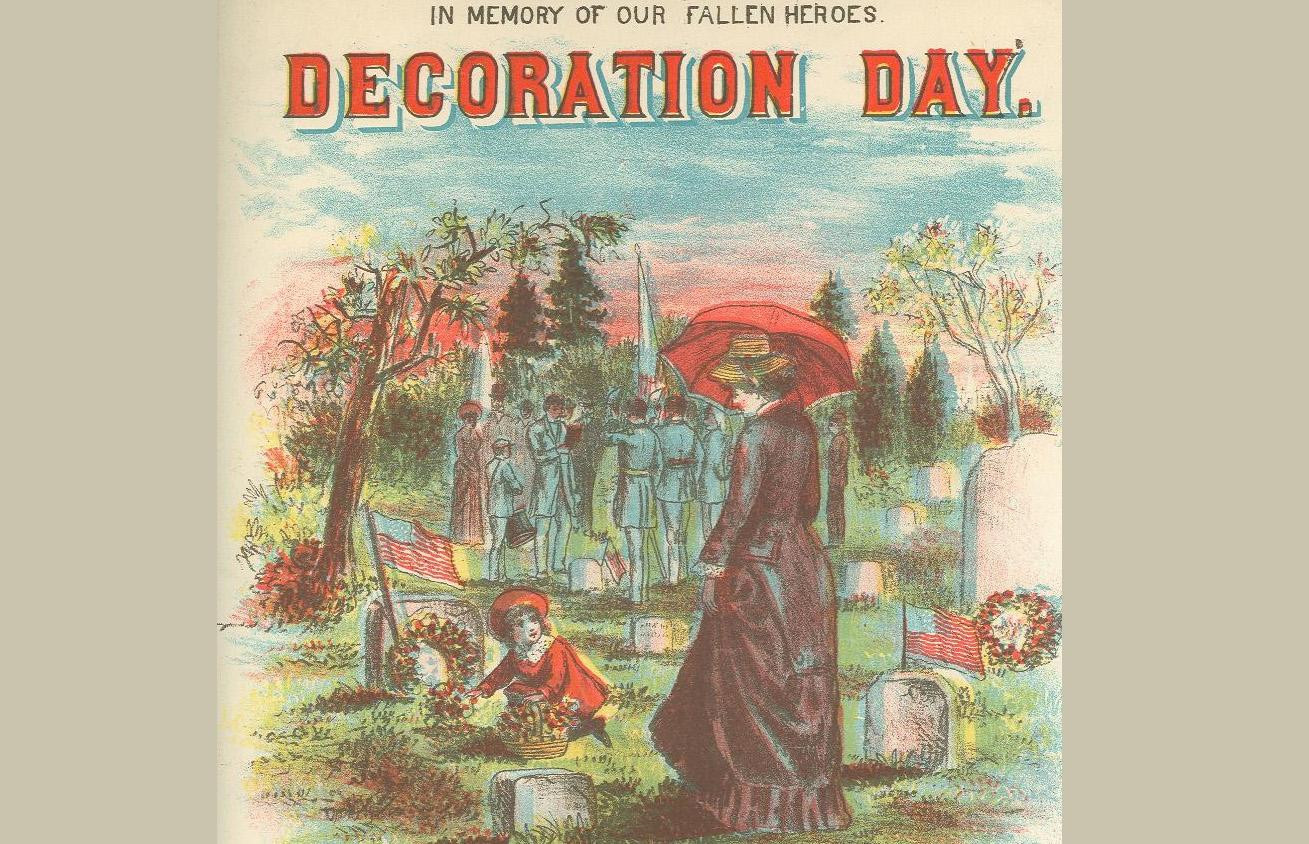
Across the country, communities began holding their own tributes. Women and families would gather in cemeteries to place flowers on the graves of soldiers. Some called it “Decoration Day” because graves were decorated with flowers, ribbons, and flags. There is still debate about which town held the first official observance. Communities in places like Columbus, Mississippi; Waterloo, New York; and Charleston, South Carolina all played a role in the early traditions.
One of the most powerful early moments happened in Charleston in 1865. Just weeks after the Civil War ended, formerly enslaved Black Americans gathered to honor Union soldiers who had died in a Confederate prison camp. The soldiers had been buried in a mass grave. The community worked to properly rebury them, built a fence around the cemetery, and held a massive tribute that included prayers, songs, and thousands of people carrying flowers.
It was not about politics. It was not about winning or losing.
It was about human beings refusing to let the fallen be forgotten.
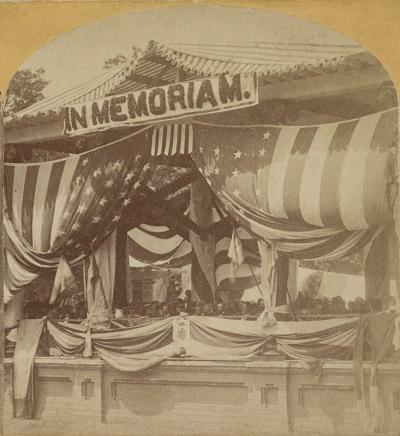
In 1868, General John A. Logan, leader of a Union veterans organization, officially called for a nationwide day of remembrance on May 30. He declared it should be a day to decorate the graves of those who died in service to the country. The date was chosen partly because flowers would be blooming across much of the nation.
At first, Memorial Day primarily honored Civil War soldiers. But after World War I, the meaning expanded to include all American military members who died in service.
And there were many more names to add.
The beaches of Normandy. The jungles of Vietnam. The frozen mountains of Korea. The deserts of Iraq and Afghanistan. Small towns across America continued to send young men and women into war, and some never returned home.
That is the part of Memorial Day that can be hard to sit with.
For every name etched into granite somewhere, there is usually a mother who never stopped missing her child. A spouse who learned how to sleep alone. A child who grew up with photographs instead of memories. A best friend who still thinks about the last conversation they had before deployment.
Sometimes the sacrifice becomes so large and historic that it almost stops feeling personal. But Memorial Day has always been personal.
It lives in folded American flags handed to grieving families.
It lives in old photographs tucked into dresser drawers.
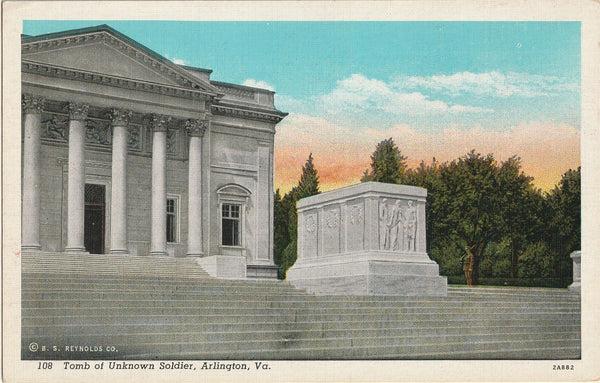
It lives in the silence that falls over cemeteries where rows of white headstones stretch farther than the eye can see.
And maybe that is why Memorial Day still matters, even generations later. Not because Americans glorify war, but because remembering the cost of freedom is part of being human. A nation that forgets its dead risks forgetting the weight of sacrifice itself.
Many of the soldiers remembered this Memorial Day were ordinary people before history called on them. They worked construction jobs, drove tractors, stocked grocery shelves, coached Little League teams, and sat at kitchen tables laughing with their families. Some were barely old enough to shave. Some lied about their age to serve. Some never made it home to become the people they were supposed to be.
That is the heartbreak of Memorial Day.
It is not only about the lives that ended. It is about the birthdays never celebrated, the grandchildren never met, the ordinary moments that disappeared with them.
This Memorial Day, there will still be cookouts and vacations and laughter. There should be. The freedoms Americans enjoy are part of what those service members fought to protect.
But somewhere between the noise and celebration, maybe there should also be a quiet moment.
A pause.
A flag placed carefully against stone.
A name spoken out loud.
Because Memorial Day began for one reason alone: to remember the people who never got to come home.