
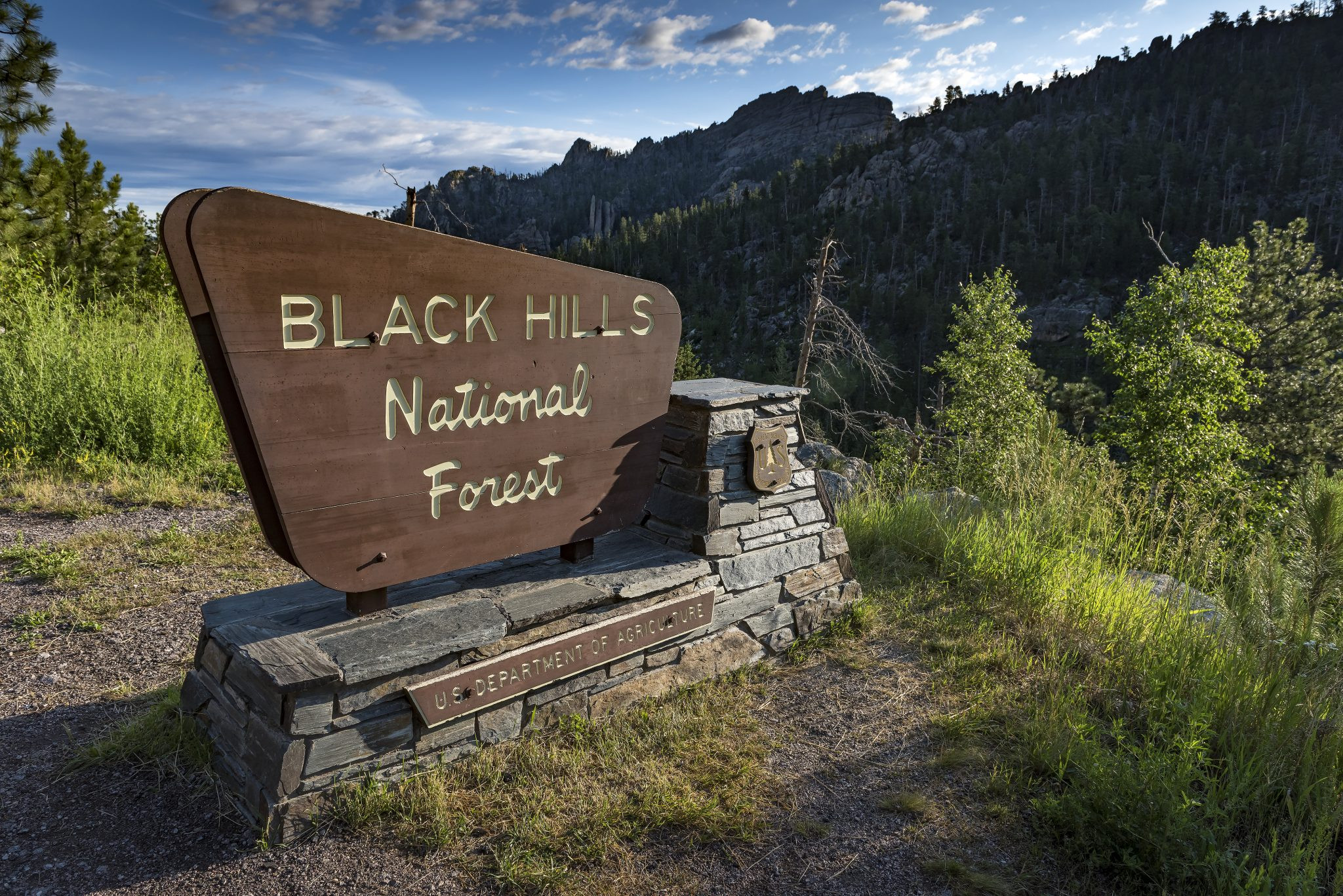
The change would lift a 25-year-old ban on logging, roads and mining in undeveloped forests
WASHINGTON, D.C. – The Trump administration on Tuesday moved to strip protections from nearly 59 million acres of national forest.
The U.S. Forest Service has proposed to rescind the 2001 “Roadless Rule,” which prohibits road construction, logging, mining and certain forest management activities in pristine parts of national forests that don’t currently have roads.
President Donald Trump has rolled back environmental regulations and taken land out of conservation for purposes such as energy extraction.
The latest proposed rule filed by the U.S. Forest Service would rescind the 2001 Roadless Area Conservation Rule, which bans logging, roads, mining and forest management activities in undeveloped forests.
Forest Service officials say more than 40% of inventoried roadless areas have a high or very high wildfire hazard potential. They also say only about 5% of those areas have received hazardous-fuels treatments since 2014.
Environmental groups argue that rescinding the rule would increase wildfire risk by exposing more forest land to human activity. A 2025 analysis by the Wilderness Society found that wildfire density is lowest in wilderness and protected forest areas, and highest in the areas near roads.
The roadless rule was created to protect largely undeveloped forests, including wildlife habitat, watersheds and recreational areas. Conservation groups have historically supported those protections, while supporters of the proposed change say the current rules can make it harder to manage forests and reduce wildfire risks.
More than 95% of the nation’s inventoried roadless areas are concentrated in 10 western states, including Montana, Wyoming, South Dakota’s neighboring states and Alaska. Colorado and Idaho have separate state-specific roadless rules and are not affected by the proposal.
The Forest Service is accepting public comments on the proposal and its draft environmental impact statement through Sept. 21 on Regulations.gov


