
WASHINGTON, D.C. – President Trump appears intent on doing the same thing to ranchers today as he did about this time a year ago.
That’s when some ranchers lost tens of thousands of dollars in market price after Trump said he would quadruple the tariff rate quota on Argentine beef in a bid to reduce consumer beef prices.
Some months later, in February 2026, Trump said he would increase imports of Argentine beef quotas from 20,000 tons to roughly 100,000 tons. In July, Trump exempted beef from new 25% tariffs on Brazilian goods, disappointing cattlemen’s groups once again who had argued meat imports were undercutting U.S. ranchers.
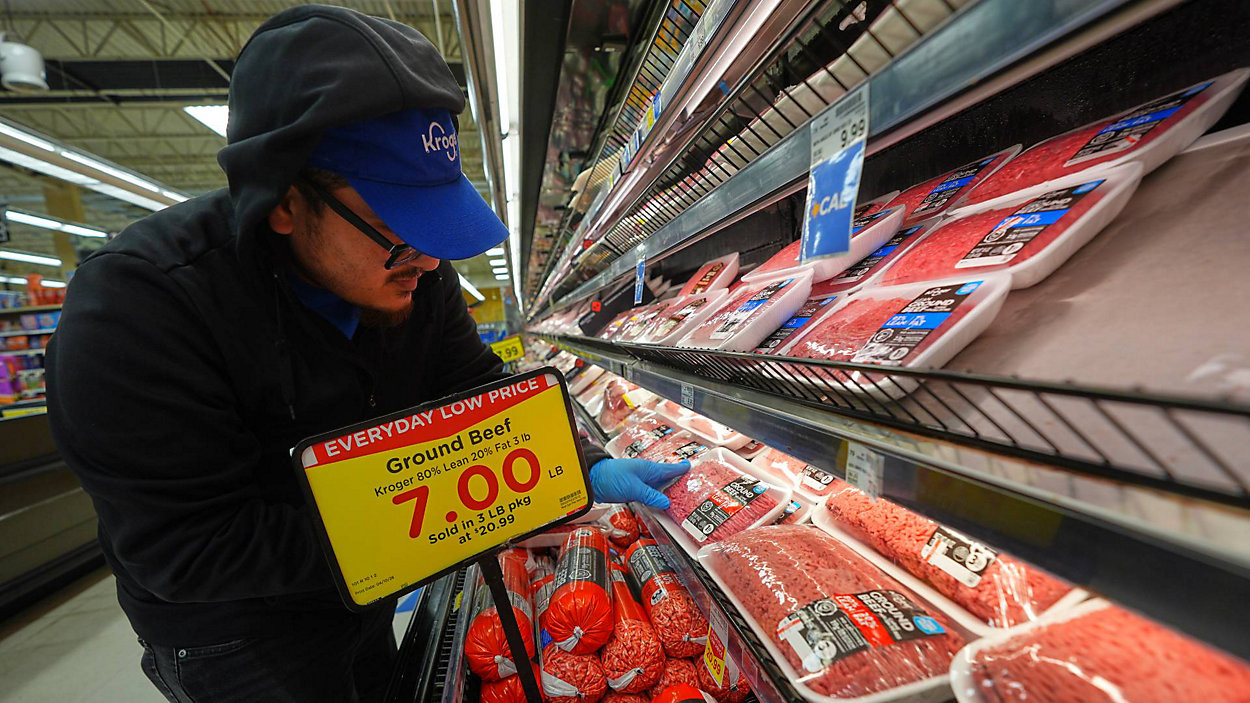
Last week, President Trump announced another plan – this one to allow an extra 300,000 metric tons of foreign beef into the U.S. without over-quota tariffs for 90 days. The administration stated the goal is to lower grocery and beef prices for consumers.
Major U.S. cattle and agricultural organizations have now sent joint letters to Trump in August 2026 to urge the immediate reversal of his administration’s 90-day beef import plan.
American Farm Bureau Federation President Zippy Duvall, Livestock Marketing Association President Joe Goggins, National Cattlemen’s Beef Association President Gene Copenhaver and United States Cattlemen’s Association President Justin Tupper signed a joint letter expressing “deep concern” with the plan to import up to 300,000 metric tons of beef.
According to the letter, the stated purpose of the plan is to drive down beef prices, including selling imported product at prices that undercut domestic supplies. The livestock leaders argue that approach sends a discouraging message to U.S. farmers and ranchers.
The groups said they share the goal of keeping groceries affordable for American families but contend that increasing discounted foreign beef supplies is not a long-term solution.
“Flooding the market with discounted foreign beef is not the way to rebuild the American cattle herd, strengthen food security, or lower grocery bills in a lasting way,” the groups wrote.
The letter states that the announcement has already driven cattle markets sharply lower and comes at a critical time as producers market cattle and make decisions about rebuilding their herds.
The organizations also point to the higher costs producers have faced in recent years. They argue current beef prices reflect increased costs associated with raising cattle, grain and forage.
According to the letter, ranchers and farmers are beginning to experience the strong beef demand needed to reinvest in their operations following years of drought, high input costs, processing plant disruptions and other challenges that have reduced U.S. cattle numbers.
The groups warn that an influx of imported beef could discourage that investment and slow efforts to rebuild the U.S. cow herd.
They also frame the issue as one of long-term food security, arguing that using imports to address prices in the short term could have longer-term consequences for domestic beef production.
“We are deeply concerned that this import strategy sacrifices long-term food security for a short-term solution,” the organizations wrote.
The letter concludes by calling for fair and competitive cattle markets, honest price signals and policies that prioritize U.S. farmers, ranchers and consumers.
The four presidents are asking the administration to reverse course on the 90-day import plan and instead work with the livestock industry on policies they say would keep food affordable while strengthening domestic production.
“We stand ready to work with you on policies that keep food affordable, protect producers and consumers, and preserve a viable future for the U.S. cattle industry,” the letter states.


