
Among the most powerful evidence presented was the extent to which imported lamb consistently undersells American lamb
DENVER, CO – The American Sheep Industry Association (ASI) presented testimony to the U.S. International Trade Commission (ITC) on October 16, demonstrating the serious challenges facing American lamb producers and processors as a result of surging low-priced imports.
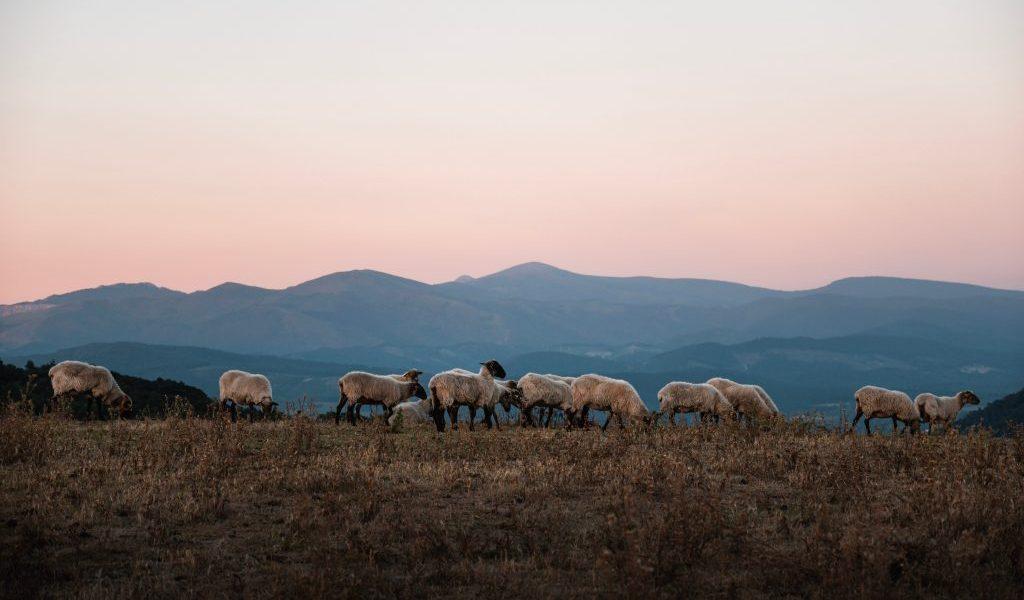
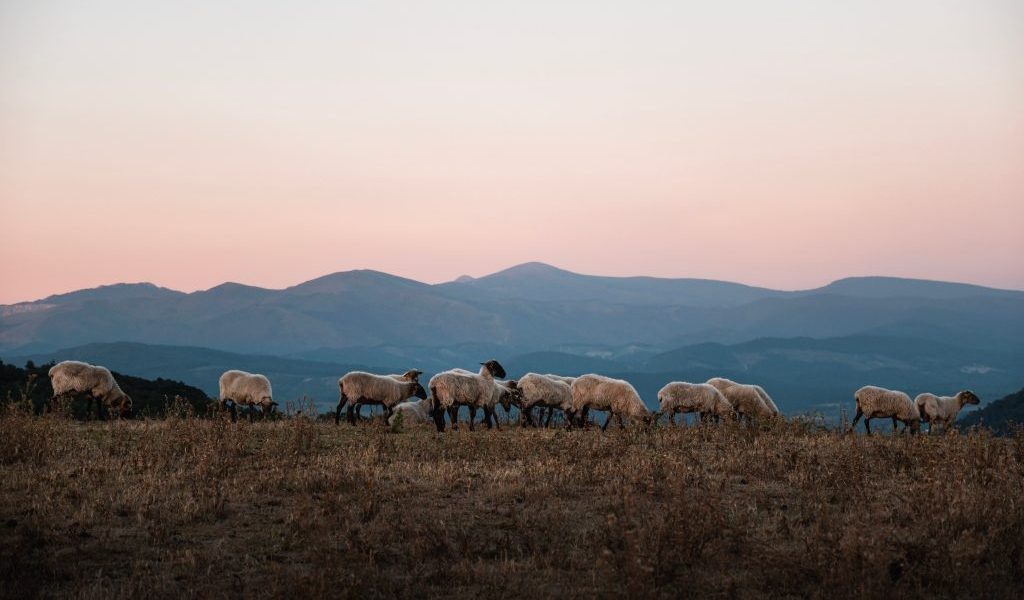
Sheep ranchers and processors from across the country shared firsthand accounts of shrinking market opportunities, financial pressure, underutilized processing facilities and the growing difficulty of competing against imported lamb from Australia and New Zealand. Their testimony put a human face on an extensive economic record and reinforced what American sheep producers have experienced for years: the U.S. sheep industry is willing and able to compete, but it needs a fair opportunity to do so.
“American producers are ready and willing to supply high-quality lamb to the U.S. market if given a fair opportunity to do so,” said Brad Boner, past president of ASI and owner of M Diamond Angus in central Wyoming. “I have been in the sheep business for 45 years, and I can tell you that imports from Australia and New Zealand have been a problem for a very long time. Time and again, low-priced imports come into the U.S. market and drive down prices and sales.”
Among the most powerful evidence presented was the extent to which imported lamb consistently undersells American lamb. ASI’s economic experts highlighted data showing that imports undersold domestic lamb in more than 90% of price comparisons, while approximately 90% of responding purchasers identified lower prices as a reason for buying imported product. The testimony also demonstrated how imports have captured market share even as American producers have invested in modern processing facilities and worked to improve efficiency and promote lamb consumption.
ITC Commissioners engaged extensively with witnesses, asking detailed questions about import competition, prices, domestic production, processing capacity, and the causes of the industry’s difficulties. The hearing provided an important opportunity to demonstrate that low-priced imports are a central factor in the industry’s challenges.
The hearing marks a major milestone in the 201 Trade Case, but the process is not yet complete. ASI and its legal and economic teams will submit additional information and responses to the Commissioners’ questions by October 23.
The Commission has tentatively scheduled its injury determination for November 13. An affirmative determination would advance the case to the next phase – remedy, in which the Commissioners would consider suggested remedies to help restore the competitiveness of American lamb production.
Regardless of the outcome, ASI remains committed to rebuilding the domestic sheep industry, strengthening its processing infrastructure and ensuring that American producers have a viable future.
“While we cannot predict the outcome of the Commission’s findings, ASI is very proud of the testimony provided by our producers, and we are deeply pleased with the active engagement and thoughtful attention from the Commissioners throughout this process,” said Mike Michener, ASI executive director. “The overwhelming evidence presented regarding price underselling clearly demonstrates the negative impact these market conditions are having on our domestic industry. We look forward to the Commission’s review of the data and testimony as we continue through the injury phase of the case.”
Producers and industry supporters can follow the case and contribute to ASI’s ongoing advocacy fund at www.sheepusa.org/issues/asi-trade-case.