
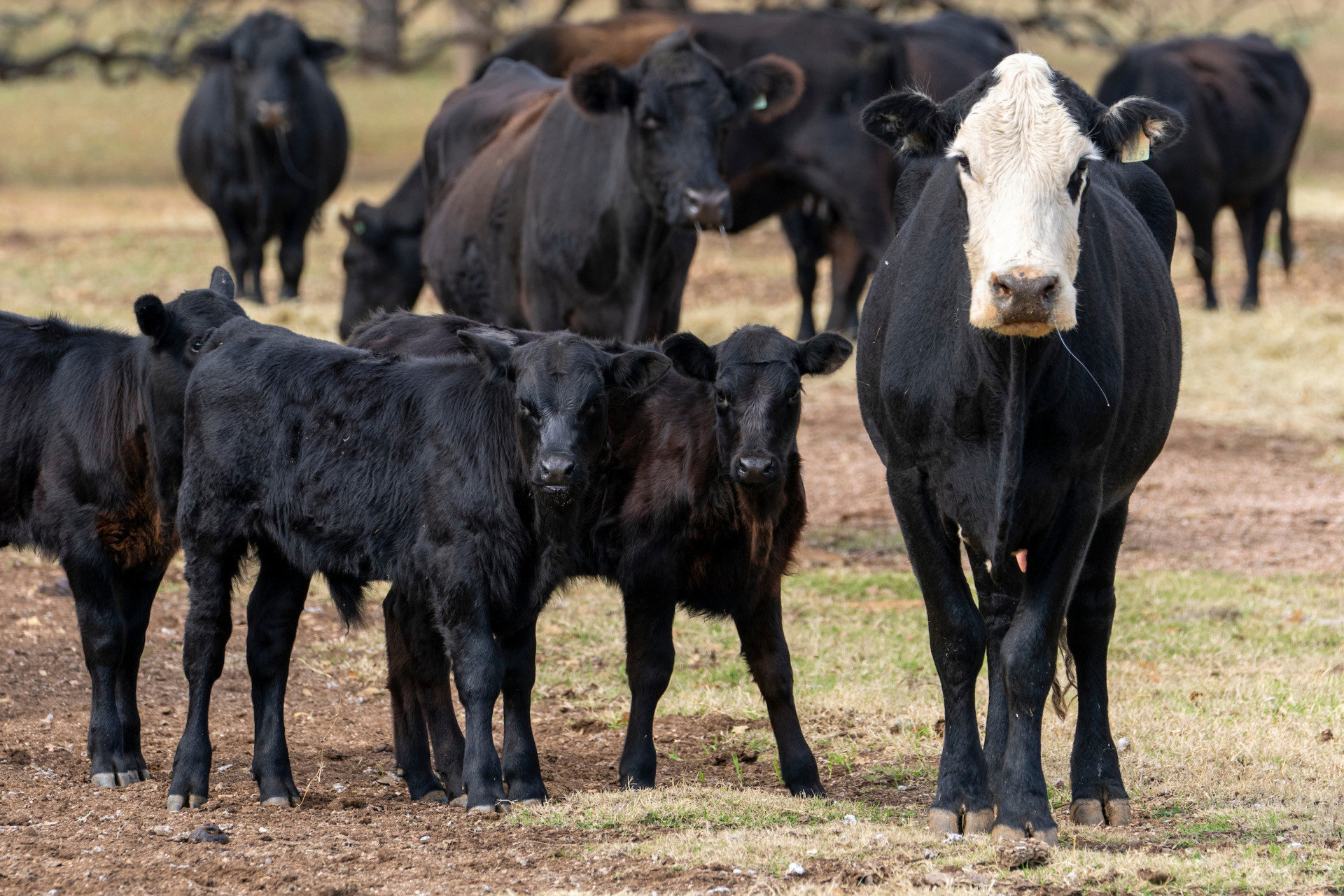
If the parasite breaches containment and hitches a ride northward on transported livestock, the consequences for the region’s massive herds would be immediate and severe
LA PRYOR, TEXAS — Federal and state agriculture officials have launched an aggressive emergency response in South Texas following the first confirmed U.S. case of the New World screwworm in six decades.
The U.S. Department of Agriculture (USDA) confirmed that the flesh-eating parasite was detected in the umbilical area of a 3-week-old calf in Zavala County, roughly 50 miles from the Mexican border. The discovery marks the first time the pest has threatened America’s livestock industry on domestic soil since it was largely eradicated in 1966.
Texas State Veterinarian Bud Dinges immediately established a 12-mile quarantine zone around the affected area in La Pryor. Under the emergency order, no warm-blooded animals—including livestock, horses, and household pets—are permitted to leave the zone without undergoing a strict regulatory inspection.
U.S. Agriculture Secretary Brooke Rollins emphasized that the single detection has been heavily contained.
“Our food supply is 100% safe,” Rollins said in a statement. “This New World screwworm detection is being fully contained and is not a harm to the American food supply or consumer safety.”
Officials added that because the parasite is an infestation of living tissue and not a systemic disease, it poses zero threat to meat, poultry, eggs, or consumer products. With proper veterinary treatment, the infested calf is expected to fully recover.
Despite its name, the New World screwworm (Cochliomyia hominivorax) is not a worm, but the larvae of a tropical parasitic fly.
Unlike common maggots that feed exclusively on dead tissue, female screwworm flies lay hundreds of eggs at the margins of open wounds or mucous membranes on warm-blooded animals. Within 12 to 24 hours, the larvae hatch and use hook-like mouthparts to burrow into and consume live flesh. Even minor breaks in the skin—such as a tick bite, standard branding, or a newborn animal’s navel—can trigger a fatal infestation if left untreated.
While the parasite primarily targets livestock and wildlife, it can rarely affect humans who have open wounds. In Central America and Mexico, where an ongoing outbreak has been moving northward since 2023, the parasite has sickened over 171,000 animals and more than 2,000 people.
The agricultural sector has been bracing for this arrival for over a year. Ever since a case was detected in southern Mexico in late 2024, the USDA halted live cattle imports from Mexico, upending North American cattle trading to protect the domestic herd.
The stakes for the industry are staggering:
- Market Shock: Following the USDA’s announcement, feeder cattle futures markets reacted instantly, dropping more than $5 per hundredweight across contracts.
- Economic Risk: Texas is the nation’s largest cattle-producing state. The USDA estimates that a widespread, uncontained outbreak could cost Texas livestock producers hundreds of millions of dollars, dealing a total economic blow of $1.8 billion in livestock losses, treatment costs, and restricted exports. +1
Deploying the “Sterile Fly” Weapon
To eliminate the pest, the federal government is deploying the same biological strategy that worked in the 20th century: the sterile insect technique.
Because female screwworm flies mate only once in their lifetime, scientists breed and release millions of male flies sterilized via radiation. When they mate with wild females, the resulting eggs fail to hatch, causing the population to collapse. +1
The USDA is currently ramping up infrastructure to distribute up to 500 million sterile flies per week. While state officials have criticized federal agencies for not stopping the fly at the border, USDA Under Secretary Dudley Hoskins stated that extensive trapping and border modeling over the last year successfully “bought time” to prepare the necessary tools. +1
Ranchers, pet owners, and residents in South Texas are being urged to maintain strict “eyes on animals,” inspecting livestock daily for unusual discharges, and reporting any suspected larvae to local veterinarians immediately.
The Ripple Effect: Great Plains Braces for Impact
While the containment efforts remain focused on South Texas, the agricultural heartland of the Great Plains—spanning from Oklahoma through Kansas, Nebraska, and up into the Dakotas—has gone on high alert. State veterinarians and wildlife biologists across the region are issuing urgent guidance to ranchers and land managers, warning that a failure to contain the fly in Texas could trigger a catastrophic ecological and economic domino effect across the Plains.
The Great Plains represents the dense core of the American beef industry. If the parasite breaches containment and hitches a ride northward on transported livestock, the consequences for the region’s massive herds would be immediate and severe:
- The Vulnerability of Branding and Calving: Standard ranching operations in the Great Plains heavily rely on procedures that leave open wounds, such as spring branding, castration, and dehorning. During a screwworm outbreak, every single one of these routine procedures becomes a potential death sentence for an animal if not aggressively managed with topical pesticides.
- The Summer Pasture Risk: Plains cattle spend the warm months grazing over vast, open rangelands. Unlike intensive dairy farms, rangeland cattle are not inspected individually every day. An infestation born from a simple barbed-wire scrape or a horn fly bite could easily go unnoticed for days, leading to horrific tissue destruction, secondary infections, and rapid mortality before a wrangler ever spots the distressed animal.
- Movement Restrictions: State agencies are already tightening the hatches. The Kansas Department of Agriculture (KDA) announced it is actively coordinating with the USDA, preparing to enforce strict health certificates and individual “wound-free” physical inspections for any livestock entering from southern states.
“While this new confirmed case in Texas is a serious concern, we have been preparing for this scenario for over a year,” said Dr. Justin Smith, Kansas Animal Health Commissioner, urging Plains producers to exercise absolute vigilance when moving animals.
Ecological Danger: Great Plains Wildlife at Risk
Perhaps the most unpredictable and terrifying element of a New World screwworm reintroduction is its impact on native wildlife. Unlike domestic cattle, wild animals cannot be rounded up, treated with larvicides, or kept in clean pens.
Biologists warn that several iconic Great Plains species are hyper-vulnerable to the flesh-eating pest:
| Species | Primary Screwworm Vulnerability | Ecological & Economic Impact |
| White-tailed & Mule Deer | Velvet shedding on antlers creates massive patches of exposed, bloody tissue that act as a primary magnet for female flies. Newborn fawns are also highly targeted via their umbilicus. | Historically, screwworm outbreaks have caused up to 80% mortality in fawn crops, threatening to decimate local populations and crush the multi-million dollar hunting and ecotourism economies. |
| Pronghorn Antelope | Fawning seasons align perfectly with peak summer fly activity. They are also prone to scrapes from traversing the endless miles of Great Plains barbed-wire fencing. | Pronghorn populations in the northern Plains are already sensitive to harsh winters; a parasitic outbreak could trigger localized population collapses that would take decades to recover from. |
| Bighorn Sheep | Rutting season injuries, ramming wounds, and rugged terrain make tracking and treating infected individuals nearly impossible. | Can cause severe disruptions in fragile, isolated mountain and badland ecosystems where bighorn populations are already intensely managed. |
If the fly establishes a foothold in the wild populations of the Great Plains, wildlife acts as a permanent, untreatable reservoir. The flies would continually spill back out of the wilderness to re-infect commercial cattle herds, creating an endless, cycle of financial loss and animal suffering for the American West.
U.S., producers should stay aware and monitor livestock closely, especially young calves and animals with open wounds.
Things to watch for:
• Deep, round wounds that do not appear to heal normally
• Bloody or draining lesions
• A foul odor from wounds
• Visible maggots in wounds
• Irritation or animals repeatedly bothering a wound site
As seen in South Texas, New World screwworm commonly affects the navels of newborn calves, but female flies can lay eggs in any open wound.
If noticing suspicious wounds or unusual infestations, contact a veterinarian promptly and report suspected cases to the appropriate animal health officials.
If observing suspected infestations in live or recently deceased wildlife, especially near the U.S.-Mexico border, report them to USDA Wildlife Services at 866-487-3297.
Texas producers can also report suspected livestock cases to the Texas Animal Health Commission at 1-800-550-8242.
For more information visit www.screwworm.gov


