
Picture this. You or someone you love ends up in the hospital, and a doctor you’ve never seen before walks through the door. They seem completely up to speed on everything. They’re calm, they’re focused, and they’re clearly in charge. But you have no idea who they are or where they came from.
That doctor is called a hospitalist. And there’s a good chance you’ve never heard that word before.
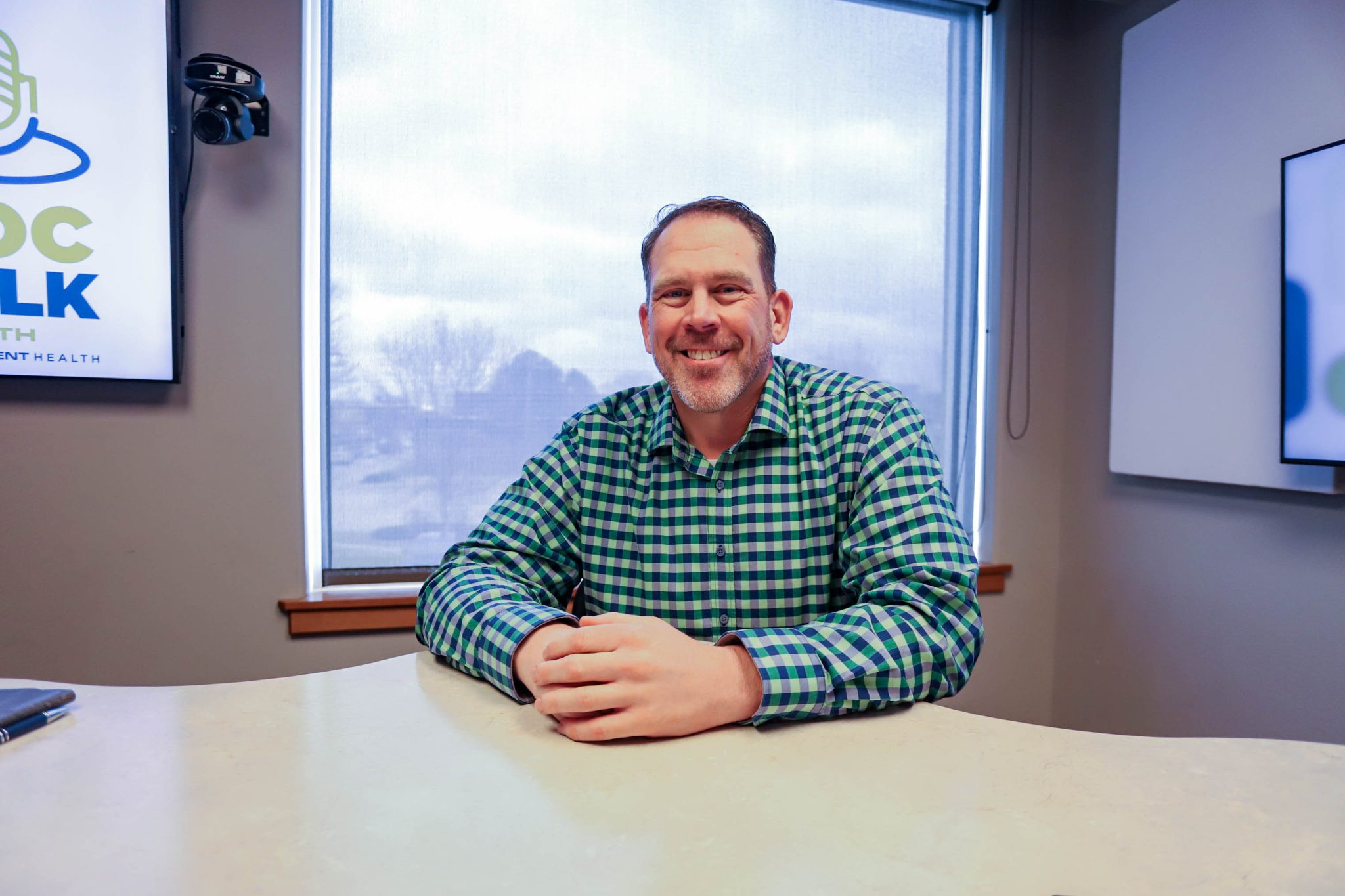
Dr. Matt Werpy leads the hospitalist program at Monument Health in Rapid City, South Dakota. He mentioned something from a recent national conference that stuck with him. A study of more than a thousand hospital patients found that only about 48 percent of them knew what a hospitalist was.
“To me, that seems pretty low,” he said. It is.
What a Hospitalist Actually Does
A hospitalist is a physician whose entire practice happens inside the hospital. From the moment you’re admitted to the moment you’re discharged, they’re the doctor coordinating your care. Dr. Werpy describes it as being the quarterback.
They’re managing your condition, connecting you with specialists when needed, and keeping all the threads of your care from unraveling. When you need a cardiologist or a pulmonologist, they bring that person in. When your situation doesn’t require a specialist, they handle it themselves.
Heart failure, kidney problems, acute lung issues, complex GI concerns. Hospitalists are trained to manage all of it.
So Where’s Your Regular Doctor?
This is the question most people have. If you already have a family medicine doctor, why isn’t that person walking through the door?
The short answer is that the healthcare system has made it nearly impossible for one physician to practice both inside and outside the hospital effectively. Your primary care doctor is seeing 20 to 30 patients a day in their clinic. Stepping away to manage a seriously ill hospital patient on top of that, and being consistently present enough to catch problems as they develop, isn’t realistic anymore.
There’s also the issue of complexity. People are living longer, but often with more chronic conditions piled on top of each other. When one destabilizes, it creates a scenario that requires specialized inpatient expertise, not a rushed visit from an overextended clinic physician.
Hospitalists exist because inpatient medicine has become its own discipline.
A Program That’s Grown Considerably
The word “hospitalist” was coined in a 1996 New England Journal of Medicine article describing what was then a brand-new specialty. It took until 2004 for the model to take hold in Rapid City, when Monument Health started with four physicians.
Today, that program has 56 physicians. Dr. Werpy took over as medical director in 2017, when the group had 28 doctors and roughly half of coverage was filled by traveling locum physicians. Locum physicians are traveling doctors who fill coverage gaps on a temporary basis, moving between hospitals and health systems as demand requires. He’s spent the years since building a team of local, employed physicians who are embedded in the community.
Hospitalist medicine is now the fastest-growing specialty in the United States, and Monument Health’s trajectory mirrors what’s happened nationally.
The Trust Problem, and How They Work Through It
There’s an obvious challenge in what hospitalists do. They’re meeting patients, often for the very first time, at some of the most frightening moments of those patients’ lives. Building trust in that window is genuinely hard.
Dr. Werpy’s approach centers on preparation. Before walking into a room, hospitalists review chart history, clinical documentation, and anything else available through Monument Health’s electronic records. By the time they introduce themselves, they already have a working understanding of who that patient is medically.
He’s also candid about where the system works best: when patients have an established primary care physician. Hospitalists coordinate the handoff on both ends. When someone arrives without a primary care doctor, the team works to get them connected before discharge, because that relationship is what keeps everything functioning.
What Drives Someone to Do This Work
Monument Health covers a region stretching from western South Dakota into Nebraska, Wyoming, Montana, and North Dakota. For many patients, the alternative to local care is a transfer to Denver or Sioux Falls, sometimes further.
“I want to provide that for my patients. As a physician leader, I want to provide that for our region,” Dr. Werpy said.
Having 56 physicians who’ve built their lives in this community and show up every day for the people in it is, ultimately, the whole point.


