
Most of us hear the words “palliative care” and our brain goes somewhere dark. We assume it means someone’s running out of time. We picture hospital hallways and hard conversations nobody wants to have. That makes sense, because we’ve never really been taught what it is. We’ve only heard it come up when things got serious.
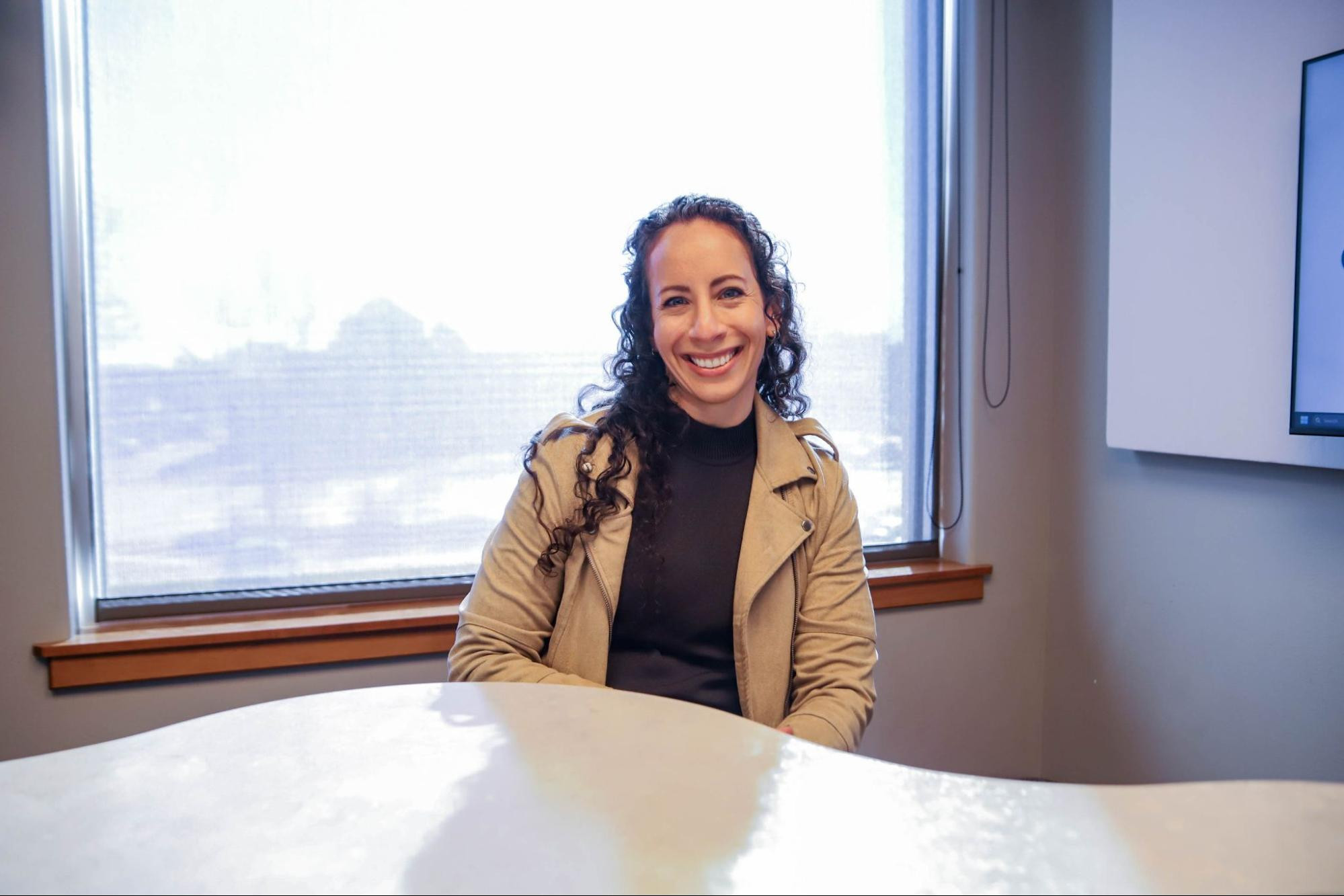
But Dr. Jennifer Eitingon wants to change that. She’s a palliative care physician who trained at Johns Hopkins, worked in one of Maryland’s top hospice programs, and recently made her way to Rapid City. She’s already pushing back on the biggest myth in her field.
“Palliative care is a specialty, like cardiology, like gastroenterology,” she says. “It focuses on symptom management. Things like pain, shortness of breath, nausea, constipation. All the things that make us feel crummy.”
You don’t have to be dying to see a palliative care provider. You don’t have to be enrolled in hospice. If you’re living with a chronic illness and your symptoms aren’t being managed well, you can ask to see someone in palliative care. There’s an outpatient clinic right here in Rapid City, and you can make an appointment directly without going through your primary care doctor first.
Hospice Is Under That Same Umbrella
Here’s where people get tangled up. Palliative care is the broad category. Hospice sits underneath it. As Dr. Eitingon explains it, “Palliative care is the kind of care given in hospice, but you don’t have to be in hospice to get palliative care.”
Hospice is an insurance benefit for patients who have reached a point where focusing on comfort makes more sense than continuing aggressive treatments. It’s not a death sentence and it’s not a clock. For patients with life-limiting diseases, hospice care can actually extend life, because reducing the stress of constant hospital visits and unmanaged symptoms gives the body more room to function.
“Hospice is not a time stamp on somebody’s life,” she says. “But very often, focusing on symptoms rather than recurrent interventions can actually prolong life.”
She Didn’t Always Know This Was Her Path
Dr. Eitingon started as a surgical resident. She was certain that was her direction. Then she started watching what happened to patients at the end of their lives, and something shifted.
“It felt like we were always offering them more interventions, more surgeries,” she says. “What we really needed to do was sit down and have those hard conversations.”
One patient stuck with her. A woman who had been in the hospital for months with wounds on her stomach and her back. Every day the team changed her dressings. Every day she had to roll over, and it was painful, and she was becoming more and more withdrawn. Eventually she lost the capacity to make decisions for herself. Dr. Eitingon stopped and asked herself the honest question: “What are we doing? Are we doing things that are improving her life? Or should we be reevaluating our care plan?”
That was the moment. She pivoted, finished her residency at Billings Clinic, completed her fellowship at Johns Hopkins, and has spent her career since then specializing in palliative care and bioethics.
What She Really Wants Families to Know
If you’ve got a parent, a spouse, or someone close to you dealing with a serious illness, Dr. Eitingon’s advice starts with a simple reframe. Stop thinking about how long and start thinking about how well.
“All of us want to live as well as possible, for as long as possible,” she says. “‘As long as possible’ is an objective measure. But ‘as well as possible’ is different for different people.”
For some, continuing aggressive treatment fits their values, their faith, their sense of control. For others, the most important thing is uninterrupted time at home with family. Neither answer is wrong. Her job is to figure out which one fits each person and build a care plan around that.
She also puts weight on advanced directives, five wishes, and care planning documents. Getting that paperwork done while you’re healthy is one of the kindest things you can do for your family.
Getting to Know Rapid City
Dr. Eitingon is candid about being new here. She’s noticed that people in the Black Hills tend to be, in her words, “tough as nails.” She’s curious whether that toughness makes these conversations harder, or whether people who live close to the land are actually more comfortable with the topic than outsiders expect. She’s also looking forward to learning about the Lakota community and the beliefs that shape how people here think about illness and dying.
The Monument Health palliative care department includes three doctors and two nurse practitioners, with both inpatient and outpatient services available. You don’t have to wait until things get dire to have this conversation. That’s kind of the whole point.


