
RAPID CITY, S.D. — Twenty-five years have passed since terrorists hijacked four airplanes on Sept. 11, 2001, killing 2,977 people in attacks on the World Trade Center, the Pentagon and aboard United Airlines Flight 93.
The attacks happened more than a thousand miles from South Dakota, but their impact quickly reached the state. South Dakotans responded to the devastation, National Guard members were called to new security missions and military personnel from Ellsworth Air Force Base would eventually serve in the wars that followed.
Some South Dakotans traveled directly to the sites affected by the attacks. Red Cross volunteers from Rapid City assisted with recovery efforts at the Pentagon, while police officers from Mitchell and Yankton traveled to New York to provide stress-management assistance.
Others found ways to help from home. Farmers and ranchers sold cattle and grain and donated the proceeds to relief efforts. Don and Adeline Hight of Murdo sold 100 calves, raising about $40,000 for victims. Employees at Luverne Fire Apparatus in Brandon volunteered about 2,000 hours to build a firetruck that was donated to New York City.
The attacks also changed security in South Dakota. Members of the South Dakota National Guard were called upon to help protect commercial airports as security increased across the country.
The effects became especially personal at Ellsworth Air Force Base. Ellsworth’s B-1 bombers and airmen supported military operations launched in the years following the attacks, including operations in Afghanistan and Iraq. Deployments became a part of life for military families across the Black Hills.
Some of those families would experience losses of their own. Senior Airman Jonathan Yelner, a weapons load crew member assigned to Ellsworth’s 28th Aircraft Maintenance Squadron, died April 29, 2008, after his vehicle encountered an improvised explosive device near Bagram Air Base in Afghanistan. Yelner had previously helped support Afghanistan’s first presidential election and had served in Iraq before deploying again to Afghanistan. He was posthumously awarded the Bronze Star Medal.
A year later, Staff Sgt. Bryan Berky, an explosive ordnance disposal technician stationed at Ellsworth, was killed in combat in Afghanistan. Berky was 25 and on his third overseas tour. His wife and infant son lived in the Black Hills.
The losses continued as America’s longest war stretched on. Special Agent Peter Taub, assigned to the Air Force Office of Special Investigations Detachment 816 at Ellsworth, died after a suicide bomber on a motorcycle attacked near Bagram Airfield in Afghanistan on Dec. 21, 2015. The following year, the OSI building at Ellsworth was renamed the Taub Building in his honor.
The impact extended far beyond Ellsworth. In marking the 20th anniversary of the attacks in 2021, South Dakota officials said 36 South Dakotans had died while serving overseas during the War on Terror.
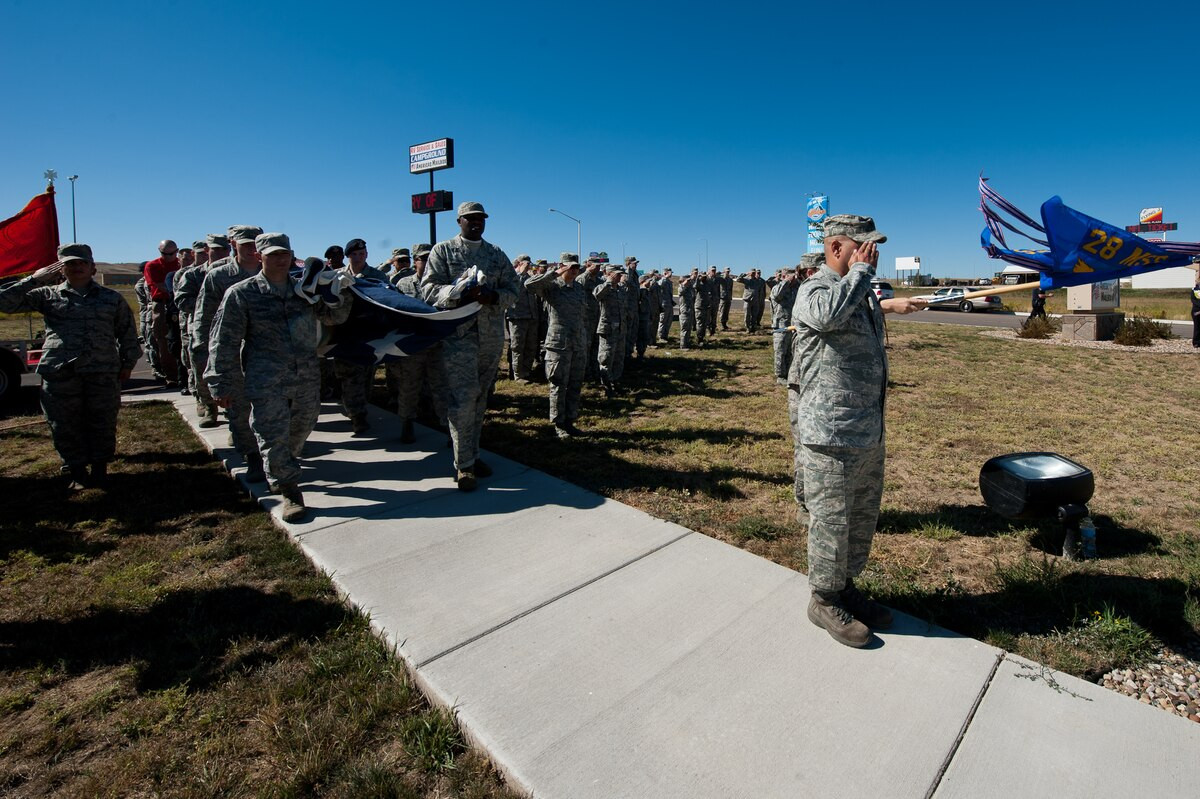
The connection between the military, first responders and Sept. 11 has remained visible in the Black Hills. In 2012, more than 150 Ellsworth airmen, Air Force civilians and area emergency responders participated in an 11-mile remembrance ruck march. The group traveled from Ellsworth to Rapid City, honoring those killed on Sept. 11 and service members who died in the years that followed.
Patriot Day is now observed each Sept. 11 to remember those killed in the attacks and honor those who responded. For South Dakota, the impact of Sept. 11 can be measured in more than changes to airport security or military missions. It can also be found in the Rapid City volunteers who traveled to the Pentagon, the ranchers who sold their livestock to help strangers, the airmen who deployed from Ellsworth and the families who waited for them to come home. Twenty-five years later, some did not.


