
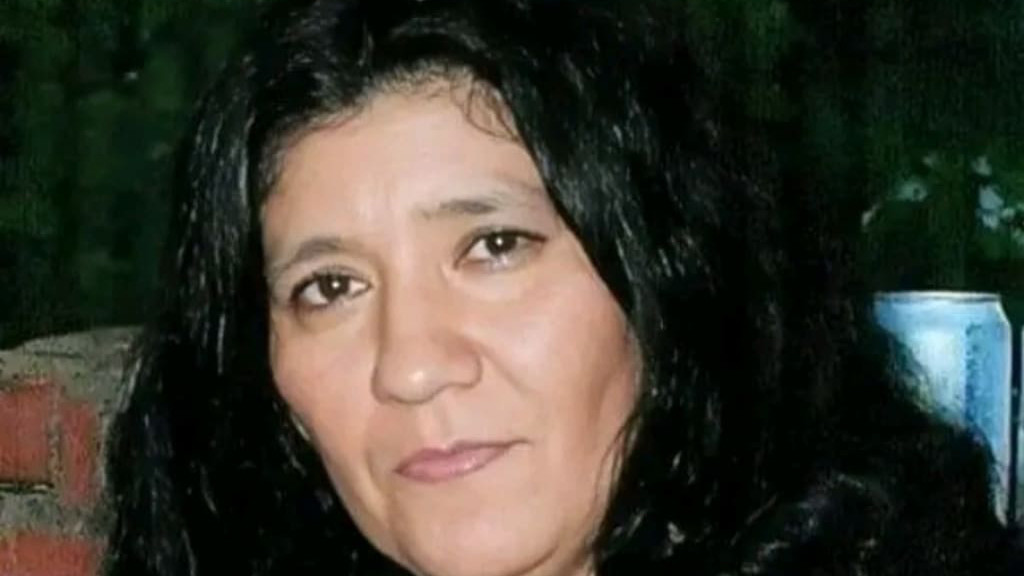
BELLE FOURCHE, SD — On October 17, 2003, Beverly Ozuna-Ulrich, an Oglala Lakota tribe member, disappeared without a trace after leaving a home in Belle Fourche, and after decades of investigation into the resulting cold case, arrests have finally been made, which may lead to justice for Ozuna-Ulrich, who has been presumed dead by her family since at least 2005.
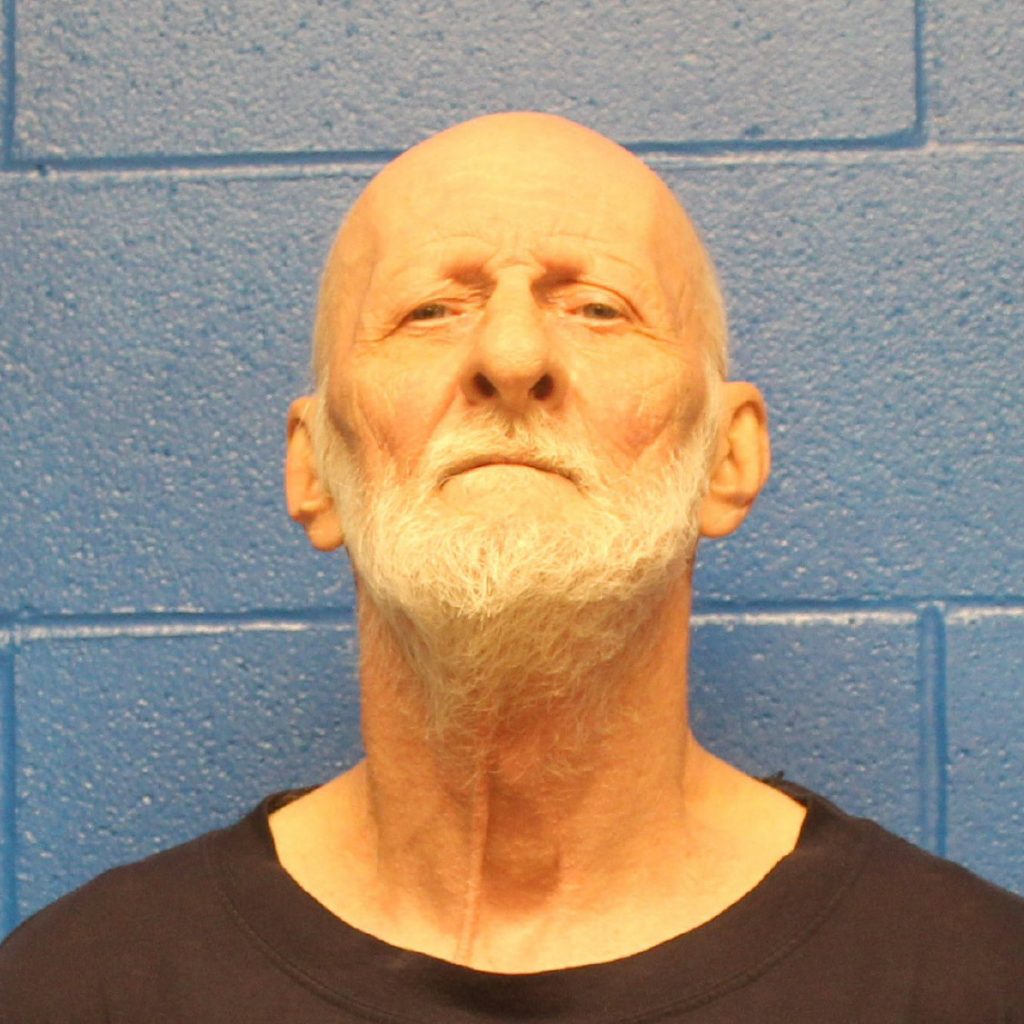
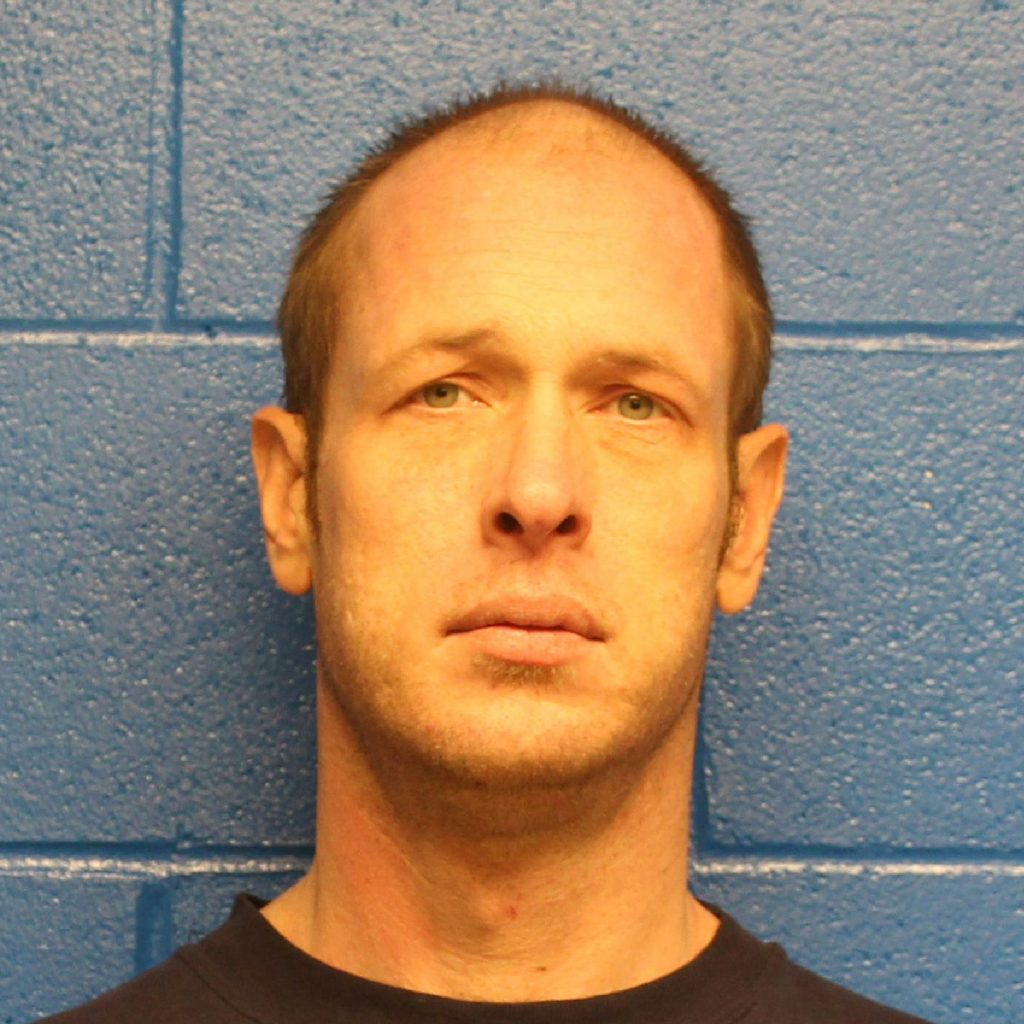
It has been 22 years since then, and the first signs of life potentially point to a resolution to this significant South Dakota cold case with the arrest of Stephen Lee Ulrich and Max Piekkola. Both are, of course, innocent until proven guilty, and the case is ongoing within the legal system; however, this heartbeat in what was long considered an unsolved case signals a commitment by local and state law enforcement to see the incident bookended.
Background
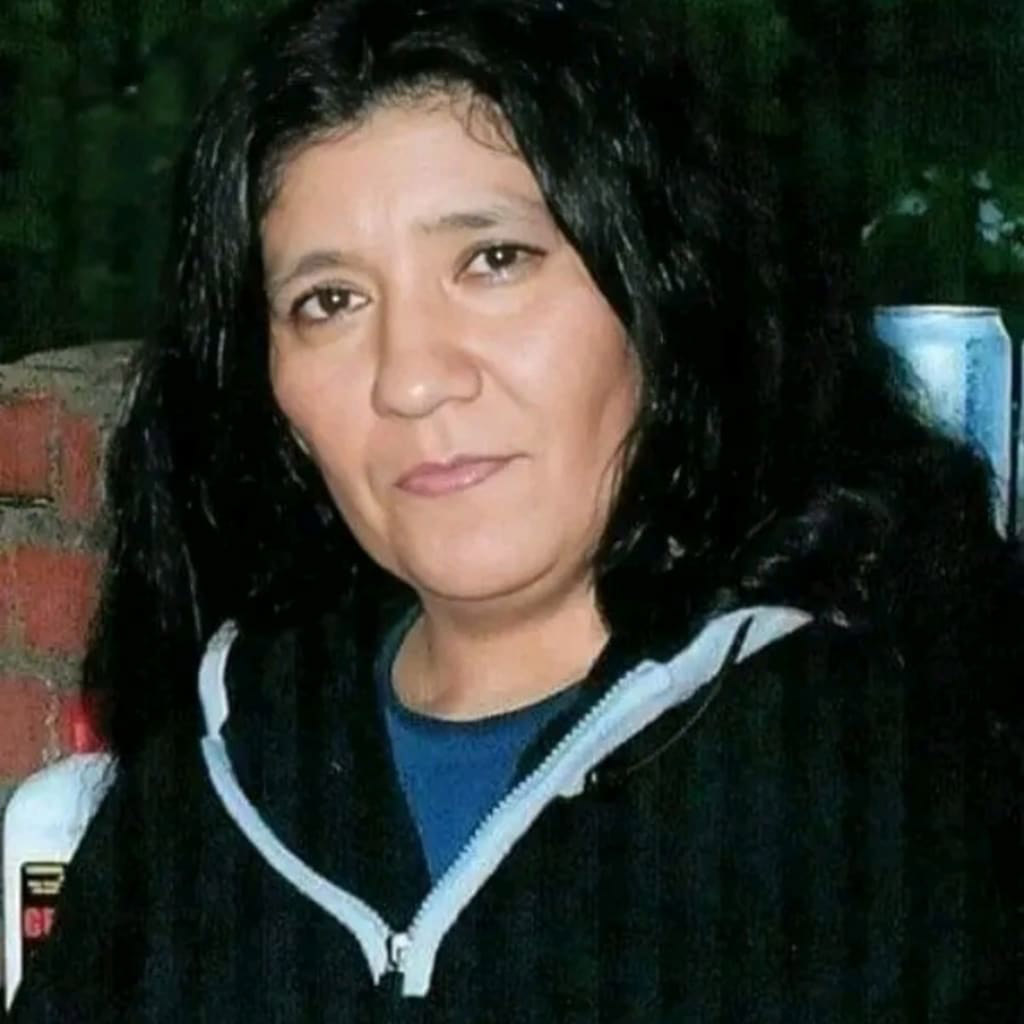
Beverly Ann Ozuna-Ulrich had endured a life of significant hardships prior to her disappearance. Growing up in a troubled home with a large family, she was entered into the foster care system at a young age. At the age of 11, the Black Hills Flood of 1972 destroyed her foster home, killing her two brothers and foster father. This tragedy would haunt her for the rest of her life.
In 1974, Ozuna-Ulrich won a school essay contest for her essay on patriotism, focusing on the American flag. Her essay and photo were published in a local newspaper. As an adult, she would go on to make a family of eight children and remain close-knit with her surviving siblings until her disappearance at the age of 42.
14 months prior to the disappearance, she and her then-husband, Stephen Lee Ulrich, would divorce. Care for their eight children was split between the two, with Beverly visiting Stephen often to cook and care for the children. On the evening of Friday, October 17th, 2003, Beverly did just this, arriving at Stephen’s home to spend time with him and the children. According to the public account of events from 2003, Beverly left several hours later via a silver car driven by an unknown individual. She was never seen or heard from again.
This was initially unremarkable to Beverly’s family. Though she usually kept in contact with someone, Ozuna-Ulrich had taken unexpected trips away from home in the past. “You look back then to the availability of cell phones, and all that wasn’t as prevalent as it is now. Communication wasn’t as easy as it is now,” says Fred Lamphere, Sheriff in Butte County since 2002. With this communication gap, Ozuna’s disappearance was not reported to the Belle Fourche Police Department for ten days following the initial incident.
Investigation
Beverly was missing without a solid lead, and the initial 24-hour window, which is often incredibly important with such disappearances, had long since passed.
Police began with searches of the Belle Fourche area, concentrating on the banks of the rivers which run through the town, and fields to the northwest of the city. “we’ve got a lot of areas that could have a lot of cattails – on the right year, it’s pretty rugged down around some of these creek beds that flow through and alongside our town,” said Sheriff Lamphere, who recalls the early mixed involvement of the South Dakota Department of Criminal Investigations, Sheriff’s Department, and local police, a collaboration which would continue throughout the case. “we got cadaver dogs and we started looking, we started looking at the family, you know, what could have happened,” explained Lamphere, “We looked for associates that had access to different property adjacent to the town, so we did a pretty good canvas with grid searches on foot”.
A month later, police stated that they still had no lead on Beverly’s whereabouts. No timeline could be constructed; however, early interviews by police suggested that she may have been in Spearfish with a friend earlier that day. Beverly’s sister, Rose Grusing, began putting up flyers calling on individuals with information about her sister’s disappearance to come forward. Her goal? Bring her sister home, and keep the case in the public eye after it was, it seems, not covered in significant detail by local press at the time.
In November, Grusing voiced her frustration with a lack of information from DCI and Law Enforcement on the case, where she voiced her worries surrounding the case. “I’d like to think positive, but it sure gets scary after a while. My sister wouldn’t just take off”.
In January of 2004, Grusing held a candlelight vigil for her missing sister on what should have been her 43rd birthday, and this observance would continue yearly. In a later interview in 2020, Grusing would state that she had considered moving on and beginning a new life beyond Belle Fourche; however, she never has, saying, “I can’t leave her, I’d be abandoning her”.
In February 2004, a woman’s body was found on the roadside of I-90. Belle Fourche Police were quickly alerted to it; however, DNA testing revealed no link to Beverly, and the body has never been publicly named by police. In 2008, a tip given to police resulted in several additional canine searches of the local area; however, this seems to have given investigators no additional information. In spite of a cash reward for information, nothing seems to have come to investigators in the years immediately following the incident.
In 2009, Assistant Attorney General Rod Oswald stated that the search was continuing outside the public eye, and at the yearly vigil, Grusing spoke to a reporter, voicing that she refused to give up hope on justice for her sister.
In 2013, Sheriff Lamphere confirmed that he did believe Beverly was dead; however further confirmed that the case was ongoing, but leads were scarce. This continued with each subsequent revisit to the case. In 2017, Lamphere allegedly stated in an interview that there was a person of interest identified in a local “transient” homeless individual; however, this seems to have not been strong enough evidence to warrant the arrest of the unnamed individual. “Some of the possible witnesses, even what [sic] we felt at the time could be possible suspects have passed on now. Someone would pass on, and someone would come forth that they shared something with them,” said Lamphere to the Post, who said that what he understands is that much of the investigation on the cold case happened through tips and interviews (though he was unable to go into detail on the recent findings with this case, due to the sensitive nature of the situation).
Reports were on-and-off according to Lamphere; however, he has said that advancement in analysis technology may have played a significant part in recent findings leading up to the arrests of Stephen Lee Ulrich and Max Piekkola on December 1st, who stand accused of First Degree Murder and Accessory To A Felony, respectively.
In a 2022 post dedicated to her sister, Rose Grusing said, “I look at her children and see their heartache.. you took their mom away… what gave you that right? No she wasn’t perfect but no one is.. still didn’t give you the right to take her from us. 19 years of heartache.. 19 years of not having her in my life.. 19 years of my nieces and nephews of not having a mother or her grand children not having their grandma [sic]”.
Beverly Ann Ozuna-Ulrich was 42 when she disappeared in October of 2003. She is just one of the disproportionately high number of Indigenous women who have disappeared in the United States and are presumed dead, oftentimes without a clear route to justice served. With this in mind, however, we should be careful to cast judgements on any individual involved in this issue, as this is an ongoing case.
We should be doubly careful to ensure that Beverly is not simply remembered as a tragic addition to an unimaginably high number of injustices. More than that, she was a living and caring person whose life was filled with troubles, but also love, accomplishments, and close relationships – all of which were taken from the world with her loss.


