
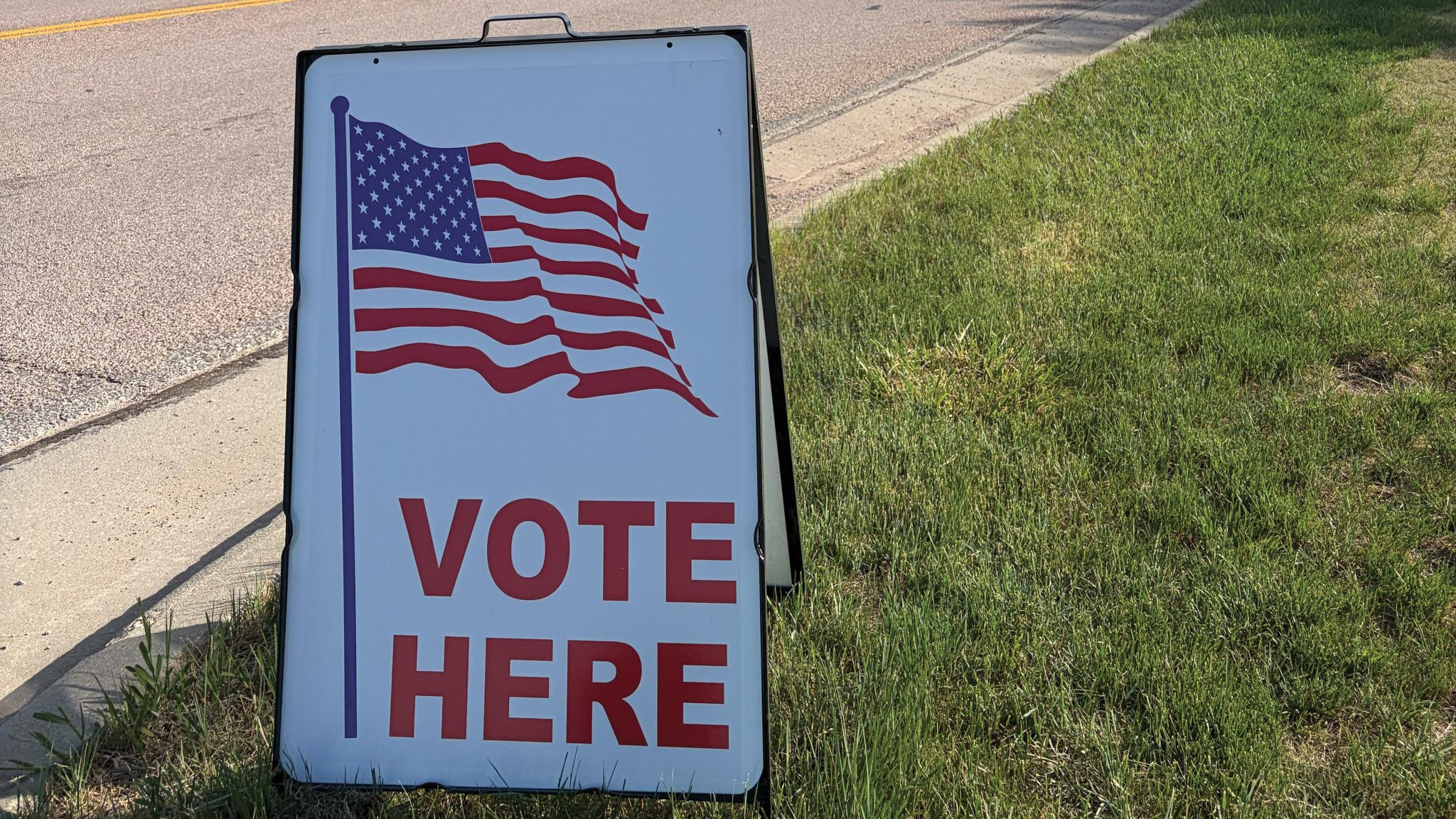
BLACK HILLS, SD — As election season looms, odds are good that you’re hearing about a candidate for the first time. That’s no failing, and happens to the best of us, but coming to the polls to find yourself voting blind doesn’t do anyone any favors.
This article is not a deep-dive into an analysis of every candidate and their policies, and many readers will likely already know all the basics we’re laying out here. However, the following will hopefully act as a jumping-off point for people looking to make conscious political decisions, or who are voting for the first time. Understanding the resources that are available to you is a big part of engaging with being part of the electorate, and is something that is rarely spelled out by anyone, especially as so much information has shifted to electronic databases. With it in one place, we hope to give a general information that can be taken forward into future elections.
What Are We Voting On?
Essential to understanding the upcoming election is this: June 2nd is a primary election, in which candidates vying for office are selected to continue in the running to a later general election on November 3rd. In South Dakota, the overwhelmingly dominant Republican Party conducts closed primaries, meaning that non-republicans will be unable to participate in many areas, but will be able to vote in areas with multiple Democratic or Independent candidates. This has been controversial in the past, but is a practical reality to be aware of.
For nonpolitical ballots (available to all voters) this is, in effect, a general election. Votes cast will determine the individual who will hold the office.
If you are registered to vote, you will have a designated polling place. Early absentee voting begins 46 days before election day in South Dakota, and ends one day prior to election day. To double check polling locations and registration status, use the SD Secretary of State’s Voter Information Portal for individualized info. (vip.sdsos.gov)
Getting A Sample Ballot
After filling out information requested by the Voter Information Portal, you will be brought to a page containing a further list of info. If you are registered to vote you will see a grey box halfway down the page. You will find a blue button listed directly above your designated polling place in this grey box. Click this button, and you will be taken to a separate page where you can view political and nonpolitical ballots.
In many areas, registered democrats and independents may not have a political ballot. This means there is not more than one democrat running in the election. As per SD law, Independents and Libertarians are automatically pushed into the general election, which will occur November 3rd, and is fully open.
Nonpolitical ballots are, in this case, elections dealing with primarily municipal and county positions – Sheriff, County Commissioner, Auditor, Mayor, Alderman, etc. And are varied depending on your registered address.
A full list of SD candidates running in the primary is available here (vip.sdsos.gov/candidatelist) and can be filtered by office and county.
How to Register
The deadline for voting in this election was May 18th at 5:00 p.m.
If you missed this date you’re out of luck, but if you’ve ever had a driver’s license/state ID or filed your taxes there’s a good chance you’re already in the clear, as both include an option to register within their respective forms. If not, a fillable PDF is available on the Secretary of State’s website (sdsos.gov/elections-voting/voting/register-to-vote) and can be submitted to your county auditor at any point prior to the deadline.
On Election Day
After confirming registration and researching the ballot, you should be just about set to go.
The last hurdle is, for most, a thankfully simple one to clear however. South Dakota law requires a photo ID or Affidavit signed under penalty of perjury in lieu of ID. Valid forms of ID include a SD driver’s license, a nondriver ID, US Government ID (such as a Passport), US Armed Forces ID, student ID photo from a high school or accredited higher education institution, or Photo ID.
You will not have to provide more information than this to vote under current law.
Of final note is that campaigning in the vicinity of or within a polling place is considered a misdemeanor in SD (and many other states) meaning you should leave your literature, campaign t-shirts, and petitions at home. This is both to prevent intimidation of voters by political actors and to uphold the intent to have voting be a largely confidential act.


