RAPID CITY, S.D. – Rapid City may be a little behind the curve when it comes to roundabouts but that’s about to change.
City Engineer Roger Hall said several locations have been scouted for roundabouts over the past three or four years and would create safer, more efficient intersections for Rapid City drivers.
“Once you have roundabouts people start loving them,” Hall said. “You know, I sit at a stop light every day and think why am I sitting here when there are no cars? At a roundabout you can’t complain the lights too long because traffic is always moving.”
There are no roundabouts in Rapid City. Box Elder has one on Cheyenne Boulevard and that city has more planned. Ellsworth Air Force Base also has roundabouts.
In Rapid City, possible locations for a roundabout include:
1) Saint Patrick and Elm Street
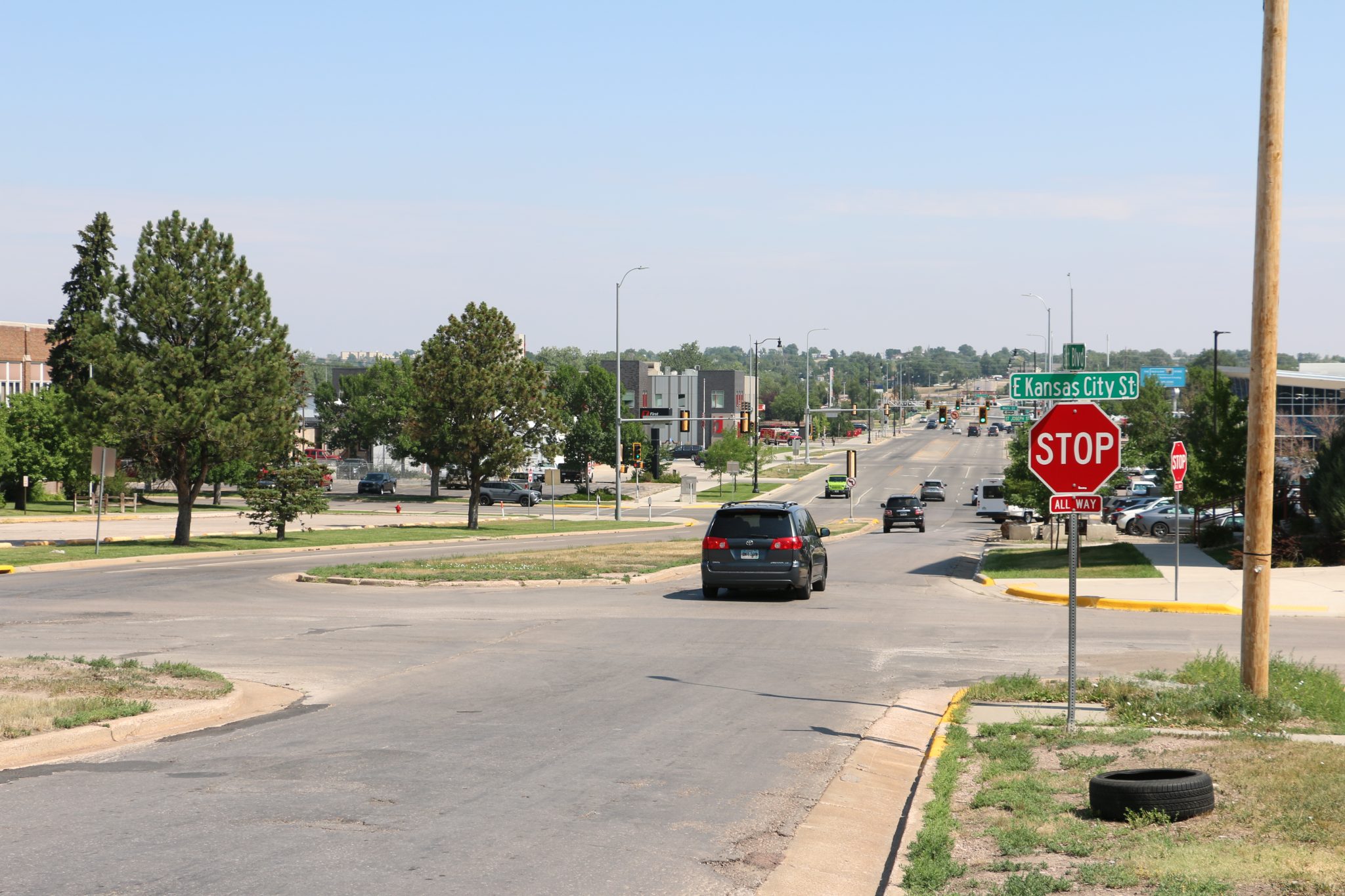
2) Kansas City and East Blvd.
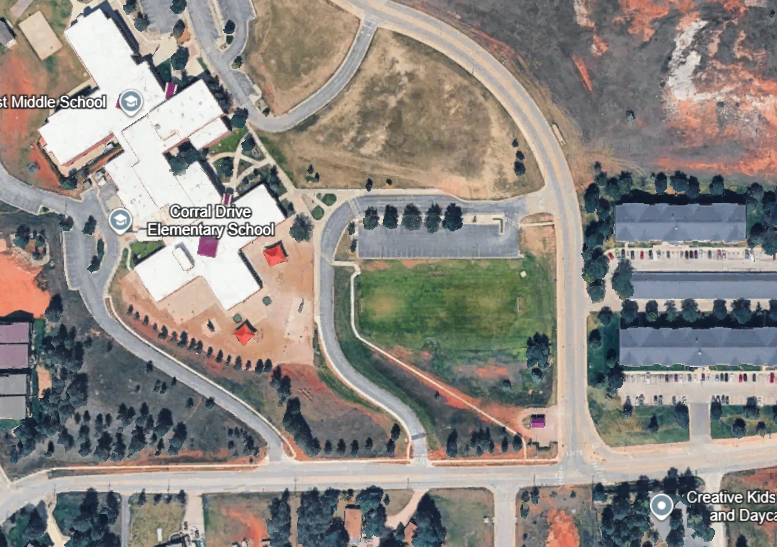
3) Park Drive and Corral Drive
4) East North Street and Cambell
5) Entrance to the sports complex
Park and Corral near Southwest Middle School provides a good study for a roundabout. Hall said when the city reconstructed Sheridan Lake Road, traffic backups shifted from Sheridan Lake Road to the Park/Corral intersection for those short periods of before and after school.
“A signal doesn’t make sense there because we’re talking about 30 minutes an hour out of the 24 in a day,” City Traffic Engineer Matt Layman said. “What does make sense is a roundabout, because it allows that constant movement of traffic.”
The St. Patrick and Elm Street roundabout proposal is the furthest along and the city has applied for a Safe Streets for All grant to help fund the project. Hall said under consideration is taking St. Patrick from Fifth Street to Elm down to one lane each way with a center turn lane and parking on both sides and installing a roundabout at the intersection that is, now, a four-way stop.
Kansas City and East Boulevard is also being eyed for a roundabout. Hall said Americans with Disabilities Act (ADA) improvements are scheduled for the intersection and engineers determined a roundabout would be a good fit for that intersection.
Design for the project could happen in 2026 with construction as early as next year.
“We have lots of benefits (of roundabouts),” Layman said. “But one of the big ones operationally is there is not that continued operation cost as there would be with a signal… there are a lot of manhours into maintaining signal operations.”
After the initial construction, signal intersections cost about $8,000 to $10,000 a year to operate. Roundabout construction, depending on the size, would run about $1 million or more.
Roundabouts average diameter can be up to 160 feet so they don’t work on every intersection – some are too busy and would require too much land or the land isn’t right. In Rapid City, engineers study the land available and traffic numbers before making roundabout recommendations.
The benefits of a roundabout, however, according to the engineers, are substantial and wide-ranging. They increase pedestrian safety providing shorter distances pedestrians have to cope with traffic while crossing an intersection. The less delay time means less idle time and therefore less fuel costs for the driver so there’s a real-life cost benefit. Chief among them is safety – Hall said roundabout reduce serious crashes by about 80 percent.
“They’re kind of a self-balancing intersection,” Hall said. “If you have a lot of traffic coming from this direction at a certain time of day they go and if it switches throughout the day, whichever side is heaviest during the day they keep moving.”
As they will be new to Rapid City drivers, education will precede any roundabout projects.
“I’d like to have one in the ground by next year,” Hall said. “…Right now, I don’t see a reason why we won’t.”