
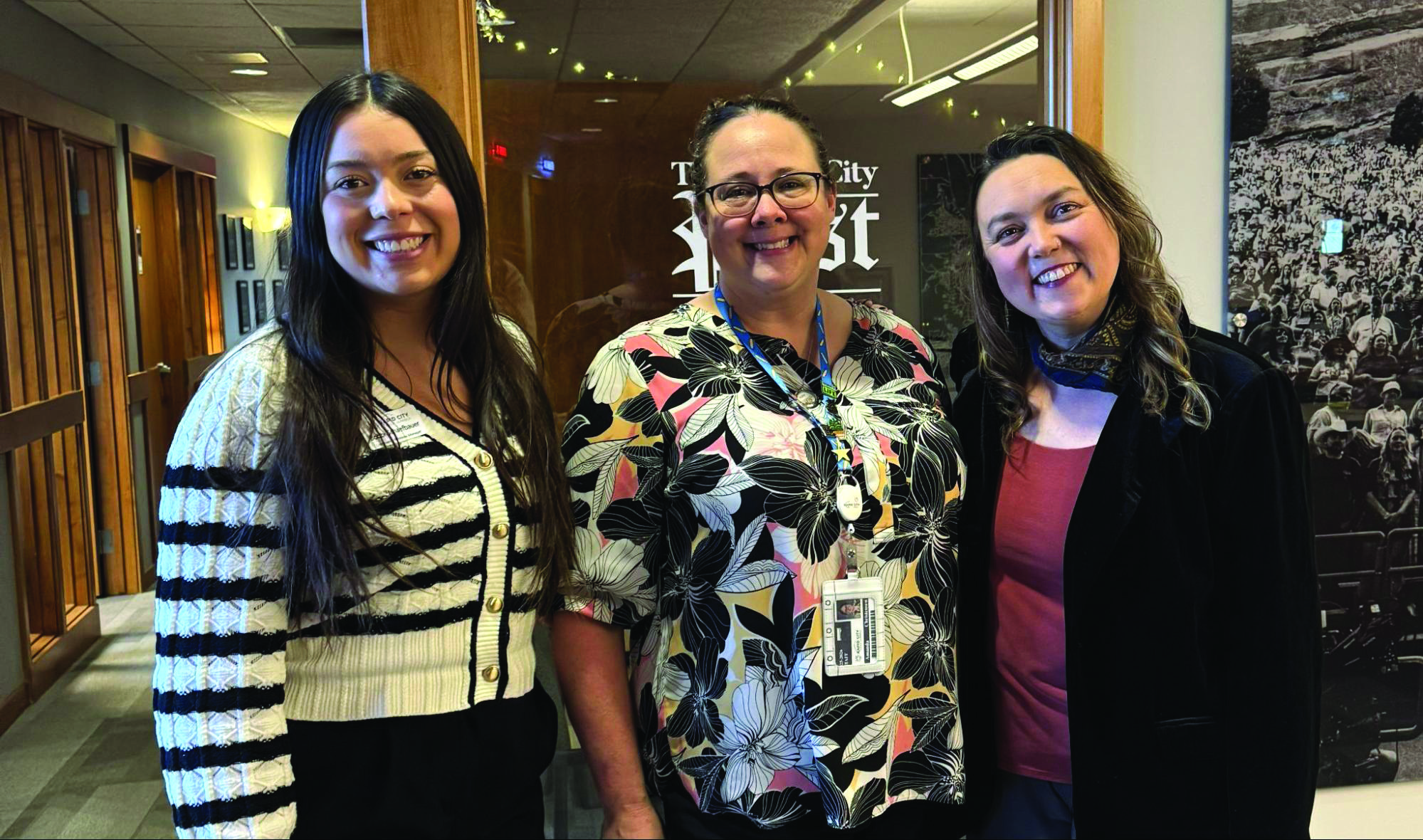
Listen to the full interview on the the Public School Podcast
RAPID CITY, S.D. – Special education services in Rapid City Area Schools extend far beyond paperwork and compliance, focusing on student growth, family support, and long term success, according to district program specialist Amanda Christensen.
Christensen, who works as a special education program specialist, supports teachers and administrators across multiple schools, assisting with compliance, family meetings, and student planning. She described her role as a resource for navigating the complexities of special education.
“I consider myself kind of the special education help desk,” Christensen said. “If there’s a question about compliance, documentation, or a student situation, that’s where I step in.”
Christensen said special education work requires constant decision making and emotional investment, often extending well beyond the school day.
“You’re always on,” she said. “You don’t clock out at three forty five. You’re still thinking about students and what they need.”
One area she emphasized was early intervention, noting that identifying and supporting students as early as possible can make a significant difference.
“The earlier the intervention, the better,” Christensen said. “It’s when their brains are developing and learning happens fastest. Early support can help shape skills and expectations for both students and families.”
She encouraged families with concerns about development or learning to reach out to the district early, whether through pediatric referrals, Birth to Three programs, or by contacting the Jefferson office directly.
Christensen also addressed common misconceptions about special education, particularly the idea that schools are not doing enough to meet student needs.
“I have yet to meet anyone in this district who doesn’t have students’ best interests at heart,” she said. “People are working incredibly hard every day to do what’s right for kids.”
She acknowledged that staffing shortages, especially in special education, present ongoing challenges but said commitment remains strong across the district.
Christensen also spoke about the emotional weight of individualized education plan meetings, especially for families.
“For us, it might be the third IEP of the day,” she said. “For parents, it’s their only one that year. That perspective matters.”
She said building trust and leading with empathy helps ease difficult conversations.
“We have to remember we’re all human,” Christensen said. “Starting with something positive makes a difference.”
Despite the challenges, Christensen said student resilience keeps her motivated.
“Kids are incredibly resilient,” she said. “They want connection. They want your time. That stays with you.”


